Pressure & Point Therapy
Acupressure
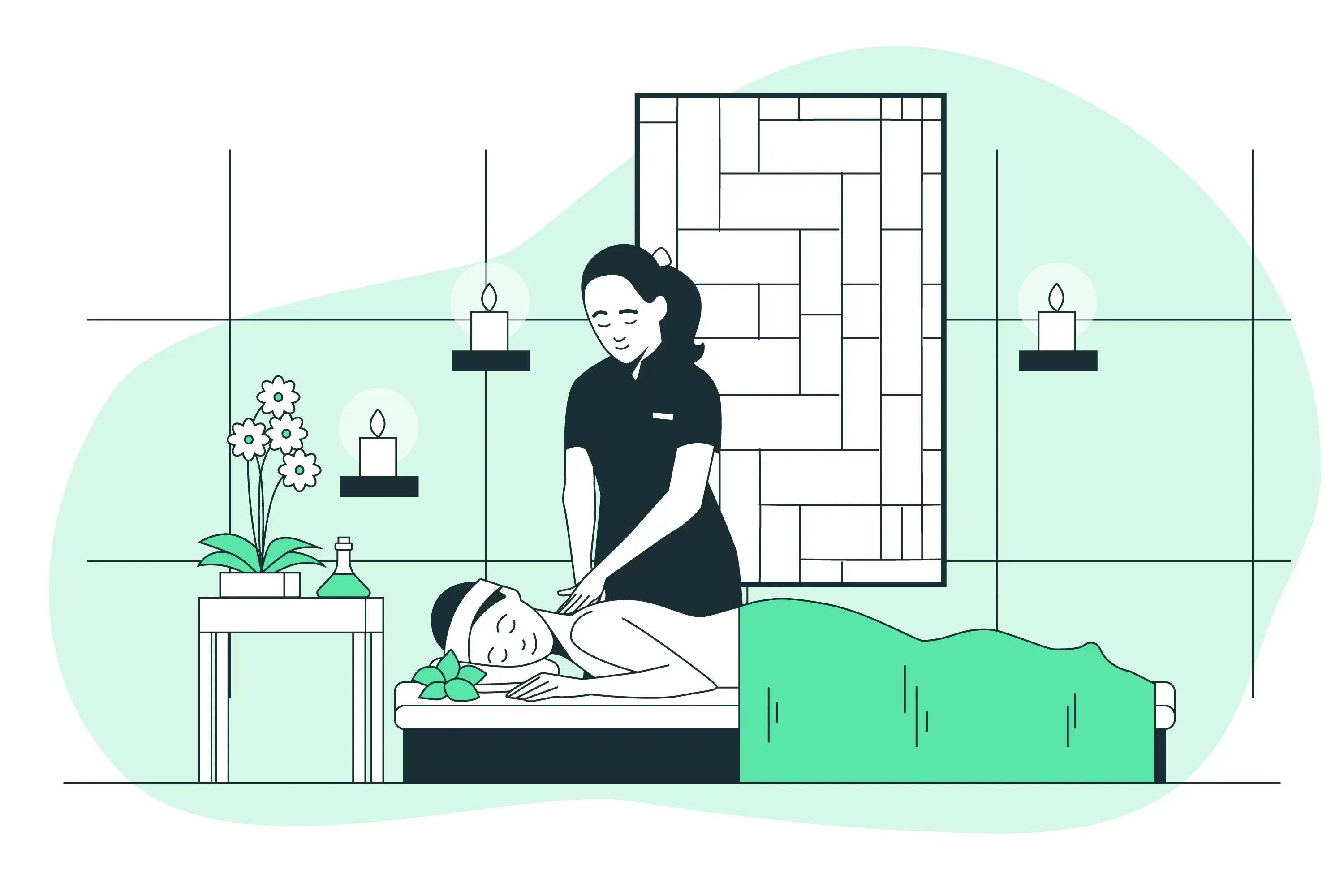
Acupressure uses firm, targeted finger pressure on specific points of the body to ease pain, calm stress, and restore healthy energy flow — the benefits of acupuncture, without needles.
- Session length
- 30–45 min
- Typical course
- 6–10 typical
- Intensity
- Moderate
- Suitable for
- Safe for most ages; also easy to learn for gentle self-care at home
How it helps
- Relieves pain naturally, without needles or medication
- Reduces stress and promotes deep relaxation
- Improves blood circulation
- Rebalances the body's energy flow
- Supports the body's own healing response
Often chosen for
Tap a condition to see the full condition guide.
What is Acupressure?
Acupressure is a natural healing technique in which pressure is applied to specific points on the body — known as acupoints — to relieve pain, reduce stress, and support overall well-being. It rests on the same principles as acupuncture, but instead of needles it uses fingers, thumbs, or simple tools to stimulate each point.
That makes it one of the most approachable therapies we offer: nothing pierces the skin, nothing needs to be swallowed, and the pressure itself is firm but comfortable.
How it works
Acupressure comes from Traditional Chinese Medicine, which describes a vital energy called Qi (pronounced "chee") flowing through the body along invisible channels called meridians. When that flow is blocked or imbalanced, the result can be pain, stress, or illness. Applying sustained pressure to the right points helps clear those blockages, easing tension in the tissue and improving circulation at the same time.
Techniques you may experience
Within a KiLiK session, acupressure takes several forms. Classic manual finger pressure — steady fingertip or thumb work on individual points — is the foundation. Your therapist may also draw on Shiatsu, the Japanese style that combines rhythmic finger and palm pressure with stretching, or Tui Na, the Chinese therapeutic massage that blends kneading, rolling, and pressing for muscle and joint pain. Auricular acupressure focuses on points on the ear that correspond to different organs, and spiky mats or rollers can stimulate many points at once — a technique you can easily continue at home for back, neck, and foot relief.
What a session looks like
- 1
Locating the acupoints
Your therapist identifies the specific acupoints relevant to your condition — points along the body's meridians where energy flow can become blocked.
- 2
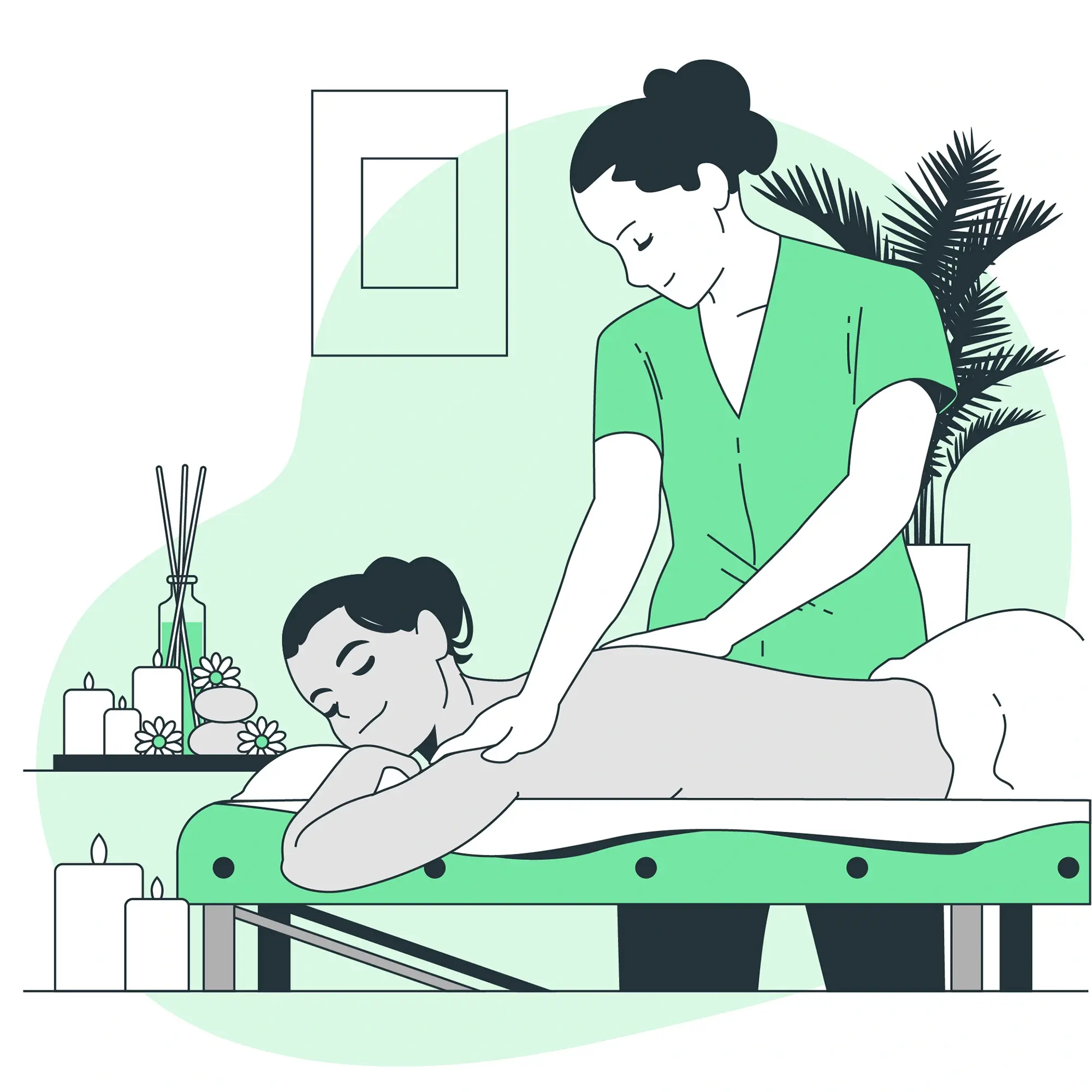
Applying steady pressure
Using fingertips, thumbs, or simple tools, the therapist applies firm, steady pressure to each point, holding it to release tension and stimulate circulation.
- 3
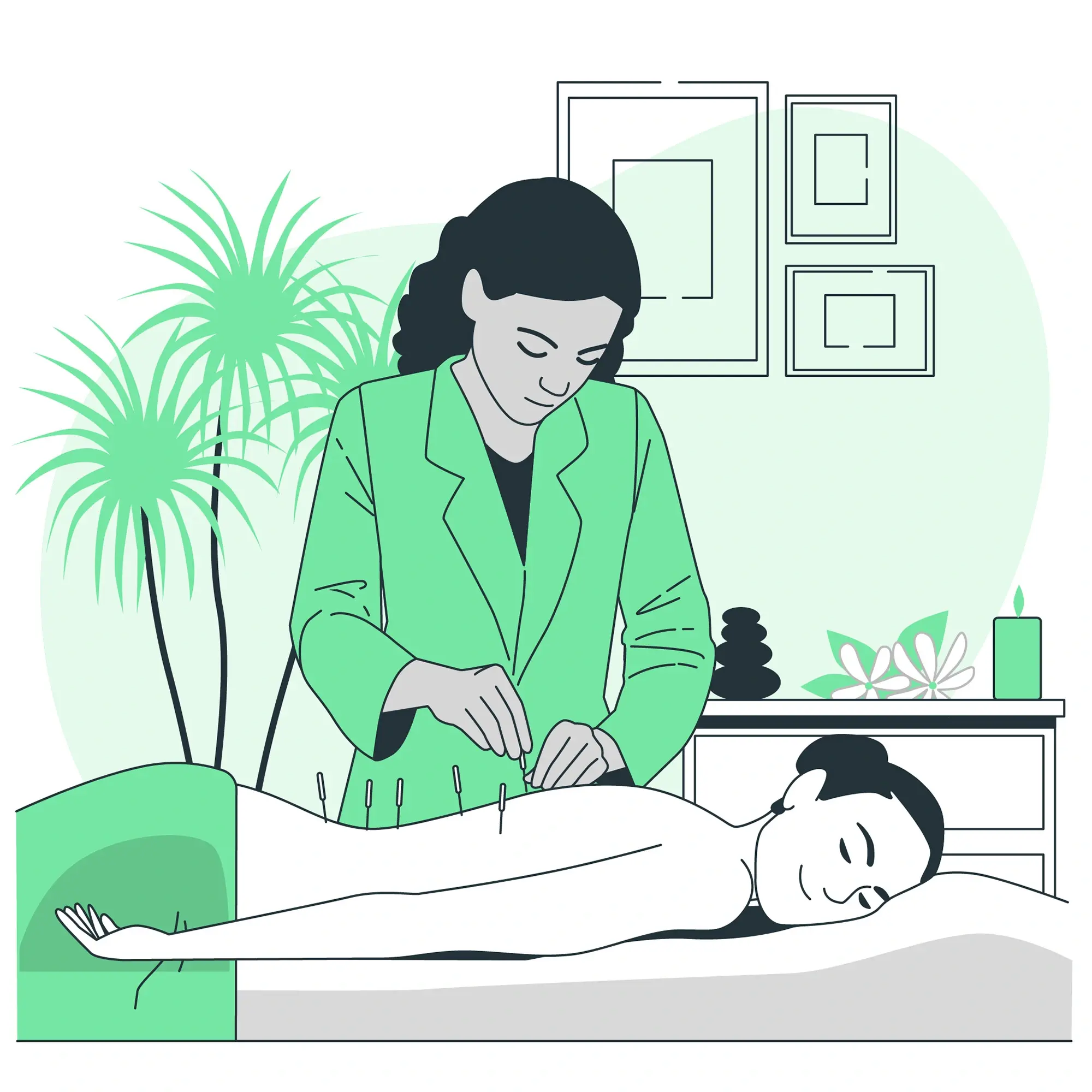
Working point by point
Pressure moves systematically through the points chosen for you, sometimes combined with rhythmic Shiatsu-style palm work or gentle Tui Na kneading.
- 4
Rest and rebalance
The session closes with a few quiet minutes to let the body settle. Many people feel lighter, calmer, and noticeably freer of tension straight away.
Acupressure — common questions
How does pressing certain points affect my body?+−
Pressing on acupoints helps release tension, improve blood flow, and rebalance energy. This can relieve pain, reduce stress, and boost your body's natural healing response.
Can I do acupressure on myself?+−
Yes. Acupressure is safe for self-care — apply gentle, steady pressure to specific points for one to two minutes. It's simple, natural, and can be done anywhere.
How fast does acupressure work?+−
Some people feel relief immediately, especially for headaches or nausea. Chronic conditions usually improve gradually with regular sessions over time.
Related therapies
Pressure & Point Therapy
Reflexology
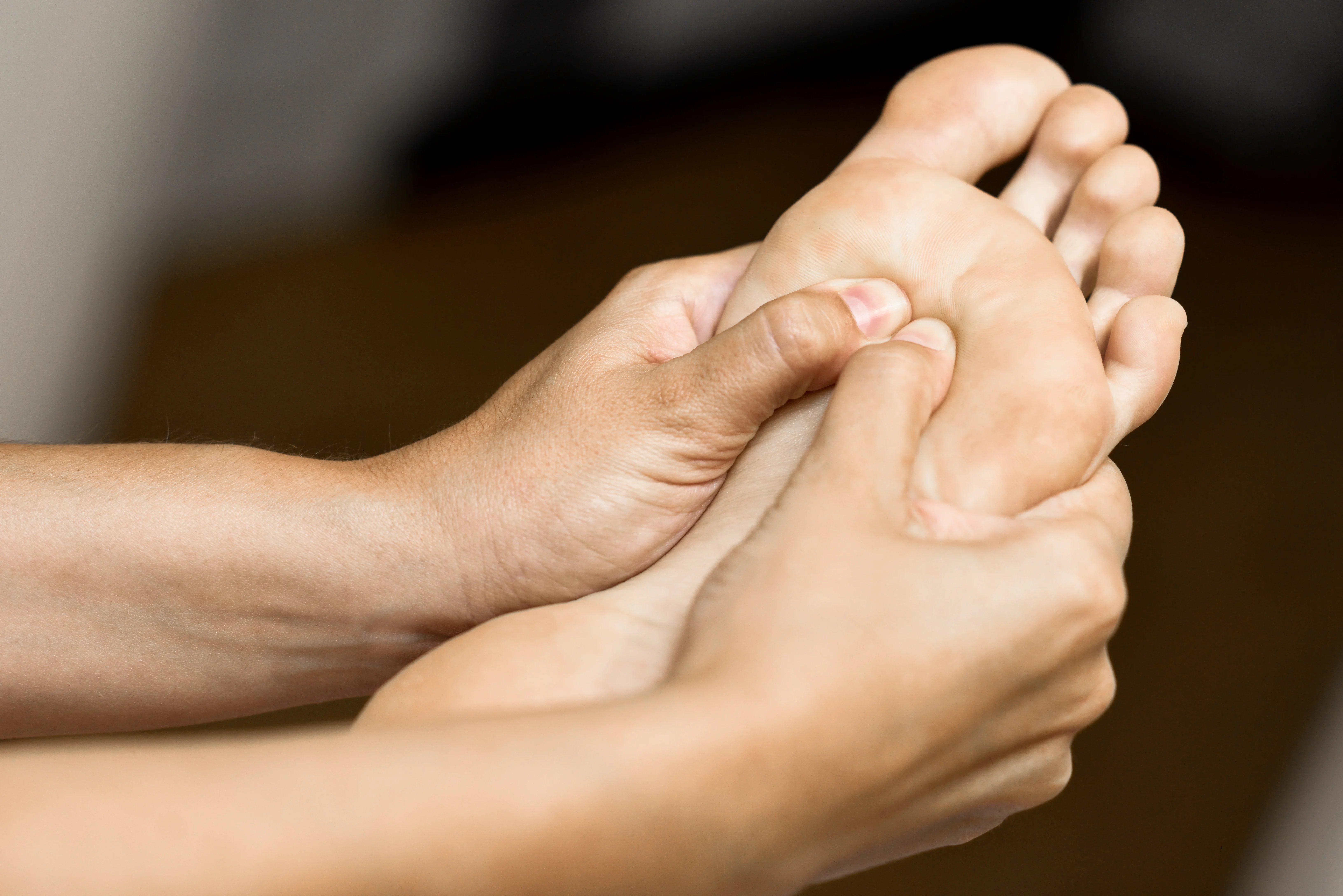
Reflexology applies precise pressure to reflex zones on the feet and hands that correspond to your internal organs, encouraging relaxation, healthy circulation, and balance throughout the whole body.
Explore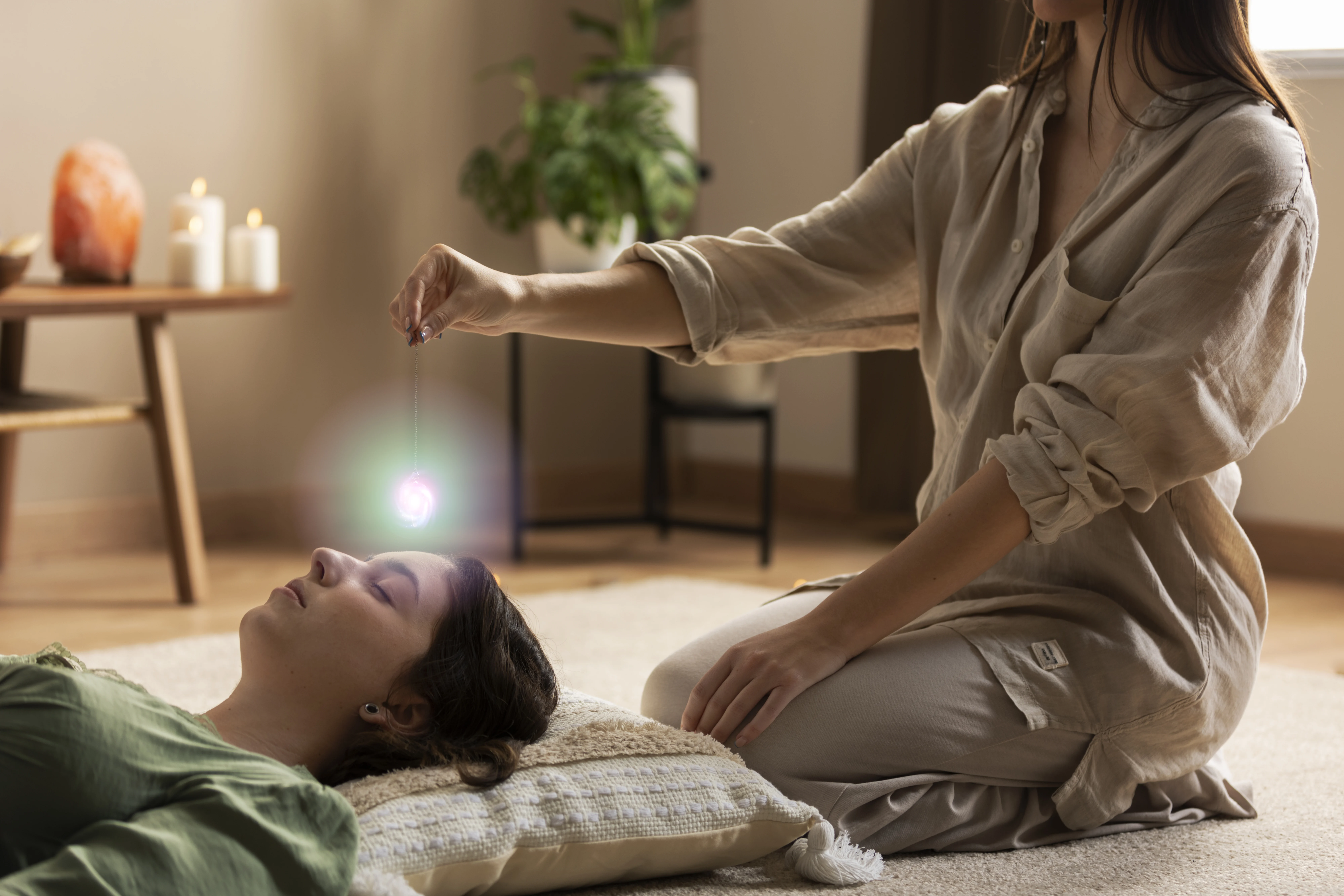
Pressure & Point Therapy
Shiatsu
Shiatsu — Japanese for 'finger pressure' — is a touch-based therapy that uses fingers, thumbs, and palms on the body's energy pathways to melt tension, ease pain, and restore deep calm.
Explore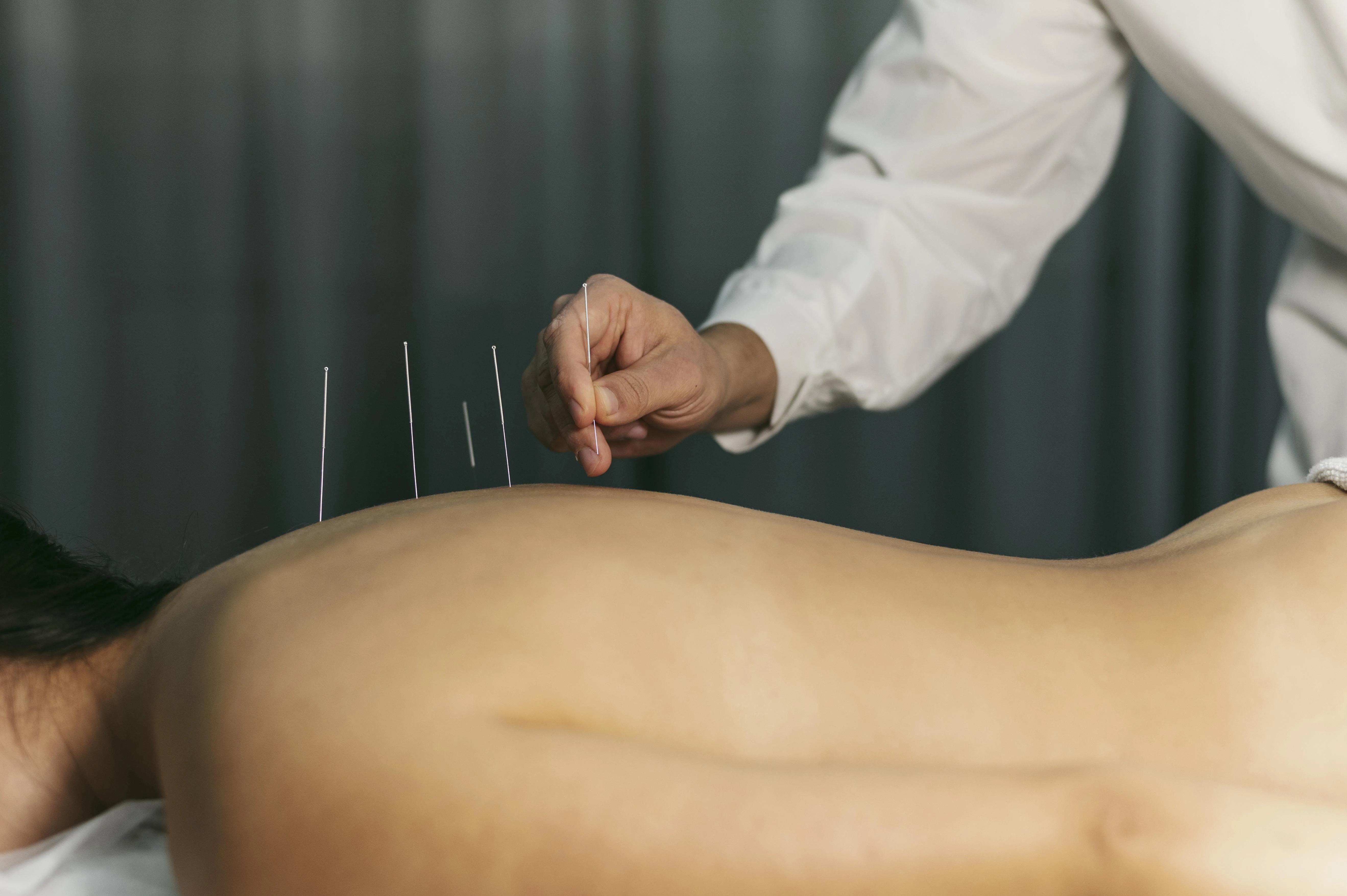
Energy & Traditional
Chinese Meridian Therapy
Rooted in Traditional Chinese Medicine, Chinese Meridian Therapy balances the body's energy pathways — the meridians — to relieve pain and fatigue and restore natural vitality.
ExploreExperience Acupressure at Thangajam Munril
Sessions are held at Thangajam Munril, our multidisciplinary centre in Dindigul, conducted by ALMAYA Coz Raja.