Pressure & Point Therapy
Reflexology
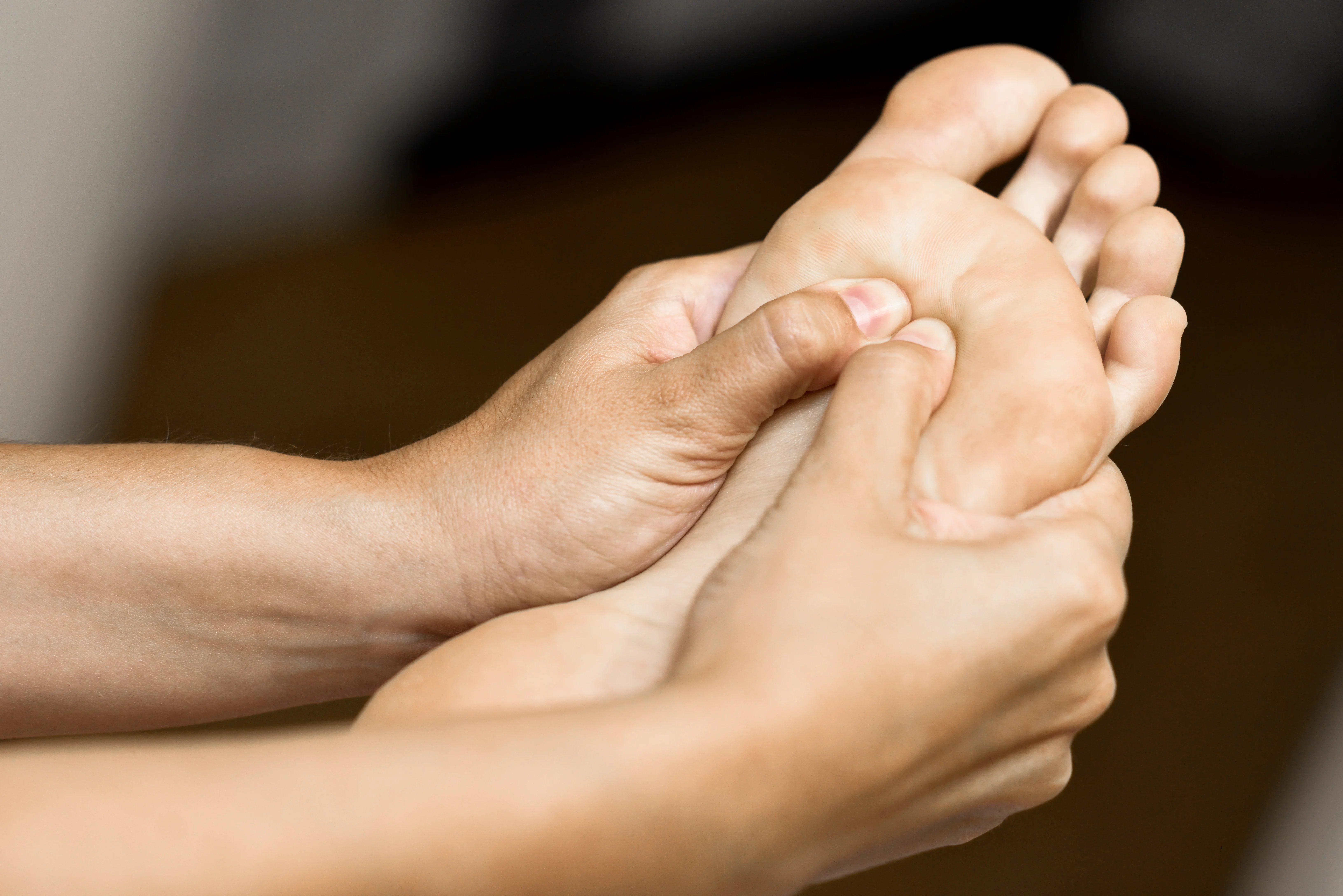
Reflexology applies precise pressure to reflex zones on the feet and hands that correspond to your internal organs, encouraging relaxation, healthy circulation, and balance throughout the whole body.
- Session length
- 30–45 min
- Typical course
- 6–10 typical
- Intensity
- Gentle
- Suitable for
- Almost everyone — deeply relaxing and fully non-invasive
How it helps
- Improves blood circulation and oxygen delivery
- Stimulates nerve endings and reduces pain
- Supports the lymphatic system in clearing toxins
- Relaxes muscles and eases fatigue
- Helps regulate sleep, appetite, and mood rhythms
- Promotes harmony between mind and body
Often chosen for
Tap a condition to see the full condition guide.
What is Reflexology?
Reflexology is a natural healing method built on a simple idea: the feet and hands carry a map of the whole body. Specific reflex zones on the soles, toes, and palms correspond to internal organs, glands, and body parts. By applying precise, comfortable pressure to those zones, a therapist can influence the connected areas and encourage the body back toward balance.
It is closely related to acupressure and Traditional Chinese Medicine, sharing the same goal of clearing blocked energy channels so that Qi flows freely — but its focus on the feet and hands makes it uniquely soothing and accessible.
How it supports physical health
On the physical side, reflexology improves blood circulation, ensuring better oxygen and nutrient delivery to tissues throughout the body. Working the reflex points stimulates nerve endings, sharpening body awareness and reducing pain, while also giving the lymphatic system a boost that helps eliminate toxins. Tired, tense muscles let go, and the accumulated fatigue of the day drains away.
How it supports energy balance
Reflexology also works on a subtler level. Clearing blocked energy channels promotes harmony between mind, body, and spirit, and many clients find it helps regulate the body's natural rhythms — sleep comes more easily, appetite steadies, and emotions feel more even. It is this combination of physical relief and quiet inner rebalancing that makes reflexology one of the most loved therapies in the KiLiK approach.
What a session looks like
- 1
Mapping the reflex zones
Using a reflexology chart of the feet or hands, the therapist locates the pressure points that correspond to the organs and body areas needing support — the toe tips for headaches, for example, or the arch of the foot for digestion.
- 2
Gentle, focused pressure
With thumb and fingers, each point is pressed and held, using firm but comfortable pressure in circular or pulsing motions.
- 3
Breathing and repetition
Each area is worked for thirty seconds to two minutes while you relax and breathe slowly, letting the nervous system settle.
- 4
Balancing both sides
Both feet (or both hands) are always treated, because the body's systems are mirrored on each side. Warm towels, oils, or simple massage tools may be used to deepen the effect.
Reflexology — common questions
Does reflexology only help my feet?+−
No — the feet and hands are simply the access points. Each reflex zone corresponds to an organ or body system, so a foot session can support digestion, sleep, breathing, and more.
What does a session feel like?+−
Most people find it deeply relaxing, similar to a focused foot massage. Some points may feel briefly tender where the corresponding area needs attention, but pressure is always kept comfortable.
Can I practise reflexology at home?+−
Yes. With a simple reflexology chart you can press key points on your own feet or hands for a minute or two at a time. Professional sessions go deeper, but home practice between visits helps maintain the benefit.
How many sessions will I need?+−
Many people notice relaxation and better sleep after the first session. For ongoing concerns, a course of six to ten regular sessions is typical.
Related therapies
Pressure & Point Therapy
Zone Therapy
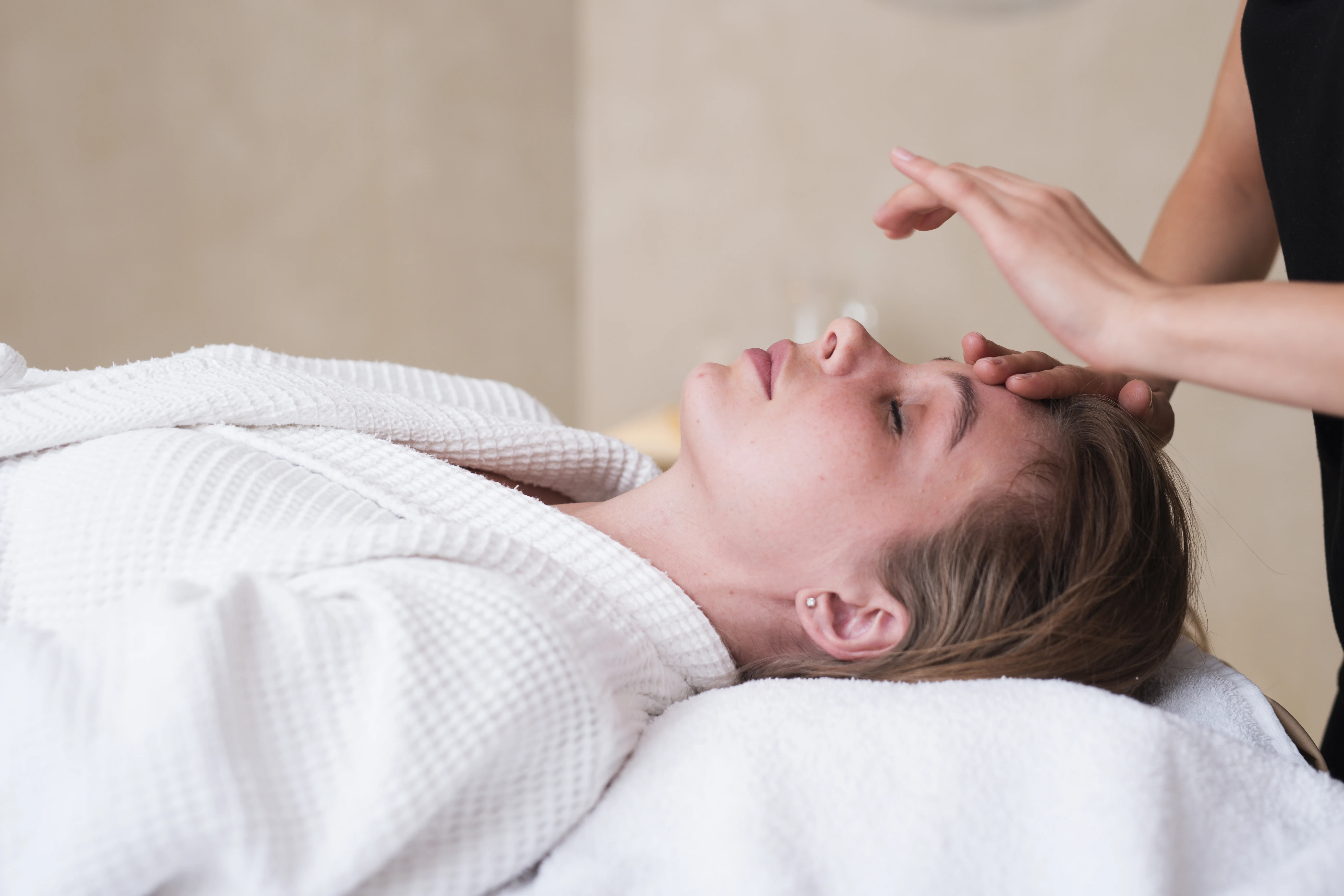
Zone Therapy divides the body into ten vertical zones, each linked to specific organs and glands, and uses targeted stimulation of the hands, feet, and face to restore balance to the areas connected within each zone.
Explore
Pressure & Point Therapy
Acupressure
Acupressure uses firm, targeted finger pressure on specific points of the body to ease pain, calm stress, and restore healthy energy flow — the benefits of acupuncture, without needles.
Explore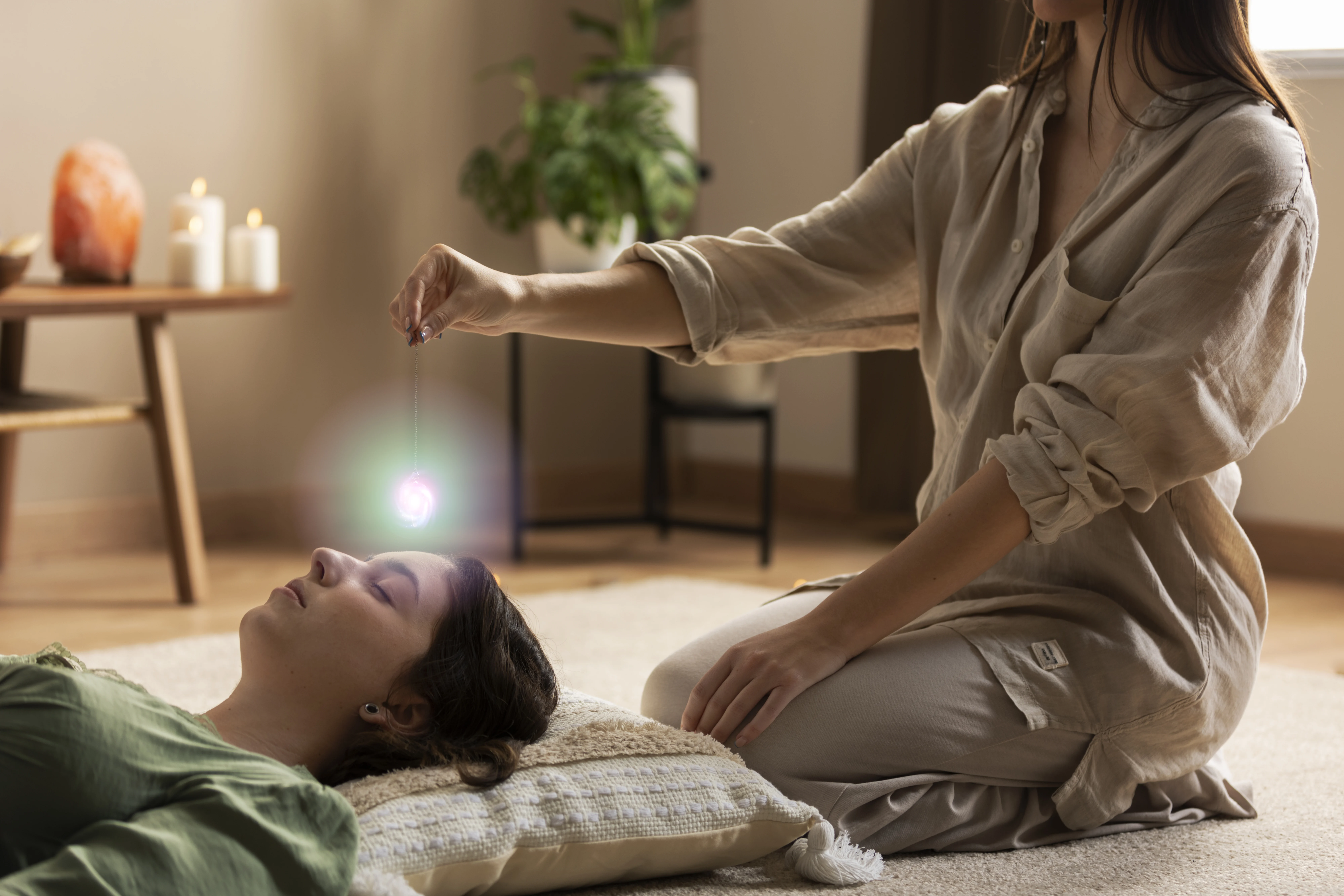
Pressure & Point Therapy
Shiatsu
Shiatsu — Japanese for 'finger pressure' — is a touch-based therapy that uses fingers, thumbs, and palms on the body's energy pathways to melt tension, ease pain, and restore deep calm.
ExploreExperience Reflexology at Thangajam Munril
Sessions are held at Thangajam Munril, our multidisciplinary centre in Dindigul, conducted by ALMAYA Coz Raja.