Movement & Rehabilitation
Pilates Therapy
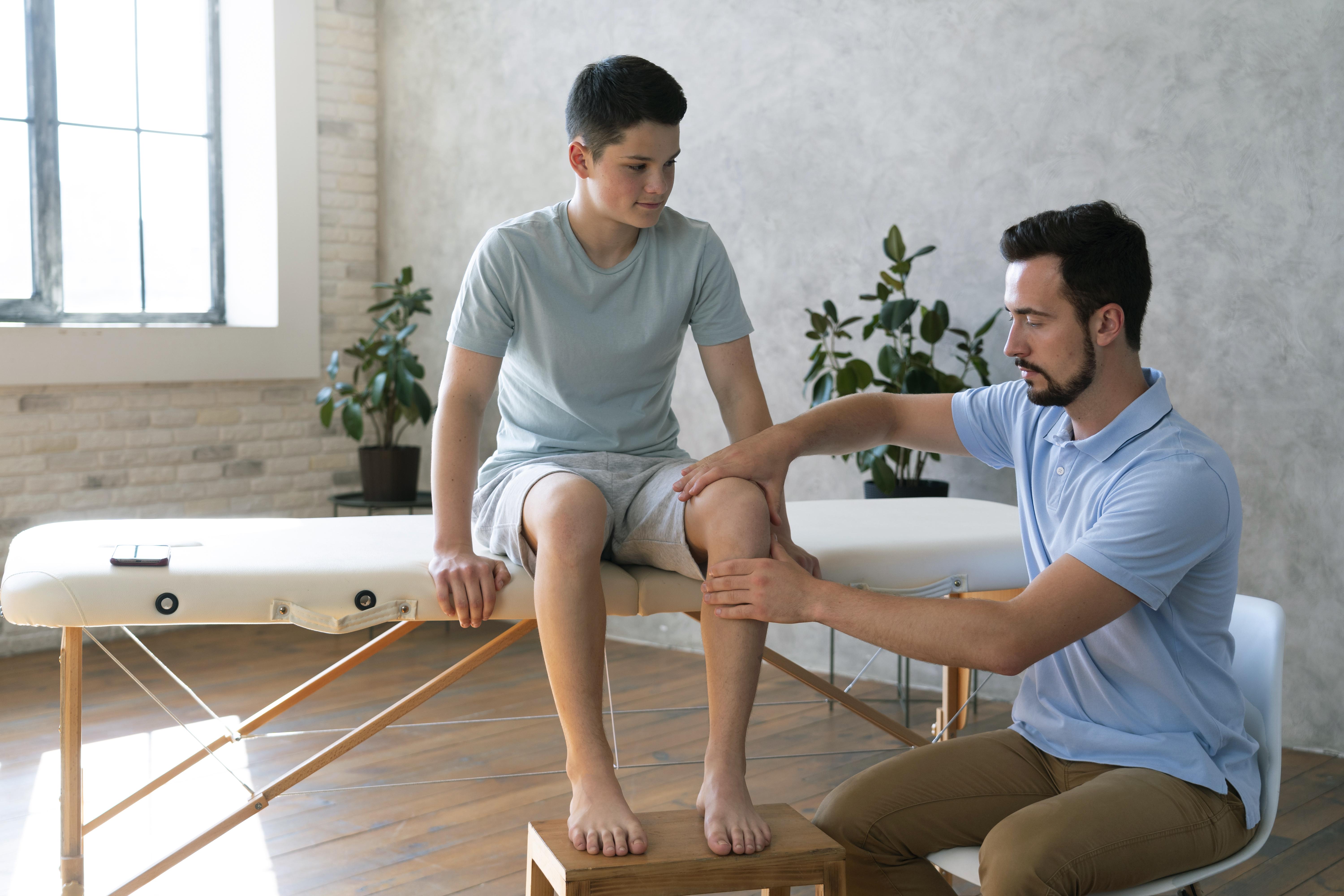
Pilates Therapy builds strength from the centre of the body outward — controlled, low-impact exercises that stabilise the core, improve posture and flexibility, and retrain the way you move.
- Session length
- 30–45 min
- Typical course
- 6–10 typical
- Intensity
- Gentle
- Suitable for
- All fitness levels — exercises scale from gentle rehabilitation to a genuine strength challenge
How it helps
- Strengthens the deep core muscles that support the spine
- Improves posture and body alignment
- Increases flexibility and joint mobility without strain
- Helps ease and prevent lower back pain
- Builds balance, coordination, and body awareness
- Supports recovery after injury with safe, low-impact movement
Often chosen for
Tap a condition to see the full condition guide.
What is Pilates Therapy?
Pilates is a system of controlled, low-impact exercise developed by Joseph Pilates in the early twentieth century — he called it "Contrology," the art of moving with complete control. Pilates Therapy applies that system therapeutically: rather than chasing repetitions or sweat, each exercise is chosen to strengthen the deep muscles that stabilise your spine, correct the alignment habits that cause strain, and restore easy, confident movement.
It is one of the most adaptable therapies we offer. The same principles serve someone easing back from injury, an office worker undoing years of slouching, and an athlete refining performance.
How it works
At the heart of Pilates is the "powerhouse" — the corset of deep abdominal, back, and pelvic-floor muscles around your centre. Modern life lets these stabilisers switch off, leaving the spine poorly supported and the larger surface muscles overworking to compensate; the familiar results are back ache, stiffness, and poor posture. Pilates wakes the stabilisers up. Breathing is trained first, then gentle core engagement, then precise movement sequences built on that stable base. Because every movement is slow and deliberate, joints are never jarred — the challenge comes from control, not impact.
What a session feels like
Sessions take place on a mat, sometimes with small props such as bands or a soft ball. Your therapist guides you through each movement cue by cue — where to breathe, what to engage, how far to move — and adjusts every exercise to your level. The work feels focused rather than exhausting: muscles you rarely notice begin to switch on, and you leave standing taller, moving more freely, and more aware of your own body. With regular practice, that awareness follows you into everything you do.
What a session looks like
- 1
Breath and centring
Every session starts with breathing practice — wide, lateral breaths that engage the deep abdominal muscles and connect breath to movement.
- 2
Activating the core
You learn to gently engage the "powerhouse" — the deep abdominals, back muscles, and pelvic floor — the stable centre from which every Pilates movement flows.
- 3
Controlled movement sequences
Exercises are performed slowly and precisely, on a mat or with simple props, with the emphasis always on control and alignment rather than repetitions or speed.
- 4
Progression and daily carry-over
As control improves, movements become more challenging, and your therapist shows you how the same alignment principles apply to sitting, lifting, and walking in everyday life.
Pilates Therapy — common questions
How does Pilates Therapy work?+−
Pilates strengthens the deep stabilising muscles around the spine and pelvis while training precise, controlled movement. A stronger, better-aligned centre takes load off the back and joints, which is why posture, pain, and everyday movement all tend to improve together.
Do I need to be fit or flexible to start?+−
Not at all. Every exercise has gentler and harder versions, and sessions are matched to your current ability. Flexibility and strength are the result of Pilates, not a requirement for it.
How is Pilates Therapy different from a gym workout?+−
The focus is on control, breath, and alignment rather than lifting heavy or working to exhaustion. Movements are slow, precise, and low-impact, which makes it especially suited to rehabilitation and long-term joint health.
Related therapies
Movement & Rehabilitation
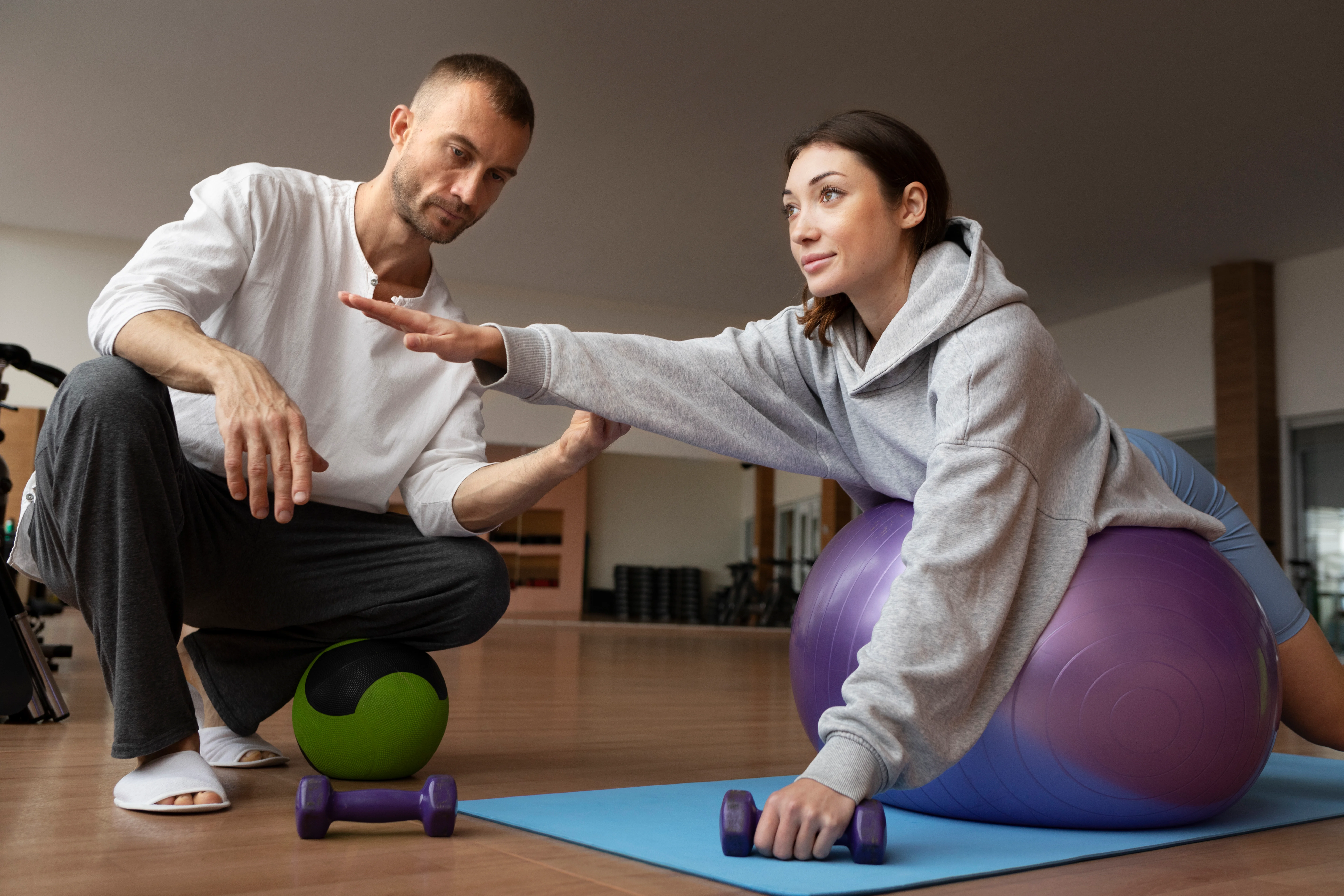
Therapeutic Exercise for Physical Rehabilitation
Therapeutic exercise uses targeted, personalized movement programs to restore strength, mobility, balance, and coordination — helping you recover safely after injury, surgery, or chronic conditions.
Explore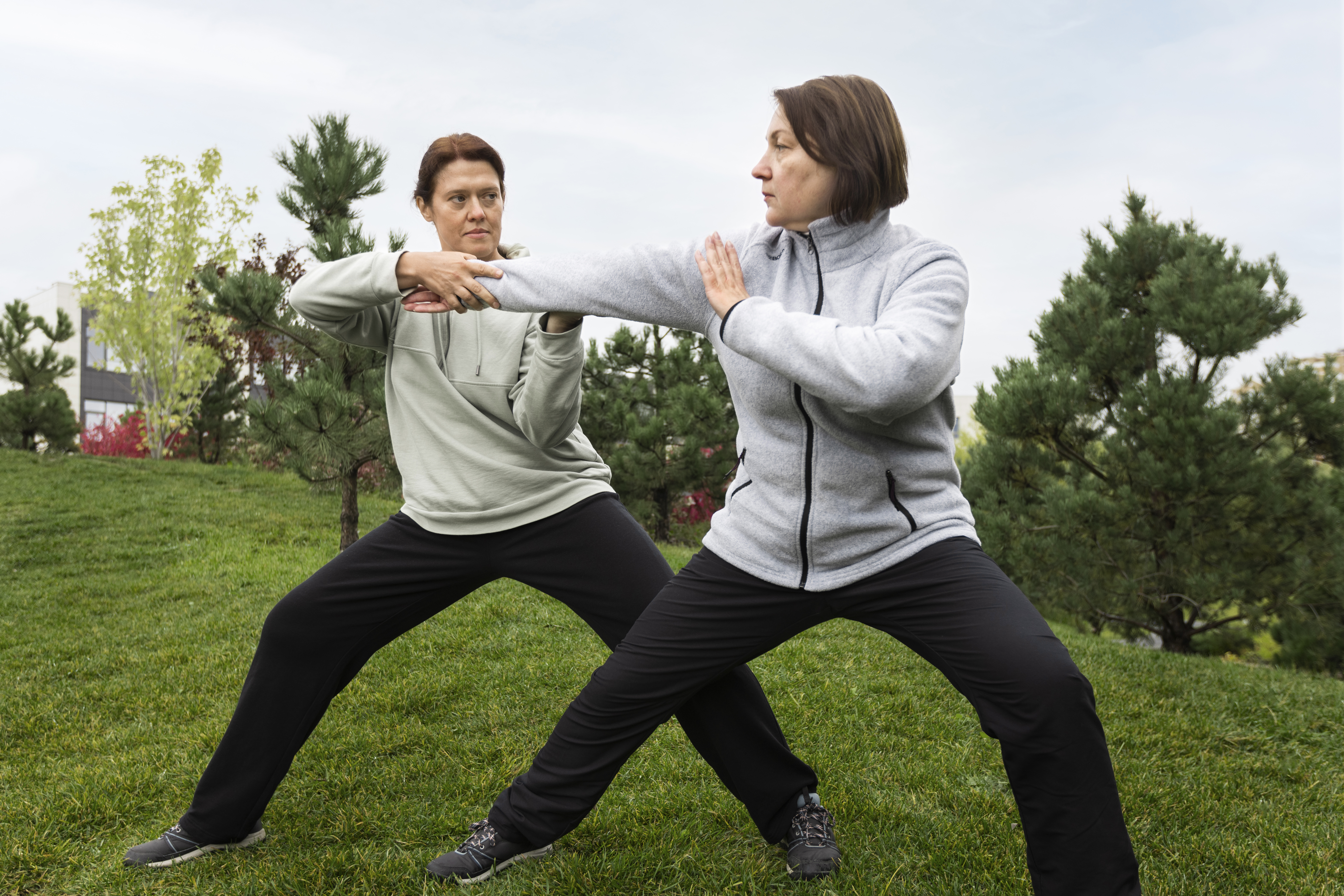
Movement & Rehabilitation
Tai Chi Physical Therapy
Tai Chi Physical Therapy blends the slow, flowing movements of Tai Chi with guided rehabilitation, building balance, joint strength, and calm focus through gentle practice that almost anyone can do.
Explore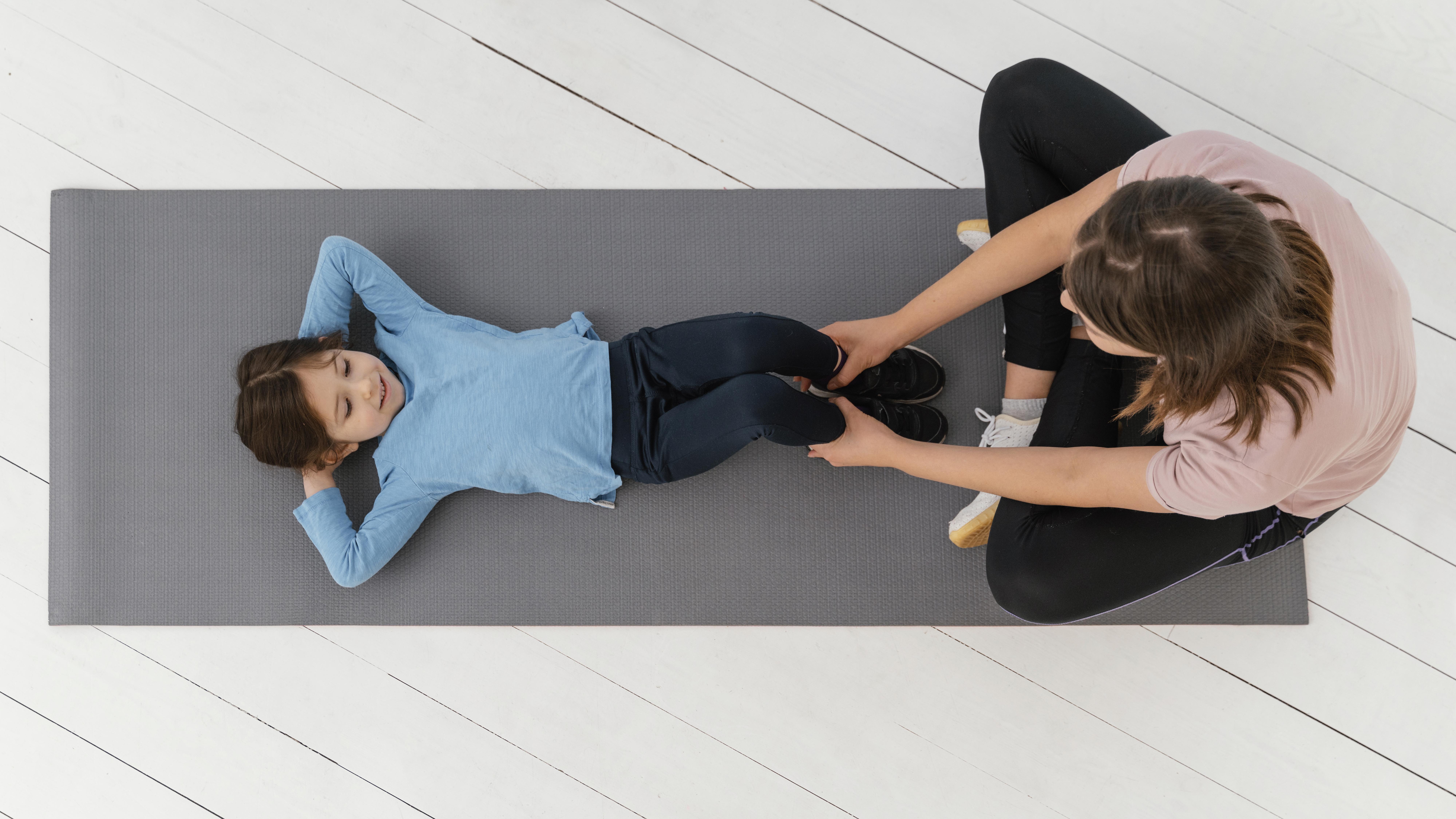
Movement & Rehabilitation
Vojta Therapy
Vojta Therapy uses gentle, precisely placed pressure to awaken the body's inborn movement patterns — reflex locomotion — helping retrain posture, balance, and coordination from the nervous system outward.
ExploreExperience Pilates Therapy at Thangajam Munril
Sessions are held at Thangajam Munril, our multidisciplinary centre in Dindigul, conducted by ALMAYA Coz Raja.