Movement & Rehabilitation
Vojta Therapy
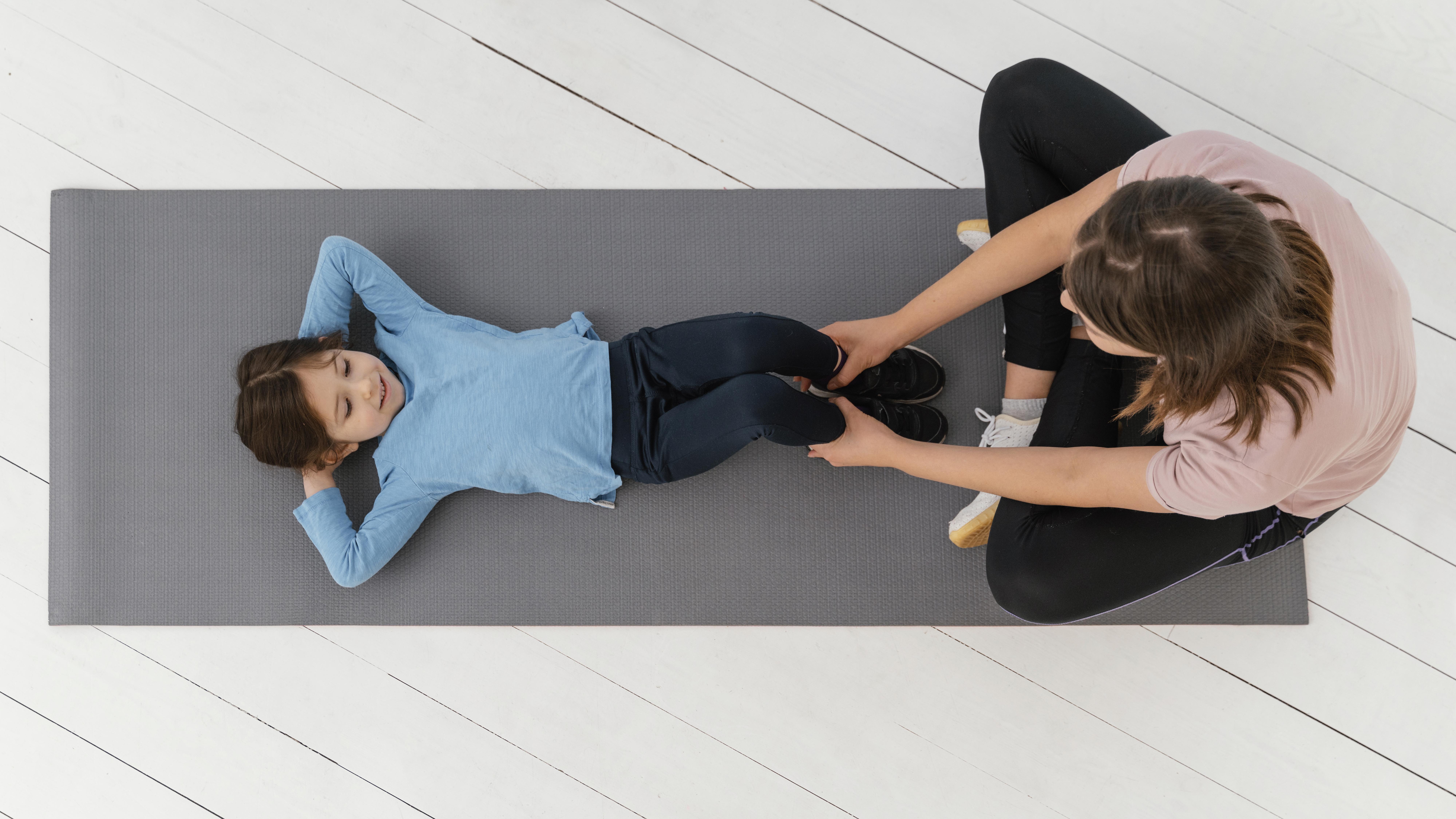
Vojta Therapy uses gentle, precisely placed pressure to awaken the body's inborn movement patterns — reflex locomotion — helping retrain posture, balance, and coordination from the nervous system outward.
- Session length
- 30–45 min
- Typical course
- 6–10 typical
- Intensity
- Gentle
- Suitable for
- Infants, children, and adults with movement, posture, or coordination difficulties
How it helps
- Activates the body's innate, inborn movement patterns
- Improves posture and the way the spine is held and moved
- Strengthens balance and coordination
- Supports better breathing depth and rhythm
- Encourages more natural, economical everyday movement
- Helps the nervous system and muscles work together more smoothly
Often chosen for
Tap a condition to see the full condition guide.
What is Vojta Therapy?
Vojta Therapy is a movement rehabilitation method built on a simple discovery: the healthy patterns of human movement — turning, crawling, standing upright — are already stored in every nervous system. Developed by the neurologist Prof. Václav Vojta, the therapy does not teach or drill exercises. Instead, the therapist places the body in a defined position and applies gentle pressure to specific activation zones, and the body responds by producing those inborn patterns on its own.
Because nothing is forced and nothing needs to be consciously learned, the method works for people who cannot follow instructions — including infants — as well as for adults relearning movement after injury or long-standing postural problems.
How it works
The pressure on an activation zone acts like a key. Held in the right starting position, the nervous system answers with what Vojta called reflex locomotion: coordinated activity of the deep trunk muscles, the limbs, and even the breathing muscles, all in the sequence nature intended. With regular repetition, these activations make the healthy pattern easier for the brain to reach in daily life — posture becomes more upright, steps more even, movements more economical. The therapist is not moving you; your own system is doing the work.
What a session feels like
A session is quiet and unhurried. You lie on a padded table while the therapist positions you and holds steady, light pressure on one or two zones at a time. You will feel muscles engaging deep in the trunk — often ones you did not know you had — and your breathing naturally becoming fuller. Activations last a few minutes each, with rests in between. Many people leave feeling taller and more grounded, and simple home positions are often taught so progress continues between visits.
What a session looks like
- 1
Assessment and positioning
Your therapist first observes how you move and holds you in one of the defined starting positions — lying on the back, side, or stomach — chosen for the pattern being activated.
- 2
Activating the zones
Gentle, sustained pressure is applied to specific activation zones on the trunk, arms, or legs. No force is used — the pressure is a signal, not a manipulation.
- 3
The reflex response
The body answers automatically: deep postural muscles engage, breathing deepens, and coordinated movement patterns such as reflex creeping or reflex rolling appear on their own.
- 4
Repetition and home practice
Short activations are repeated within the session, and caregivers or patients are often taught simple positions so the nervous system is reminded of the pattern regularly between visits.
Vojta Therapy — common questions
How does Vojta Therapy work?+−
Pressing defined activation zones while the body is held in a set position triggers automatic, inborn movement patterns. Repeating these activations helps the brain re-access healthy posture and movement, so everyday actions gradually become easier and better coordinated.
Is Vojta Therapy only for babies?+−
No. It is best known in infant development care, but the same reflex-locomotion principles are used with older children and adults recovering coordination, posture, and movement control.
Does the therapy hurt?+−
No. The pressure applied to the activation zones is light and sustained. What you feel is your own muscles working — a deep, unfamiliar effort rather than pain.
Related therapies
Movement & Rehabilitation
Pediatric Physical Therapy
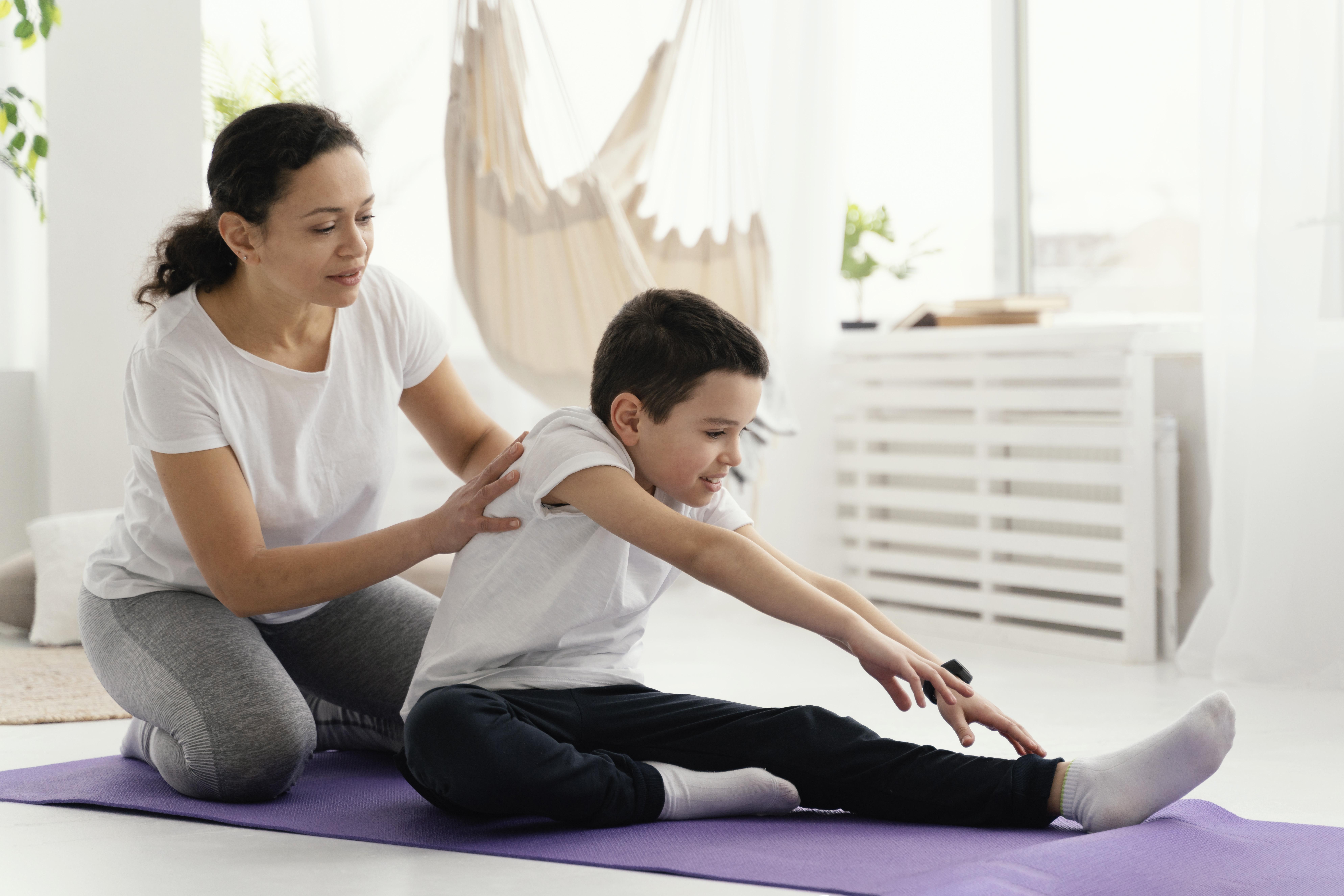
Pediatric Physical Therapy uses play-based movement, gentle hands-on work, and guided exercise to help babies, children, and teens build strength, balance, and confident movement as they grow.
Explore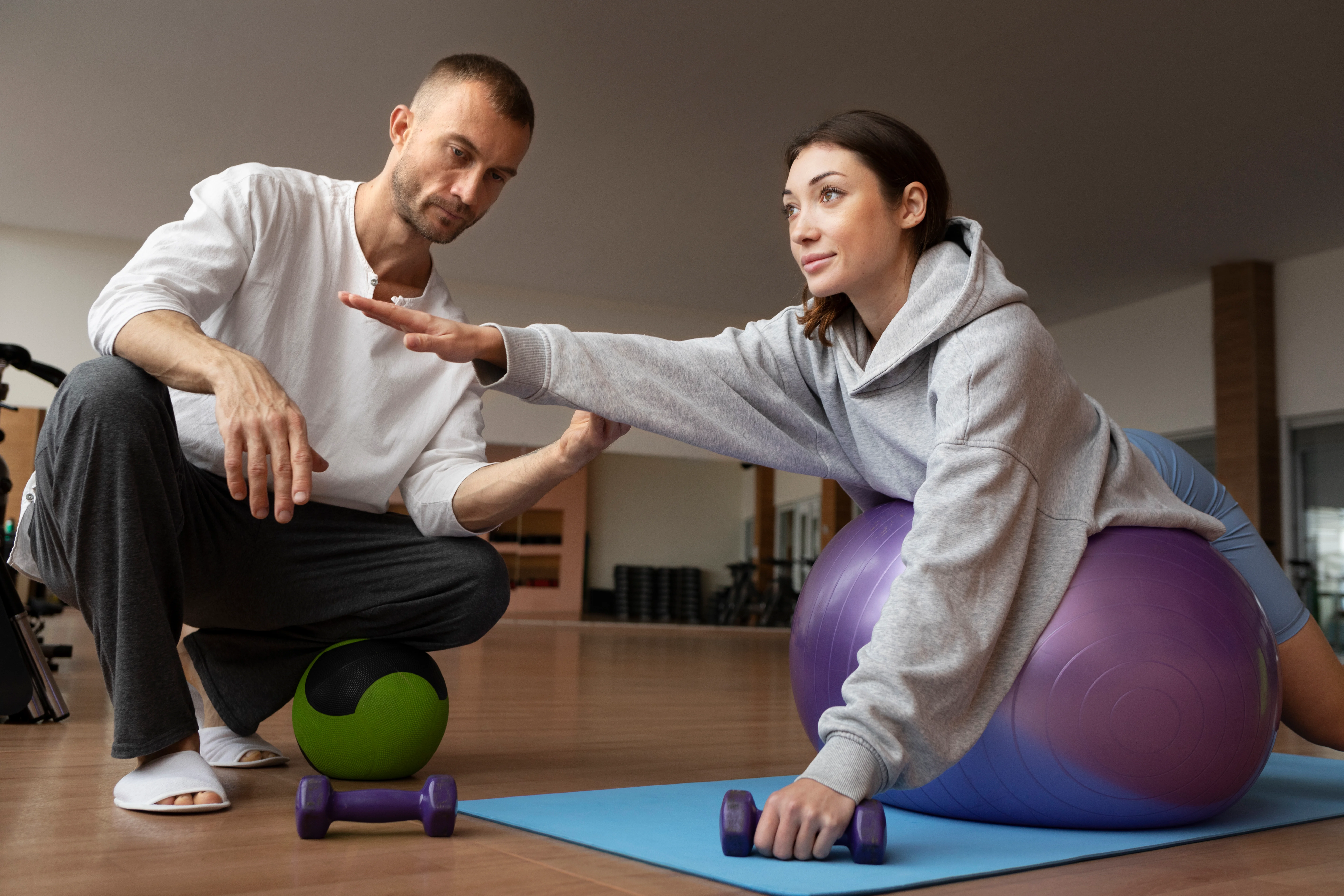
Movement & Rehabilitation
Therapeutic Exercise for Physical Rehabilitation
Therapeutic exercise uses targeted, personalized movement programs to restore strength, mobility, balance, and coordination — helping you recover safely after injury, surgery, or chronic conditions.
Explore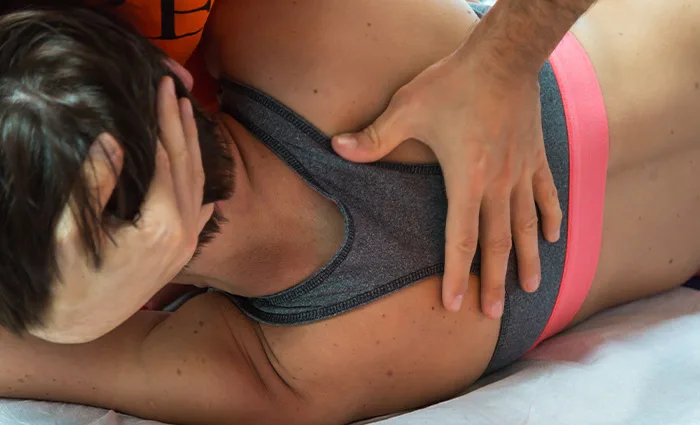
Manual & Structural
Neuro-Muscular Therapy
Neuro-Muscular Therapy is an advanced bodywork technique that releases nerve and muscle tension, restoring healthy communication between the brain, nerves, and muscles to relieve chronic pain and rebalance the body.
ExploreExperience Vojta Therapy at Thangajam Munril
Sessions are held at Thangajam Munril, our multidisciplinary centre in Dindigul, conducted by ALMAYA Coz Raja.