Manual & Structural
Rolfing Structural Integration Therapy
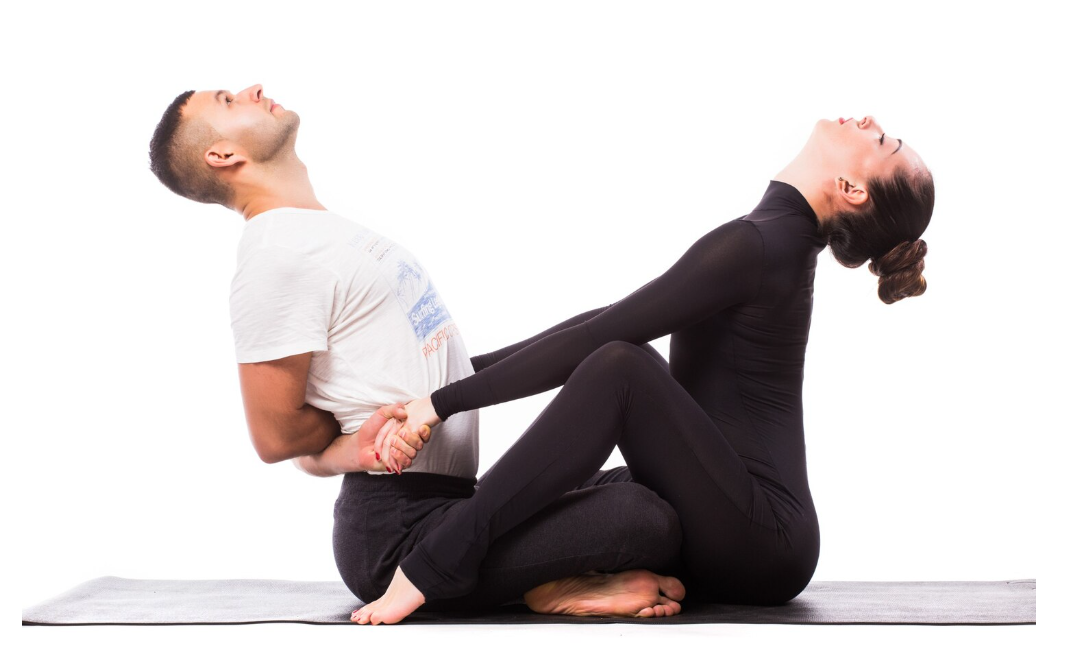
Rolfing Structural Integration works with the body's connective tissue to realign posture, release long-held tension patterns, and help you stand, move, and breathe with natural ease.
- Session length
- 30–45 min
- Typical course
- 6–10 typical
- Intensity
- Gentle
- Suitable for
- Adults with postural strain, old tension patterns, or desk-bound stiffness; pressure is always adjusted to your comfort
How it helps
- Improves posture and overall body alignment
- Releases chronic tension held in the connective tissue
- Eases back, neck, and shoulder strain from long-standing habits
- Frees the ribcage for easier, fuller breathing
- Improves flexibility and smoother, lighter movement
- Builds lasting body awareness that helps results hold
Often chosen for
Tap a condition to see the full condition guide.
What is Rolfing Structural Integration Therapy?
Rolfing Structural Integration is a hands-on therapy developed by Dr. Ida Rolf that works with the body's fascia — the continuous web of connective tissue that wraps and links every muscle, bone, and organ. Years of habit, injury, and stress cause this web to thicken and pull the body subtly out of line: a hip that hikes, shoulders that round, a neck that strains forward. Rolfing sets out to release those holdings and reorganise the whole structure, so the body can stand balanced and at ease within gravity rather than fighting it.
How it works
Fascia responds to slow, sustained pressure in a way muscle alone does not. Your therapist works methodically through the body's layers, using fingers, knuckles, and forearms to soften dense, stuck tissue and restore its natural glide. Crucially, you take part: breathing into an area or making small movements while it is worked helps the release settle in and gives your nervous system a new, easier pattern to keep. Because everything in the fascial web is connected, a session may work far from where you feel the problem — freeing the ankles or ribcage, for instance, to relieve strain in the lower back.
What a session feels like
Expect something quite different from a soothing rub-down. The touch is slow, deep, and deliberate — sometimes intense over long-held areas, always within your comfort. Sessions follow a logical sequence, each building on the last as the body reorganises step by step. Most people stand up feeling taller, more open through the chest, and noticeably lighter on their feet, and that sense of easy uprightness tends to deepen over the course of treatment.
What a session looks like
- 1
Reading your structure
Your therapist watches how you stand and walk, noting where your body has drifted out of line with gravity — a tilted pelvis, rounded shoulders, a head carried forward.
- 2
Slow, deliberate fascia work
Using fingers, knuckles, and forearms, the therapist applies slow, sustained pressure to the fascia — the connective tissue wrapping every muscle — softening areas that have become dense and stuck.
- 3
Movement with the touch
You may be asked to breathe into an area or make small, slow movements while the tissue is worked. This active participation helps the release go deeper and teaches the body a new pattern.
- 4
Re-integrating the whole
Each session closes by connecting the freed areas back into the whole body, so the change shows up in how you actually stand and move — not just how you feel on the table.
Rolfing Structural Integration Therapy — common questions
How is Rolfing different from a massage?+−
Massage mainly relaxes muscles in the moment. Rolfing works on the fascia — the connective web that holds your structure — with the goal of lasting change in posture and alignment, so the benefits are designed to stay with you after the session ends.
Does Rolfing hurt?+−
The slow, sustained pressure can feel intense over areas that have been stuck for years, but it should never be beyond your comfort. Good fascia work is done with you, not to you, and the pressure is adjusted the moment you ask.
Why does better alignment matter?+−
When the body is stacked well in gravity, muscles stop wasting effort holding you up against your own structure. People typically notice easier breathing, less everyday ache, more energy, and a lighter feeling when they walk.
Related therapies

Manual & Structural
Osteopathy
A gentle, hands-on therapy that improves alignment, mobility, and circulation so the body can heal itself — no harsh adjustments or cracking.
Explore
Manual & Structural
Myotherapy & Zero Balancing
Myotherapy & Zero Balancing pairs hands-on muscle treatment with gentle energy-and-structure balancing, easing pain at both the physical and energetic levels for deep, lasting recovery.
Explore
Manual & Structural
Craniosacral Therapy
Craniosacral Therapy uses featherlight, precise touch on the head, spine, and sacrum to release deep tension in the central nervous system — easing headaches, stress, and pain through profound relaxation.
ExploreExperience Rolfing Structural Integration Therapy at Thangajam Munril
Sessions are held at Thangajam Munril, our multidisciplinary centre in Dindigul, conducted by ALMAYA Coz Raja.