Manual & Structural
Craniosacral Therapy
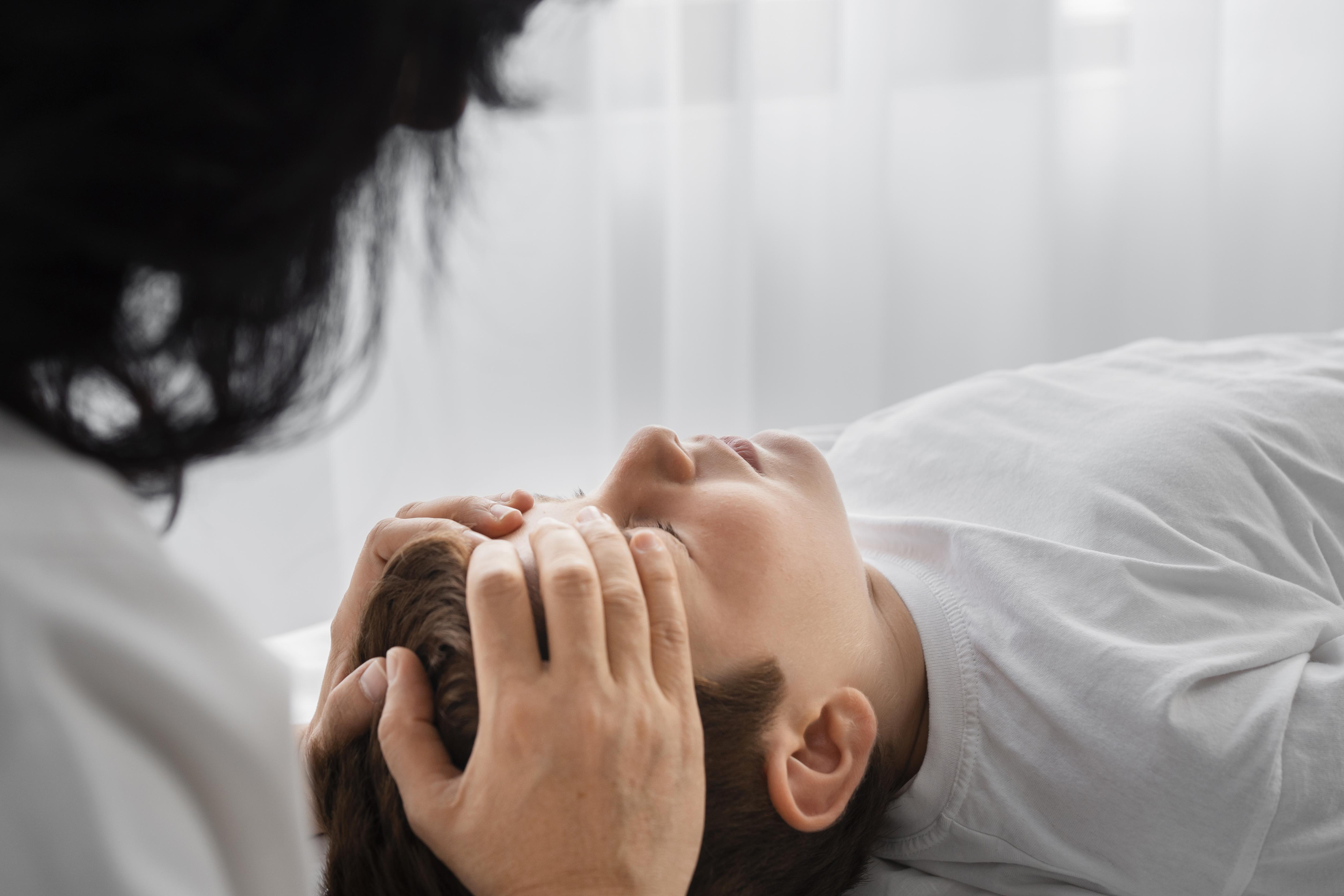
Craniosacral Therapy uses featherlight, precise touch on the head, spine, and sacrum to release deep tension in the central nervous system — easing headaches, stress, and pain through profound relaxation.
- Session length
- 30–45 min
- Typical course
- 6–10 typical
- Intensity
- Gentle
- Suitable for
- Almost everyone — the touch is so light it suits infants, older adults, and people too sensitive for deeper bodywork
How it helps
- Eases chronic headaches, migraines, and neck tension
- Calms the nervous system and reduces stress deeply
- Supports better, more restful sleep
- Releases restrictions around the spine and sacrum
- Promotes the body's own healing and self-regulation
- Gentle enough for people who find firm massage uncomfortable
Often chosen for
Tap a condition to see the full condition guide.
What is Craniosacral Therapy?
Craniosacral Therapy is a gentle, hands-on method that works with the craniosacral system — the membranes and cerebrospinal fluid that surround and protect your brain and spinal cord. Using touch about the weight of a small coin, the therapist releases restrictions in this system so the whole body can relax, rebalance, and heal.
It grew out of osteopathy, and while the touch is remarkably light, its effects can reach deep: the craniosacral system connects directly to the central nervous system, which influences nearly everything else — sleep, mood, digestion, and how the body holds pain.
How it works
Cerebrospinal fluid moves through the craniosacral system in a subtle, wave-like rhythm. Injury, tension, and long-term stress can create restrictions in the tissues around it, and the nervous system pays the price. A trained therapist learns to feel this rhythm with their hands and to notice where it is dampened or uneven.
By resting the hands at specific points along the skull, spine, and sacrum and simply holding — patiently, without pushing — the therapist gives the tissues room to unwind at their own pace. As restrictions soften, circulation improves, the nervous system shifts out of its stress state, and the body's natural self-correcting ability comes back online. This is why KiLiK uses it to support stress reduction, pain relief, better sleep, and mental clarity.
What a session feels like
Expect quietness. You stay fully clothed, lying comfortably, while the therapist's hands rest lightly on your head, back, or sacrum for minutes at a time. People often report gentle warmth, a sense of spreading or softening, and a stillness that settles the whole body. Rather than the worked-over feeling of deep massage, you leave feeling clearer, lighter, and unusually calm — effects that often deepen over the day that follows.
What a session looks like
- 1
Settling in
You lie fully clothed on a comfortable table while the therapist makes light contact — often at the feet or head first — to let your body settle and soften.
- 2
Listening to the craniosacral rhythm
With a touch no heavier than a coin, the therapist tunes into the subtle rhythm of the fluid that bathes your brain and spinal cord, feeling for areas of restriction.
- 3
Gentle holds and releases
The therapist rests their hands at key points along the skull, spine, and sacrum, holding each position quietly while tissues unwind and tension releases on its own.
- 4
Integration
The session closes with a few still minutes so the nervous system can absorb the changes. Many people drift into deep relaxation, and some fall asleep on the table.
Craniosacral Therapy — common questions
How can such a light touch actually do anything?+−
The craniosacral system responds to subtle cues, not force. Light, sustained contact allows tight membranes and tissues around the brain and spine to release naturally, which heavier pressure can actually prevent.
What does a session feel like?+−
Most people describe deep stillness and warmth, sometimes gentle pulsing or softening sensations under the therapist's hands. It is one of the most relaxing therapies we offer, and many clients doze off.
How many sessions will I need?+−
Some people notice a shift after one or two sessions, especially for stress and sleep. Longstanding headaches or tension patterns usually respond best to a series of six to ten sessions.
Related therapies

Manual & Structural
Osteopathy
A gentle, hands-on therapy that improves alignment, mobility, and circulation so the body can heal itself — no harsh adjustments or cracking.
Explore
Manual & Structural
Integrative Manual Therapy
A comprehensive hands-on approach that blends the best of manual therapies — tailored to your structural and neurological needs to heal the root cause, not just the symptoms.
Explore
Mind & Emotional
Somatic Therapy
Somatic Therapy works through the body to ease what the mind carries — using breath, gentle movement, and body awareness to release stored stress and tension and settle an overworked nervous system.
ExploreExperience Craniosacral Therapy at Thangajam Munril
Sessions are held at Thangajam Munril, our multidisciplinary centre in Dindigul, conducted by ALMAYA Coz Raja.