Elemental & Nature
Pet Or Animal Assisted Therapy
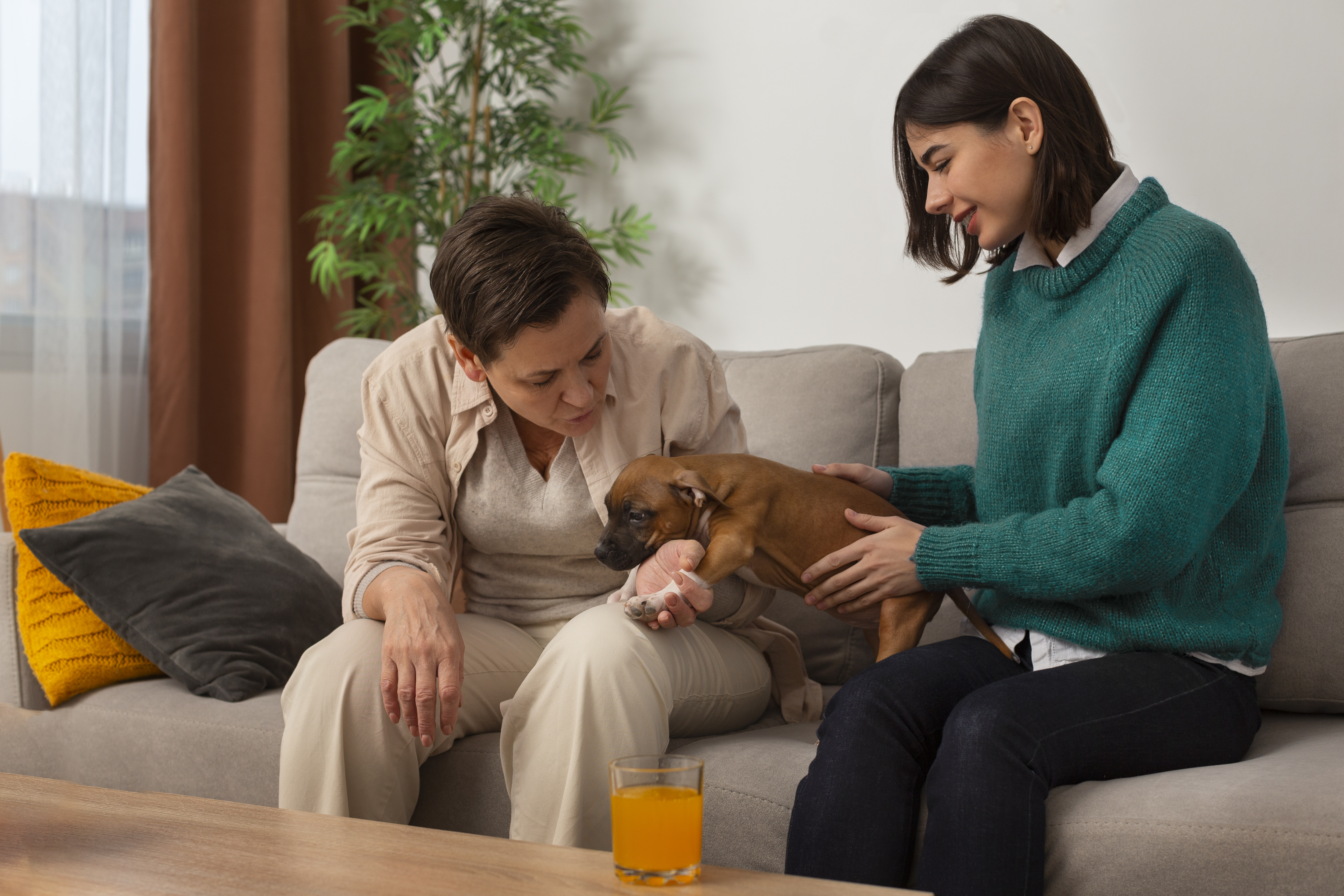
Animal Assisted Therapy brings gentle, trained animals into guided healing sessions — their calm presence lowers stress, lifts mood, and opens people up emotionally in ways words alone often cannot.
- Session length
- 30–45 min
- Typical course
- 6–10 typical
- Intensity
- Gentle
- Suitable for
- Children, adults, and elders — especially those coping with stress, low mood, loneliness, or emotional withdrawal
How it helps
- Lowers stress and anxiety through calm, unhurried animal contact
- Lifts mood and eases feelings of loneliness and low motivation
- Encourages emotional expression in people who find talking difficult
- Builds confidence, empathy, and social connection
- Gentle interaction and play add light, enjoyable physical activity
- Gives structure and a sense of purpose through caring for another being
Often chosen for
Tap a condition to see the full condition guide.
What is Pet Or Animal Assisted Therapy?
Animal Assisted Therapy is a guided form of healing in which time with a gentle, trained animal becomes part of the treatment itself. Sessions are led by a therapist, but the animal — most often a dog, sometimes a cat, rabbit, or bird — does much of the quiet work: offering warmth, attention, and complete acceptance, with no judgement and no expectations.
That simple presence changes things. People who find it hard to talk begin to open up. Restless minds settle. Someone weighed down by stress or low mood finds themselves smiling at a wagging tail before they have said a word.
How it works
The effect is not just sentimental — it is physiological. Stroking and sitting with a calm animal lowers cortisol, the body's main stress hormone, steadies the heart rate, and releases oxytocin, the same hormone behind human bonding. At the same time, the animal gives the session a natural focus: grooming, feeding, walking, and playing invite movement, concentration, and communication without any of it feeling like an exercise. The therapist watches what unfolds and gently steers it — using the trust built with the animal as a bridge toward confidence, emotional expression, and connection with people.
What a session feels like
There is no script to perform. You might spend the first session simply sitting near the animal, letting it come to you. As comfort grows, you stroke, brush, play, or walk together, with the therapist alongside guiding and observing. Sessions end with a few minutes of quiet reflection on what you noticed and felt. Most people describe the time as the calmest part of their week — and the calm, along with the confidence, tends to follow them home.
What a session looks like
- 1
Matching and introduction
The therapist chooses a calm, trained animal suited to your comfort level and goals, and the first meeting happens slowly, entirely at your pace.
- 2
Guided interaction
You spend time stroking, grooming, feeding, or simply sitting with the animal while the therapist gently guides the session toward its purpose — calming, connecting, or building confidence.
- 3
Activity and engagement
As trust grows, sessions may add simple activities — walking, playing, or teaching the animal small tasks — which naturally exercise movement, focus, and communication.
- 4
Reflection with the therapist
Each session closes with a short conversation about what came up — feelings the animal's presence made easier to reach — and how to carry that calm into daily life.
Pet Or Animal Assisted Therapy — common questions
How does Animal Assisted Therapy work?+−
Calm interaction with a friendly animal measurably settles the body — stress hormones drop and the bonding hormone oxytocin rises — while the animal's non-judgemental presence makes it easier to relax, open up, and engage. The therapist shapes this natural response toward your specific goals.
What if I am nervous around animals?+−
That is common, and the therapy can even help with it. You start at whatever distance feels safe — even just watching — with a calm, predictable animal, and move closer only when you are ready. Nothing is ever forced.
Which animals are used?+−
Dogs are the most common therapy companions because of their trainability and warmth, but calm cats, rabbits, birds, and other gentle animals are also used. The choice always depends on your comfort, needs, and any allergies.
Related therapies
Mind & Emotional
Family Therapy
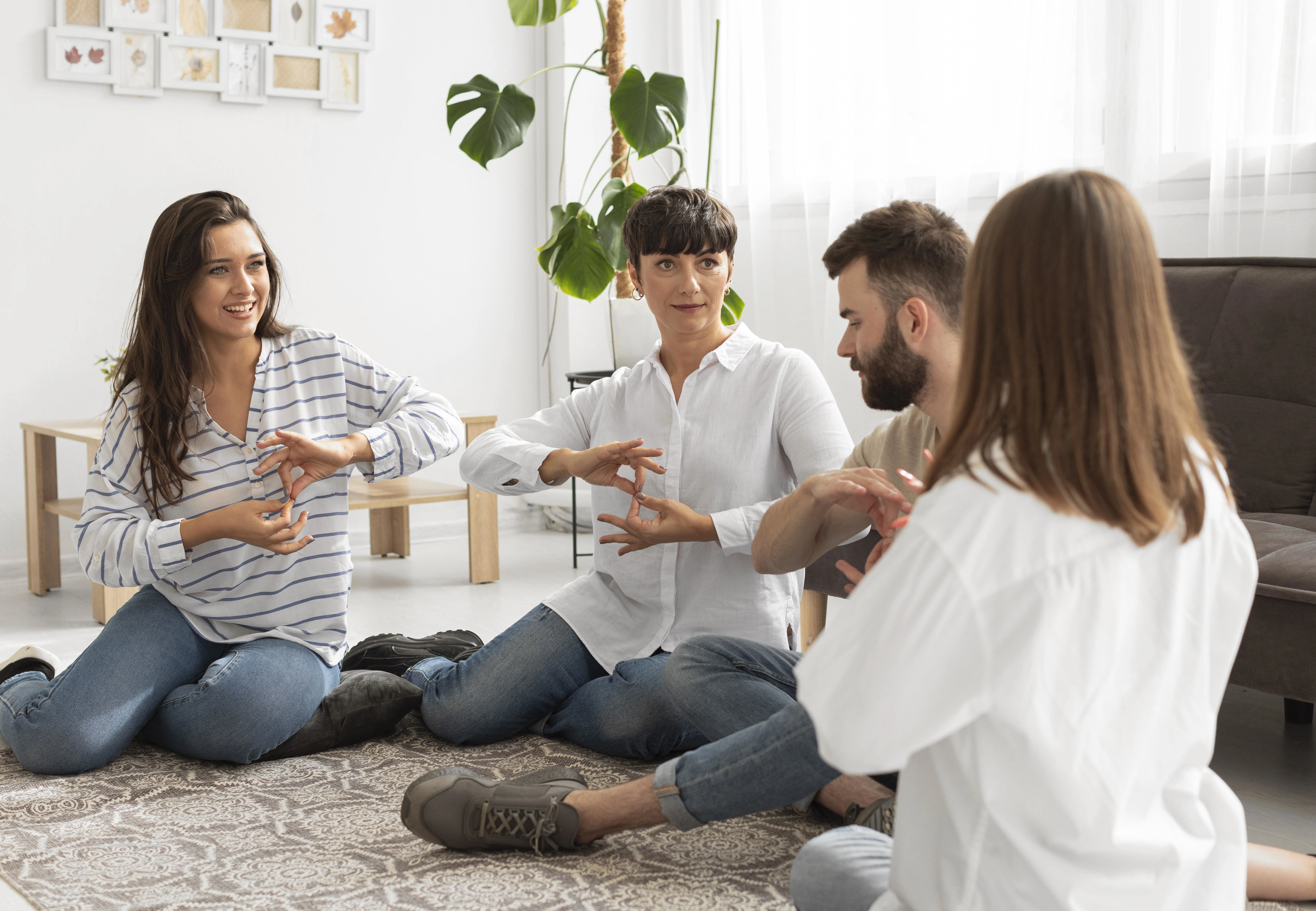
Family Therapy brings family members together in guided sessions to improve communication, ease conflict, and strengthen the bonds that support each person's emotional health and everyday wellbeing.
Explore
Mind & Emotional
Relaxation Techniques
Relaxation Techniques combine yoga, calming music, breathwork, and guided practice to settle the nervous system, ease stress and tension, and restore balance to mind and body.
Explore
Mind & Emotional
Exposure Therapy
Exposure Therapy gently and gradually helps you face the situations, sensations, or memories you have been avoiding — retraining the mind's alarm system so fear and anxiety lose their grip.
ExploreExperience Pet Or Animal Assisted Therapy at Thangajam Munril
Sessions are held at Thangajam Munril, our multidisciplinary centre in Dindigul, conducted by ALMAYA Coz Raja.