Mind & Emotional
Relaxation Techniques
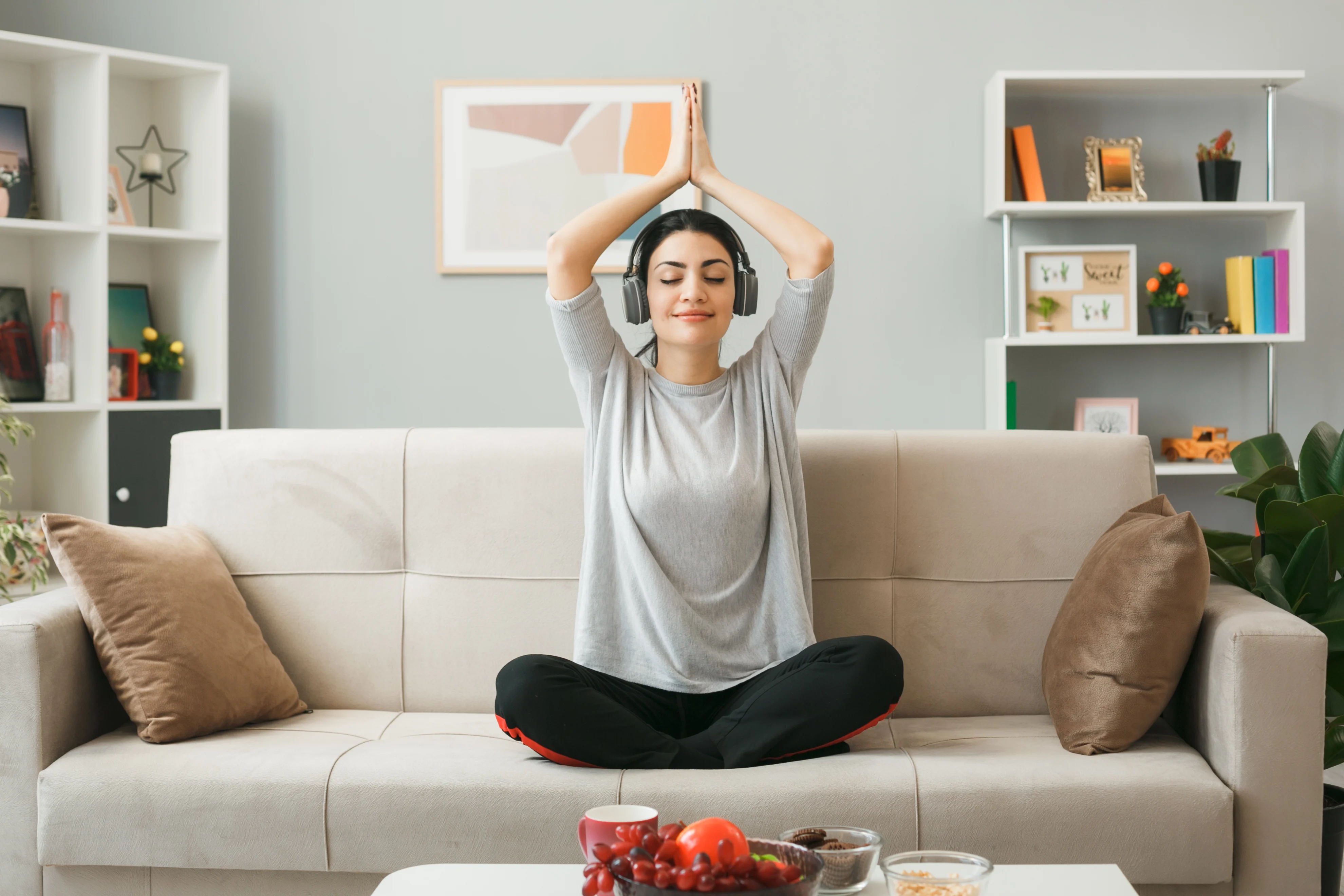
Relaxation Techniques combine yoga, calming music, breathwork, and guided practice to settle the nervous system, ease stress and tension, and restore balance to mind and body.
- Session length
- 30–45 min
- Typical course
- Weekly, plus daily home practice
- Intensity
- Gentle
- Suitable for
- Stress, poor sleep, fatigue, and emotional strain
How it helps
- Eases anxiety and lifts low mood
- Improves sleep quality
- Boosts focus and productivity
- Reduces physical pain and fatigue
- Calms the nervous system and lowers heart rate
- Enhances overall well-being
Often chosen for
Tap a condition to see the full condition guide.
Why relaxation matters
In a world that never seems to slow down, finding moments of peace can feel impossible. But relaxation is not a luxury — it is a vital part of maintaining physical health, emotional balance, and mental clarity. Chronic stress quietly contributes to headaches, muscle tension, insomnia, and even weakened immunity. Relaxation techniques work by calming the nervous system, lowering the heart rate, and easing muscle tension, which in turn helps you manage anxiety, sleep better, focus more clearly, and feel less pain and fatigue. Incorporating relaxation into your daily routine is one of the best investments you can make in your health.
The techniques we use
Sessions weave together several proven practices, supported by yoga, calming music, and sound. Deep breathing is the simplest and most immediate: breathe in slowly through the nose for a count of four, hold for four, exhale gently for six, and within five minutes the body's relaxation response takes over. Progressive muscle relaxation tenses and releases muscle groups one by one, training you to recognize tension and let it go. Guided visualization uses the imagination to carry you to a serene setting — a beach, a forest — while mindfulness meditation teaches you to observe thoughts and sensations calmly, building emotional resilience. Gentle yoga and stretching then combine movement with breath to release what remains.
Making relaxation a habit
The real benefit comes from repetition. Set aside time daily — even ten minutes makes a difference. Create a calming environment with dim lights, soft music, and comfortable seating. Be consistent, practicing your chosen techniques regularly, and listen to your body: notice what works best for you and adjust. Over weeks, the calm you find in a session stops being an escape from your day and becomes part of it.
What a session looks like
- 1
Settling in with deep breathing
The session opens with slow breathing — in through the nose for four counts, hold for four, exhale gently for six — activating the body's relaxation response within minutes.
- 2
Progressive muscle relaxation
Muscle groups are tensed and released one by one, teaching you to notice physical tension and consciously let it go.
- 3
Guided visualization and mindfulness
Calming imagery and present-moment awareness carry the mind to a peaceful place while thoughts and sensations are observed without judgment.
- 4
Gentle yoga and stretching
Soft movement combined with breath control releases remaining muscle tension, improves circulation, and deepens mental relaxation.
- 5
Building your home practice
You leave with a simple daily routine — even ten minutes a day — so the calm of the session becomes a lasting habit.
Relaxation Techniques — common questions
Why does relaxation matter for health?+−
Chronic stress contributes to headaches, muscle tension, insomnia, and even weakened immunity. Relaxation techniques calm the nervous system, lower heart rate, and ease muscle tension — supporting both physical and emotional health.
Which techniques will I learn?+−
Sessions draw on deep breathing, progressive muscle relaxation, guided visualization, mindfulness meditation, and gentle yoga with calming music and sound — tailored to what settles you most effectively.
How often should I practice?+−
Consistency matters more than duration: even 10 minutes daily makes a difference. A calm environment — dim light, soft music, comfortable seating — helps the habit stick.
Can these techniques replace medical treatment?+−
They are a powerful complement, not a replacement. For ongoing depression, severe anxiety, or persistent sleep problems, please also consult a doctor or mental health professional.
Related therapies
Pressure & Point Therapy
Shiatsu
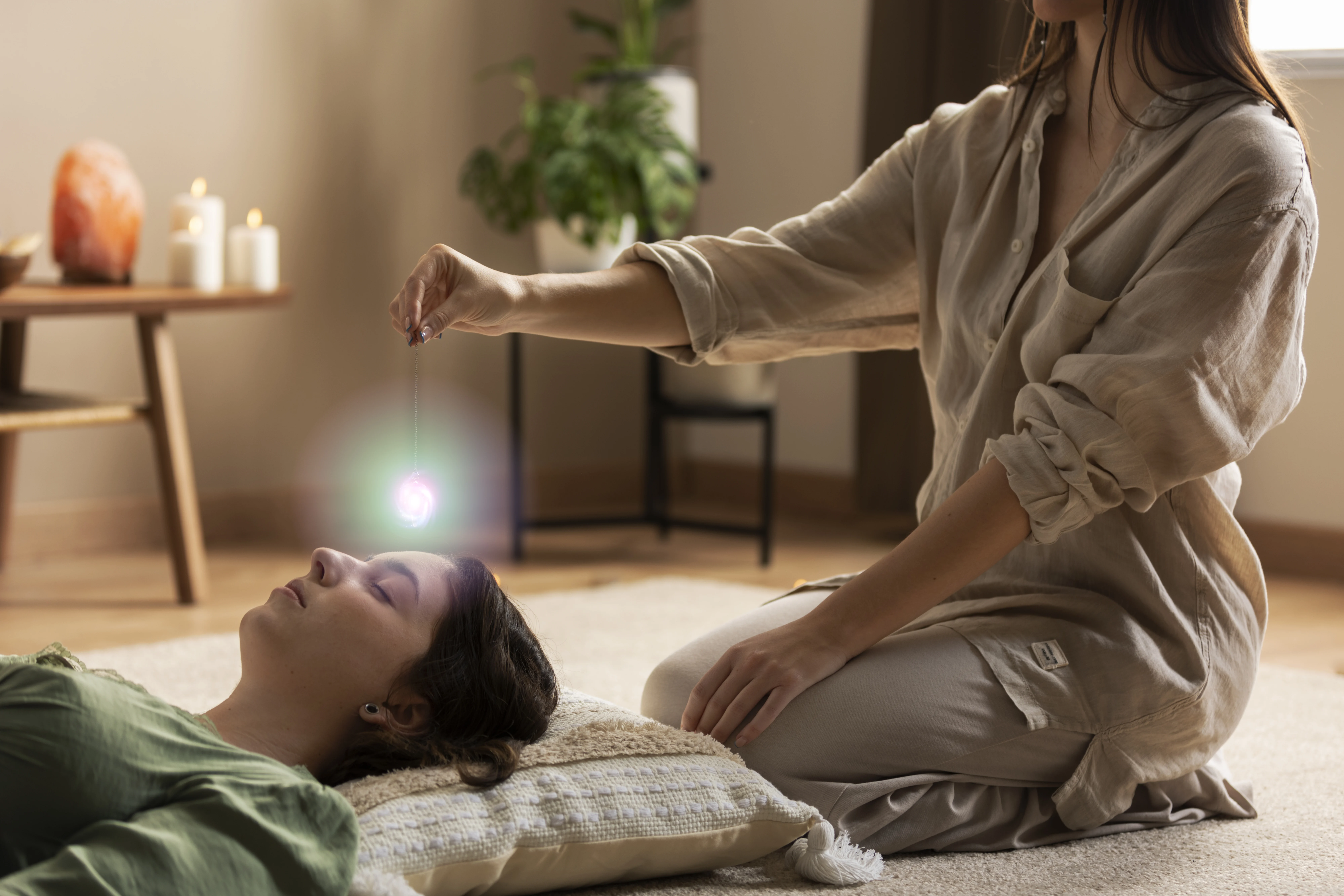
Shiatsu — Japanese for 'finger pressure' — is a touch-based therapy that uses fingers, thumbs, and palms on the body's energy pathways to melt tension, ease pain, and restore deep calm.
Explore
Energy & Traditional
Marma Immune Waves
Marma Immune Waves combines Ayurvedic marma-point therapy with wave-like rhythmic stimulation, pairing gentle movement and breath to awaken the body's energy points and strengthen its natural defences.
Explore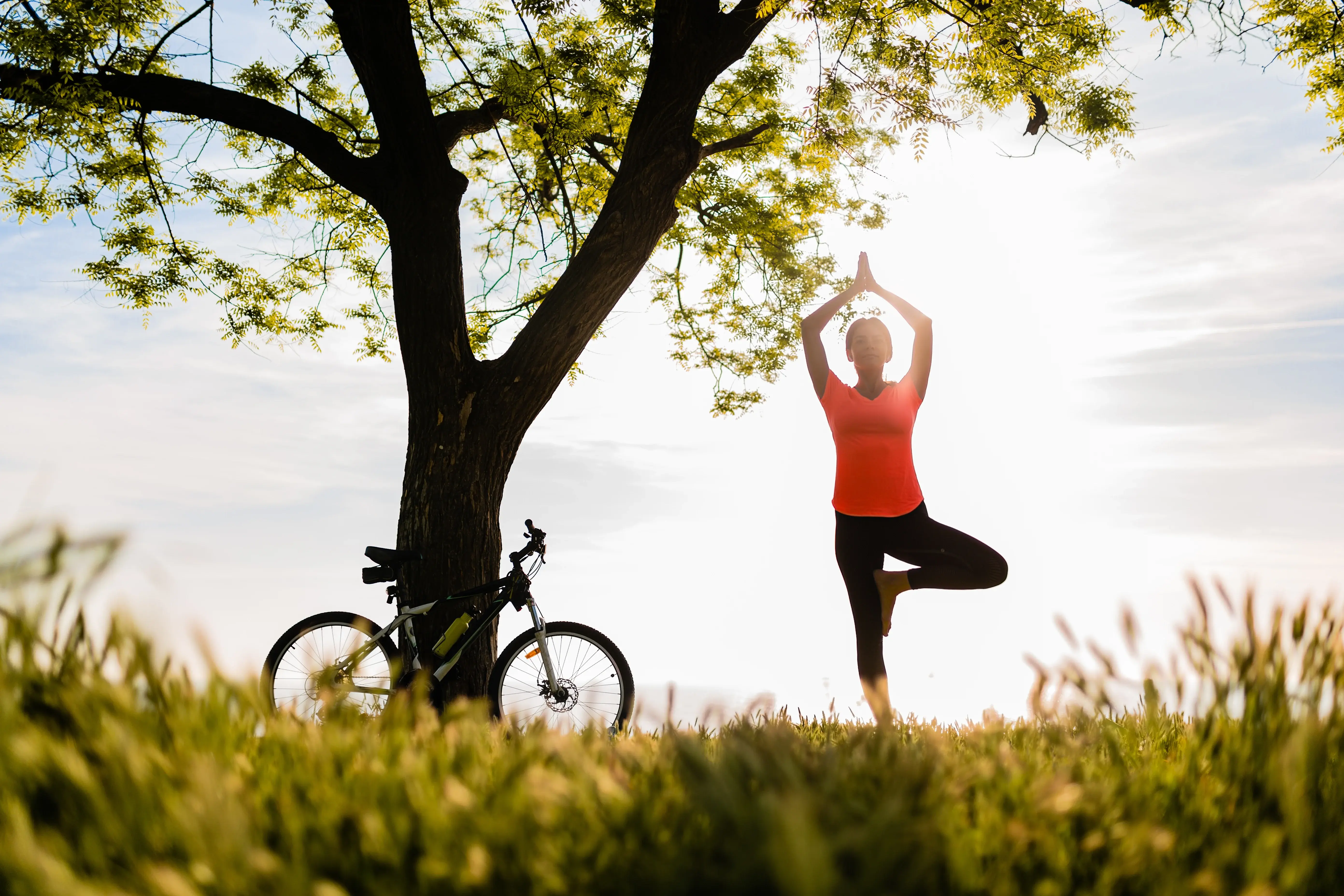
Energy & Traditional
Wheel of Time Healing
Wheel of Time Healing is a rhythmic, cyclical therapy that aligns the body's energy with natural time-based patterns — combining gentle energy work, breathwork, and guided meditation for deep emotional release and lasting balance.
ExploreExperience Relaxation Techniques at Thangajam Munril
Sessions are held at Thangajam Munril, our multidisciplinary centre in Dindigul, conducted by ALMAYA Coz Raja.