Manual & Structural
Tuina Tapping
Tuina tapping is a traditional Chinese hands-on therapy that uses kneading, rolling, pressing, and rhythmic tapping to stimulate the flow of Qi through the meridians, restoring balance and easing specific health complaints.
- Session length
- 30–45 min
- Typical course
- 1–2 per week for chronic issues
- Intensity
- Moderate
- Suitable for
- Musculoskeletal pain, stress, and circulation concerns
How it helps
- Relieves back, neck, and shoulder tension
- Stimulates healthy energy and blood flow
- Eases headaches and joint stiffness
- Calms stress and supports better sleep
- Can be received fully clothed, without oils
Often chosen for
Tap a condition to see the full condition guide.
What exactly is Tuina massage?
Tuina is one of the pillars of traditional Chinese medicine — a hands-on therapy that uses kneading, rolling, pressing, and tapping to stimulate the flow of Qi through the body's meridians. The aim is not simply to soothe tired muscles but to restore balance and set natural healing in motion.
That makes it quite different from a Western spa massage. Tuina is used to treat specific health issues: back pain, neck and shoulder tension, headaches, arthritis, digestive complaints, insomnia, and stress. It is more clinical in purpose, is often paired with acupuncture or herbal medicine, and is performed through clothing with no oils needed. Pressure can be gentle or deep, always tailored to the condition being treated.
The types of Tuina
Practitioners draw on several styles depending on what your body needs. Soft Tuina uses gentle strokes for relaxation, while Strong Tuina applies deep pressure for pain relief. Structural Tuina works to realign the spine and joints, and Meridian Tuina focuses on stimulating the body's energy pathways. There is even Pediatric Tuina — a safe, light-touch version developed for children's health.
What a course of treatment looks like
A typical session lasts around 30 to 45 minutes, combining warming strokes, rhythmic tapping over key points, acupressure, and stretching. For chronic issues such as a stiff shoulder or persistent numbness, one to two sessions a week is common at first, tapering off as the condition improves; for general wellness, once or twice a month keeps energy and circulation flowing well. Most people find the rhythm of the tapping deeply settling — firm enough to feel purposeful, gentle enough to relax into.
What a session looks like
- 1
Consultation and assessment
The therapist identifies the health issue being treated and the meridian pathways involved, tailoring pressure to your condition and comfort.
- 2
Warming the tissue
Kneading and rolling strokes warm the muscles and open circulation along the treatment area.
- 3
Acupressure and tapping
Rhythmic tapping and sustained pressure on specific points stimulate Qi flow through the meridians to restore balance.
- 4
Stretching and structural work
Gentle stretches — and, where needed, structural techniques for the spine and joints — complete the session and restore mobility.
Tuina Tapping — common questions
How is Tuina different from regular massage?+−
Unlike relaxation massage, Tuina is used for specific health issues and often includes acupressure, joint adjustments, and energy work. It is more clinical and can be done over clothing without oils.
Is Tuina painful?+−
Tuina can involve firm pressure, but it should not be overly painful. The intensity is adjusted based on your comfort level and condition.
What conditions can Tuina treat?+−
Tuina is effective for back pain, headaches, sciatica, joint stiffness, stress, digestive problems, and insomnia. It is also used for sports injuries and chronic pain.
How often should I get Tuina?+−
For chronic issues, 1–2 sessions per week may be recommended. For general wellness, once or twice a month is ideal.
Related therapies
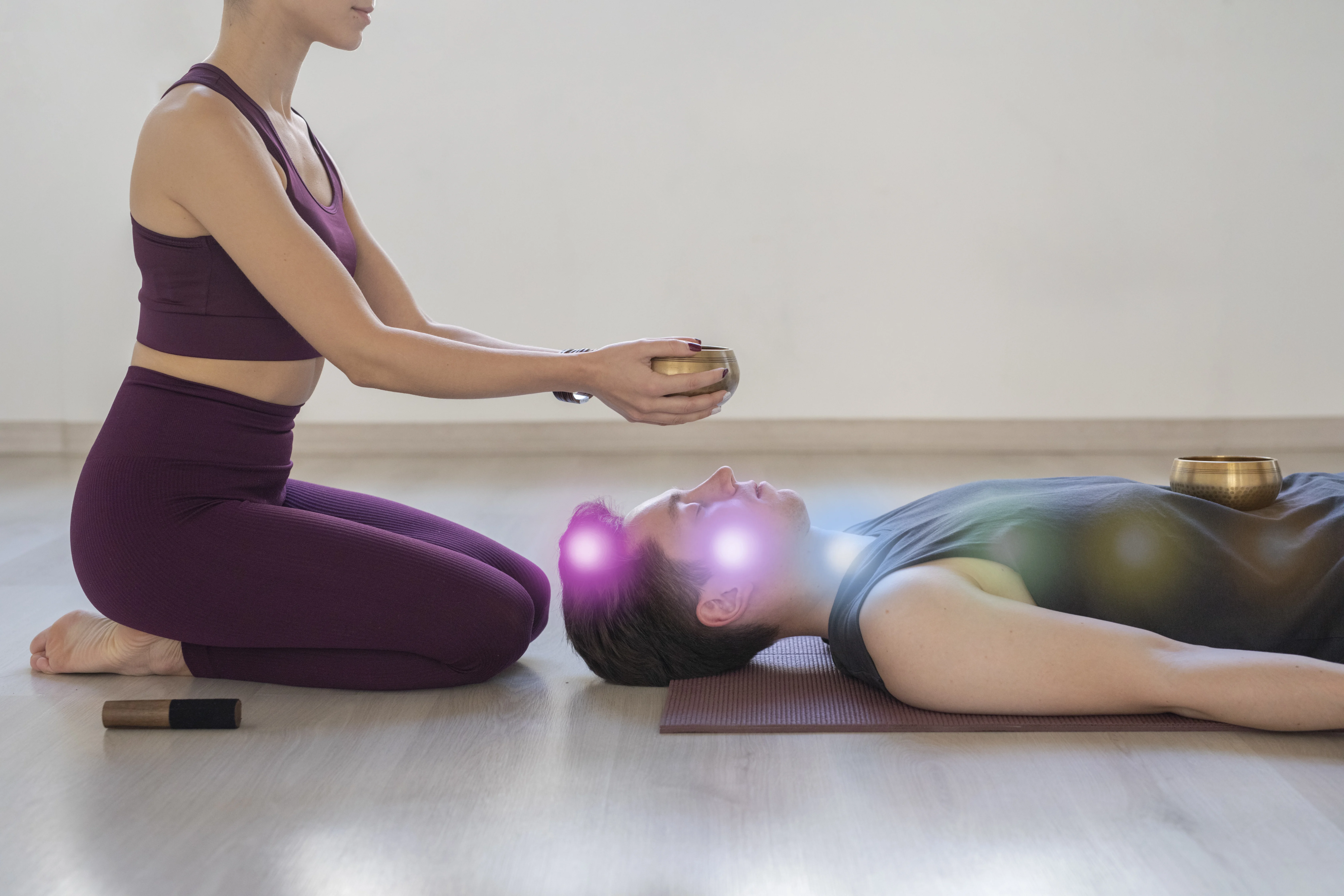
Energy & Traditional
Chinese Meridian Therapy
Rooted in Traditional Chinese Medicine, Chinese Meridian Therapy balances the body's energy pathways — the meridians — to relieve pain and fatigue and restore natural vitality.
Explore
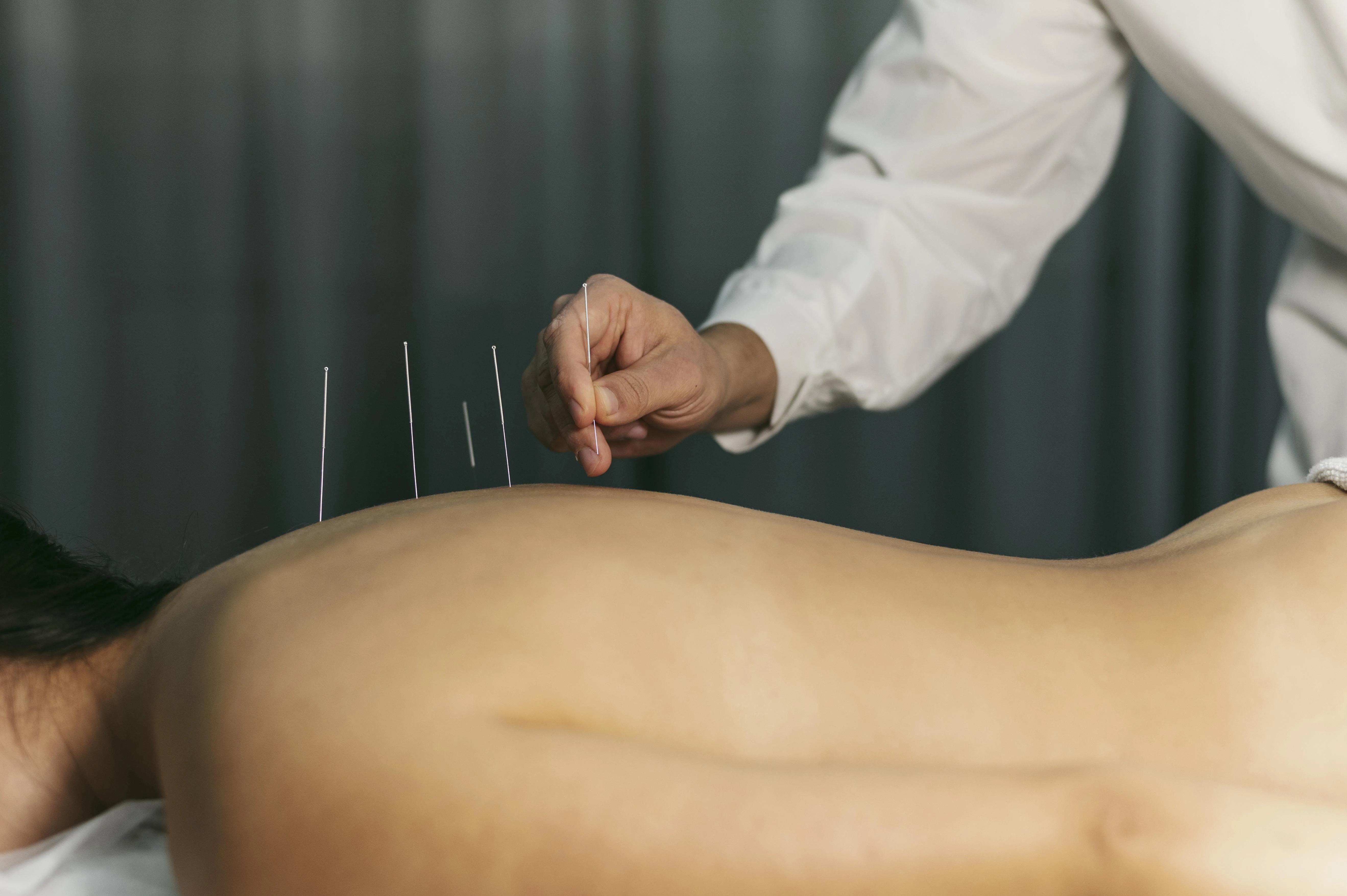
Pressure & Point Therapy
Acupressure
Acupressure uses firm, targeted finger pressure on specific points of the body to ease pain, calm stress, and restore healthy energy flow — the benefits of acupuncture, without needles.
Explore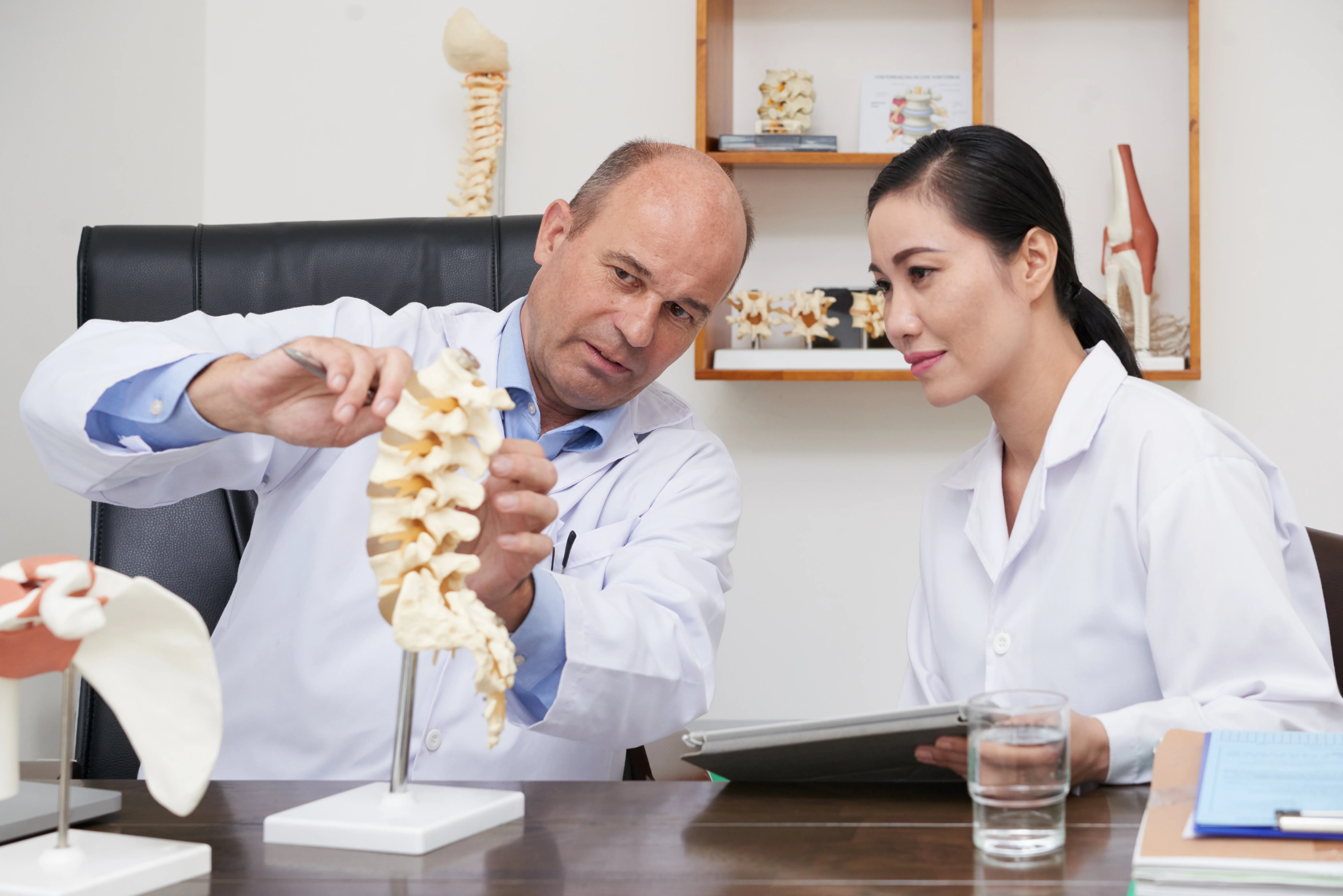
Manual & Structural
Tit Tar Technique
The Tit Tar Technique is a time-honored Chinese bone-setting method that uses precise manual adjustments to realign bones and joints, relieve pain, and restore mobility after injury — naturally and without surgery.
ExploreExperience Tuina Tapping at Thangajam Munril
Sessions are held at Thangajam Munril, our multidisciplinary centre in Dindigul, conducted by ALMAYA Coz Raja.