Manual & Structural
Visceral Mobilization
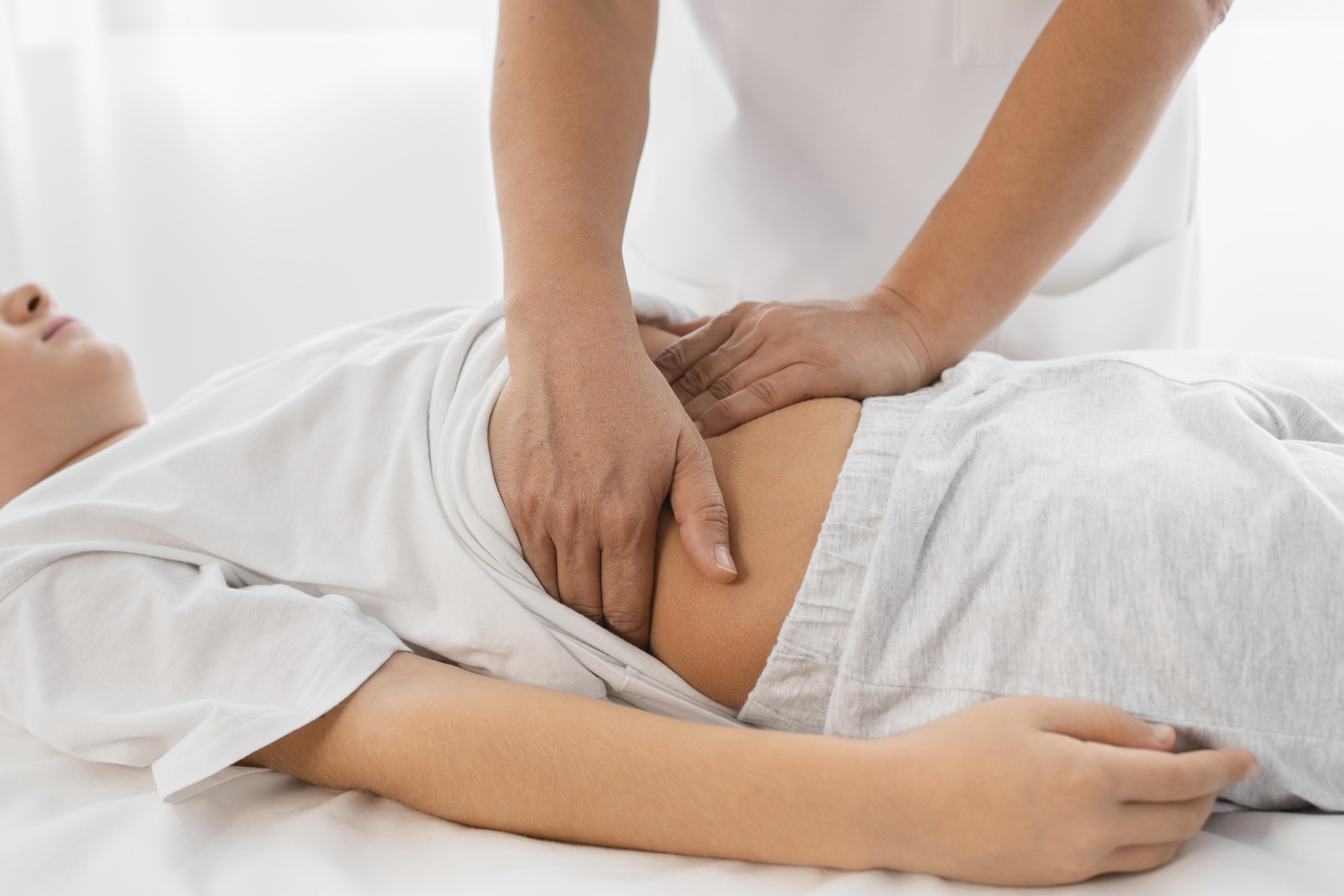
Visceral Mobilization uses light, precise hand movements over the abdomen to release tension in the connective tissue around the internal organs, supporting digestion, circulation, and ease of movement through the whole body.
- Session length
- 30–45 min
- Typical course
- 6–10 typical
- Intensity
- Gentle
- Suitable for
- Adults seeking relief from digestive discomfort, post-surgical tightness, or unexplained back and posture tension
How it helps
- Eases digestive discomfort such as bloating, sluggishness, and constipation
- Releases deep abdominal tension that can pull on the back and posture
- Improves circulation and fluid movement around the internal organs
- Softens restrictions left behind by old scars, surgery, or inflammation
- Calms the nervous system, supporting better sleep and lower stress
Often chosen for
Tap a condition to see the full condition guide.
What is Visceral Mobilization?
Visceral Mobilization is a gentle, hands-on therapy that works with the internal organs — the viscera — and the connective tissue that surrounds them. Every organ in the abdomen and chest is designed to glide slightly against its neighbours as you breathe, digest, and move. When that tissue becomes tight or adhered — after surgery, illness, inflammation, or simply years of stress and shallow breathing — the restriction can show up as digestive discomfort, a pulling sensation in the belly, or even stubborn tension in the back and hips.
Rather than working on muscles and joints from the outside, this therapy addresses those deeper restrictions directly, using pressure so light it often feels like little more than a warm, resting hand.
How it works
Your therapist begins by palpating the abdomen slowly, feeling for areas where the tissue does not move as freely as it should. Once a restriction is found, gentle, directed pressure encourages it to soften — always following the organ's natural direction of glide, never forcing it. Breathing plays a big part: as the diaphragm rises and falls, it becomes a built-in partner in the treatment, helping the organs settle back into easy motion.
Freeing these restrictions supports the body in several ways at once. Digestion tends to move more comfortably, circulation and lymph flow around the organs improve, and the fascial pulls that were quietly dragging on the spine and posture ease off.
What a session feels like
Expect something far quieter than a massage. You lie comfortably on your back while the therapist works with slow, patient hands, mostly over the abdomen and lower ribs. Many people feel warmth, softening, or gentle gurgling as tissue releases — and a surprising sense of calm, since the belly is closely tied to the nervous system. Sessions close with a few minutes of rest so the changes can settle in.
What a session looks like
- 1
Listening with the hands
Your therapist rests warm, relaxed hands on the abdomen and gently feels for areas where the tissue around the organs seems tight, pulled, or less mobile than it should be.
- 2
Gentle, directed pressure
Using very light pressure — often no more than the weight of the hand — the therapist encourages restricted tissue to soften, following the natural glide of each organ rather than forcing it.
- 3
Mobilizing with the breath
You may be asked to breathe slowly and deeply while the therapist works, letting the movement of the diaphragm help the organs slide and settle into freer motion.
- 4
Integrating the release
The session ends with quiet, settling strokes and a few minutes of rest, giving the body time to absorb the change. Many people notice their breathing feels deeper and the belly softer.
Visceral Mobilization — common questions
Why would my organs need mobilization?+−
The organs are wrapped in connective tissue and normally glide slightly as you breathe and move. Surgery, inflammation, poor posture, or chronic stress can make that tissue tight and sticky. Gently restoring the glide can ease digestion, breathing, and even back tension.
Does Visceral Mobilization hurt?+−
No — it is one of the gentlest manual therapies. The pressure is light and slow, and most people find it deeply relaxing. Some feel gurgling or warmth in the abdomen as tissue releases, which is completely normal.
How soon will I notice a difference?+−
Some people feel lighter and breathe more easily after the first session. Digestive and postural changes usually build gradually over several sessions as the tissue keeps its new freedom of movement.
Related therapies

Manual & Structural
Osteopathy
A gentle, hands-on therapy that improves alignment, mobility, and circulation so the body can heal itself — no harsh adjustments or cracking.
Explore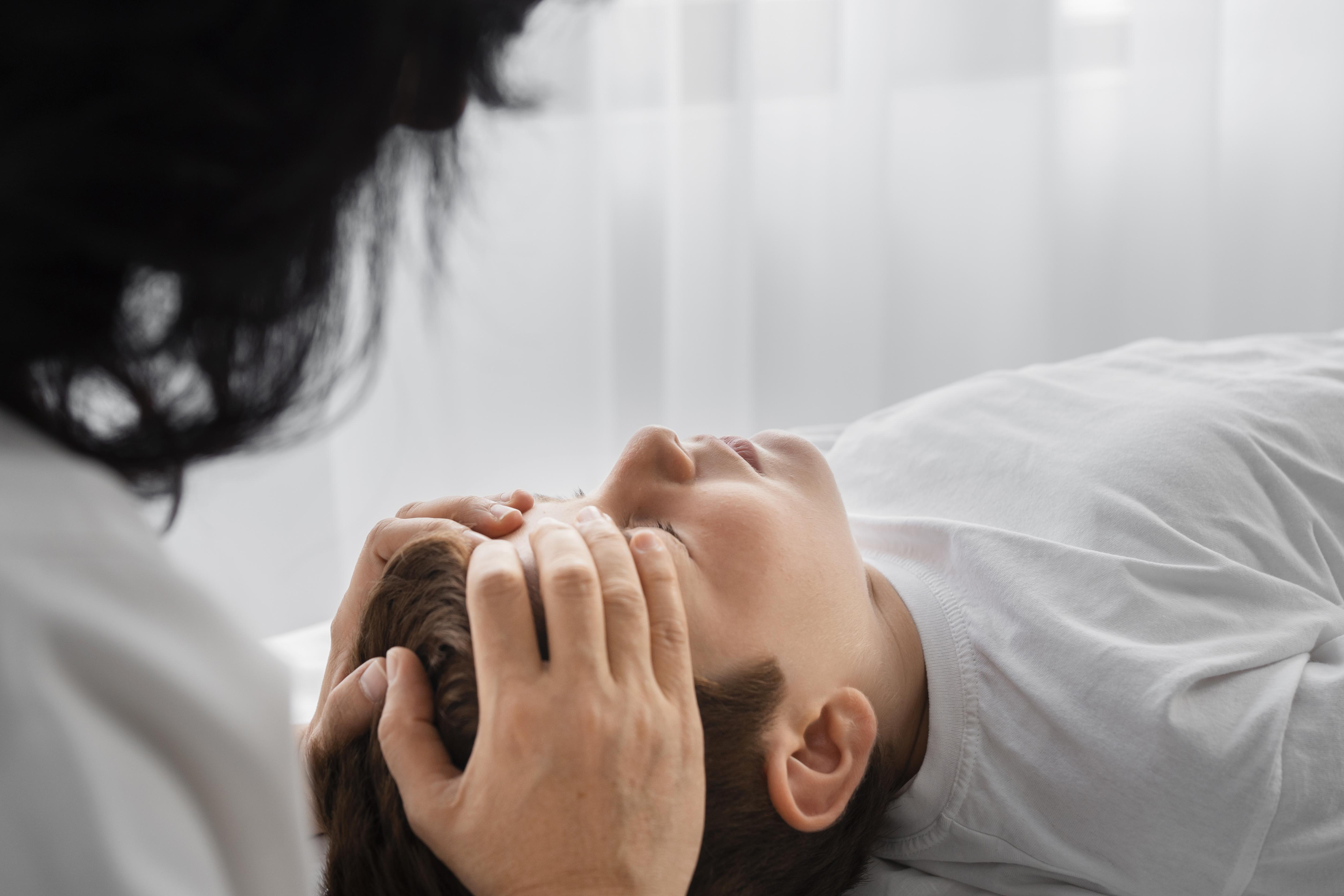
Manual & Structural
Craniosacral Therapy
Craniosacral Therapy uses featherlight, precise touch on the head, spine, and sacrum to release deep tension in the central nervous system — easing headaches, stress, and pain through profound relaxation.
Explore
Manual & Structural
Integrative Manual Therapy
A comprehensive hands-on approach that blends the best of manual therapies — tailored to your structural and neurological needs to heal the root cause, not just the symptoms.
ExploreExperience Visceral Mobilization at Thangajam Munril
Sessions are held at Thangajam Munril, our multidisciplinary centre in Dindigul, conducted by ALMAYA Coz Raja.