Elemental & Nature
Immersion in Water
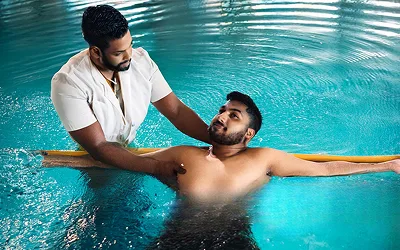
Immersion in Water therapy submerges the body in warm or cool water, using buoyancy, temperature, and gentle pressure to ease joints, relax muscles, and support natural healing and circulation.
- Session length
- 20–40 min
- Typical course
- 6–10 typical
- Intensity
- Gentle
- Suitable for
- Joint pain, post-injury recovery, seniors, and athletes
How it helps
- Reduces joint stress and pain
- Improves circulation and oxygen delivery
- Relaxes muscles and releases tension
- Calms the nervous system and reduces stress
- Speeds healing and recovery
- Enables gentle movement without strain
Often chosen for
Tap a condition to see the full condition guide.
What is Immersion in Water therapy?
Immersion in Water therapy is exactly what it sounds like — submerging the body, partially or fully, in warm or cool water — but the simplicity is deceptive. Water has three therapeutic properties that no dry-land treatment can match: buoyancy, temperature, and gentle hydrostatic pressure. Together they support the body, ease movement, and create the conditions in which healing happens naturally.
Sessions take place in hydrotherapy pools, hot tubs, mineral or thermal springs, or specialized flotation tanks, and each setting brings its own character to the treatment.
How it works
Buoyancy is the heart of it. In water, much of your body weight simply disappears, lifting pressure off joints and muscles. Movements that hurt on land — stretching, walking, raising a limb — become possible again, which is why immersion is so valuable for arthritis, stiffness, and recovery after injury or surgery.
Temperature does the rest. Warm water opens blood vessels, increasing circulation and oxygen delivery while muscles soften and the nervous system settles. Cool water works the opposite way, calming inflammation and reducing swelling. A skilled practitioner uses both, matched to what your body needs on the day.
Who benefits
The therapy serves a remarkably wide range of people: those living with chronic or acute musculoskeletal pain, athletes managing sports injuries and overuse, people whose mobility is limited by stiffness, and anyone carrying stress-related muscle tension. Seniors value it as one of the gentlest forms of exercise available, and many people come simply for the deep relaxation — the particular quiet of a body finally allowed to float. As with any therapy, check with your healthcare provider that immersion is right for you.
What a session looks like
- 1
Choosing the setting
Sessions take place in hydrotherapy pools, hot tubs, mineral or thermal springs, or specialized flotation tanks, chosen to suit your condition.
- 2
Gradual immersion
The body is submerged partially or fully, letting buoyancy take over your body weight and lift pressure off joints and muscles.
- 3
Temperature work
Warm water increases blood flow, relaxes muscles, and calms the nervous system; cool water is used where inflammation or swelling needs reducing.
- 4
Supported movement
With the water carrying your weight, gentle stretches and exercises become possible without pain or strain, rebuilding mobility safely.
Immersion in Water — common questions
Where does immersion take place?+−
In hydrotherapy pools, hot tubs and Jacuzzis, mineral or thermal springs, or specialized water and flotation tanks — depending on your needs and what your care plan calls for.
Do I need to be able to swim?+−
No. Most immersion therapy happens in shallow, supervised settings where you can stand or are fully supported. The water's buoyancy does the work of carrying you.
Warm or cool water — which is right for me?+−
Warm water relaxes muscles, boosts circulation, and calms the nervous system, while cool water reduces inflammation and swelling. Your practitioner selects the temperature to match your condition.
Who should try it?+−
People with arthritis or joint pain, those recovering from surgery or injury, individuals with muscle spasms or stiffness, athletes seeking faster recovery, and seniors wanting gentle exercise options. Always consult your healthcare provider first.
Related therapies
Elemental & Nature
Warm Packs
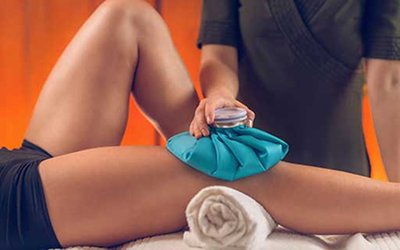
Warm packs soothe sore, stiff areas with gentle therapeutic heat — boosting circulation, relaxing muscles, and easing tension so the body's own healing can work more efficiently.
Explore
Mind & Emotional
Relaxation Techniques
Relaxation Techniques combine yoga, calming music, breathwork, and guided practice to settle the nervous system, ease stress and tension, and restore balance to mind and body.
ExploreExperience Immersion in Water at Thangajam Munril
Sessions are held at Thangajam Munril, our multidisciplinary centre in Dindigul, conducted by ALMAYA Coz Raja.