Elemental & Nature
Warm Packs
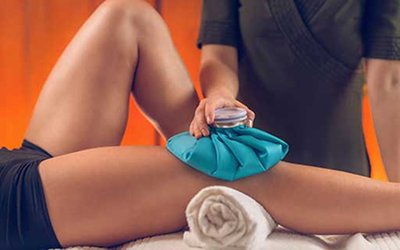
Warm packs soothe sore, stiff areas with gentle therapeutic heat — boosting circulation, relaxing muscles, and easing tension so the body's own healing can work more efficiently.
- Session length
- 15–20 min per application
- Typical course
- As needed, often daily
- Intensity
- Gentle
- Suitable for
- Everyday aches, stiffness, and muscle tension
How it helps
- Relieves aches and soreness naturally
- Boosts blood circulation to the area
- Relaxes tight, tense muscles
- Reduces stiffness in joints and back
- Soothes nerve endings and eases discomfort
Often chosen for
Tap a condition to see the full condition guide.
What are warm packs?
In today's fast-paced world, aches, stiffness, and tension have become a daily struggle — and one of the most natural, comforting remedies is also one of the oldest. Warm packs, also known as heat packs or hot compresses, are simple yet powerful tools that relieve pain and promote healing by applying gentle, therapeutic heat exactly where the body needs it.
In KiLiK therapy, warm packs are valued both as a treatment in their own right and as preparation for hands-on work: warmth softens tissue and calms the area, so the body receives further therapy more easily.
How gentle heat heals
The mechanism is beautifully simple. Warmth widens blood vessels, boosting circulation to the sore area and bringing oxygen and nutrients with it. Muscles held tight begin to release, stiffness eases, and nerve endings are soothed — which is why a warm pack on an aching back or cramping abdomen brings relief that feels almost immediate. With circulation improved and tension melted away, the body's own healing processes can work more efficiently.
This makes warm packs especially useful for the slow, grinding discomforts of daily life: arthritic joints, tight calves, menstrual cramps, and the muscle fatigue of postpartum recovery.
Using heat wisely
Warm packs reward a little care. Heat the pack as directed, always test the temperature before it touches skin, and keep applications to 15–20 minutes. Fresh injuries with swelling call for cold, not heat. Beyond that, the choice of pack is a matter of comfort — a lavender-scented herbal pack, a moist heat towel, a reusable clay pack, or an electric pad with auto shut-off all deliver the same essential gift: gentle warmth, right where it hurts.
What a session looks like
- 1
Choosing the right pack
Natural options include herbal heat packs with lavender or flaxseed, moist heat towels, reusable gel or clay-based packs, and electric heating pads with auto shut-off.
- 2
Warming and testing
The pack is heated in a microwave or used electrically as directed, and the temperature is always tested before it touches the skin to avoid burns.
- 3
Application
The warm pack rests on the sore area for 15–20 minutes, letting the heat sink into muscles and joints.
- 4
Rest and repeat
The area is given time to respond; applications can be repeated through the day as tension and soreness require.
Warm Packs — common questions
How do warm packs relieve pain?+−
Warmth boosts blood circulation and helps muscles relax, allowing the body's natural healing processes to work more efficiently. The heat soothes nerve endings, reduces stiffness, and melts away built-up tension.
When should I use heat, and when cold?+−
Heat suits ongoing aches, stiffness, and muscle tension. For fresh injuries with swelling or inflammation, cold packs are the better choice — heat can make new swelling worse.
What types of warm packs are there?+−
Natural options include herbal heat packs with calming lavender or flaxseed, moist heat towels, reusable gel or clay-based packs, and electric heating pads with auto shut-off features.
How long and how often can I apply one?+−
Apply for 15–20 minutes at a time, letting the skin rest between applications. Used this way, warm packs are gentle enough for daily use.
Related therapies

Elemental & Nature
Immersion in Water
Immersion in Water therapy submerges the body in warm or cool water, using buoyancy, temperature, and gentle pressure to ease joints, relax muscles, and support natural healing and circulation.
Explore
Mind & Emotional
Relaxation Techniques
Relaxation Techniques combine yoga, calming music, breathwork, and guided practice to settle the nervous system, ease stress and tension, and restore balance to mind and body.
ExploreExperience Warm Packs at Thangajam Munril
Sessions are held at Thangajam Munril, our multidisciplinary centre in Dindigul, conducted by ALMAYA Coz Raja.