Pressure & Point Therapy
Zone Therapy
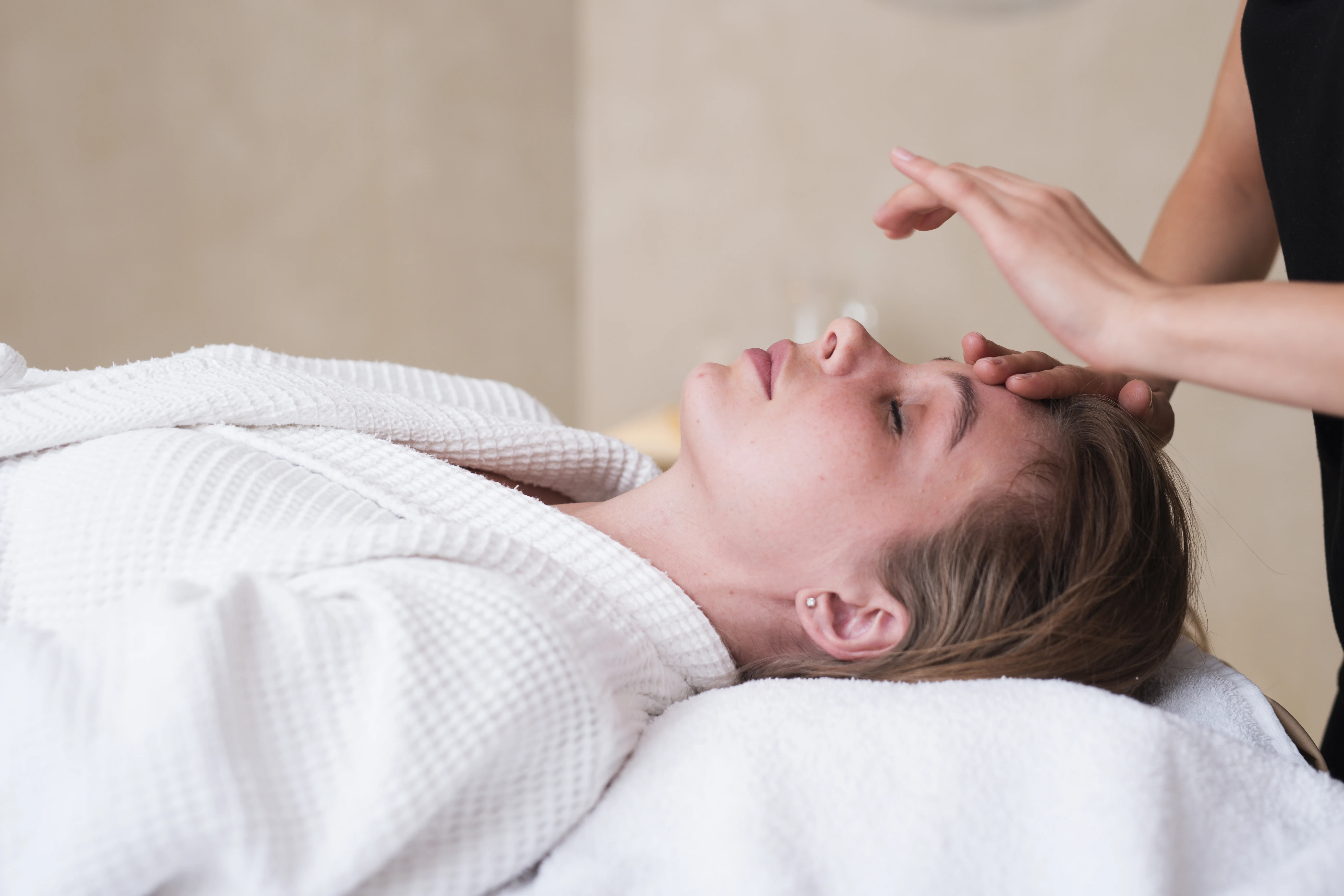
Zone Therapy divides the body into ten vertical zones, each linked to specific organs and glands, and uses targeted stimulation of the hands, feet, and face to restore balance to the areas connected within each zone.
- Session length
- 30–45 min
- Typical course
- 6–10 typical
- Intensity
- Gentle
- Suitable for
- Gentle whole-body support without side effects
How it helps
- Relieves stress and tension
- Improves digestion and detoxification
- Boosts energy and mood
- Enhances immune response
- Promotes whole-body wellness without side effects
Often chosen for
Tap a condition to see the full condition guide.
What is Zone Therapy?
Zone Therapy is a natural healing method built on the idea that the body is divided into ten vertical zones — five on each side of an invisible centre line running from head to toe. Each zone corresponds to specific organs, glands, and muscles. By stimulating points within a zone, usually on the hands, feet, or face, the therapist aims to influence the related internal areas and restore balance to the body as a whole.
It is the framework from which modern reflexology grew, and within KiLiK therapy it remains a gentle, versatile way to reach internal systems through simple external touch.
How it works
The theory is that each zone contains a pathway of nerves linking particular areas of skin — the toes and fingers especially — to deeper organs. When a zone becomes blocked, the body may experience pain or dysfunction in the corresponding organ. Applying pressure or stimulation along the zone helps unblock these pathways, improving communication between the brain and the body and allowing normal function to return.
Because the work is done on easily reached surfaces like the feet and hands, sessions feel closer to a soothing massage than a clinical treatment — yet their reach extends throughout the body.
What it can do for you
Regular zone therapy relieves stress and tension, supports digestion and the body's natural detoxification, and gives energy and mood a noticeable lift. Clients also find it strengthens immune response over time. Perhaps its greatest appeal is that it promotes whole-body wellness entirely without side effects — just skilled hands, applied in the right places.
What a session looks like
- 1
Identifying your zones
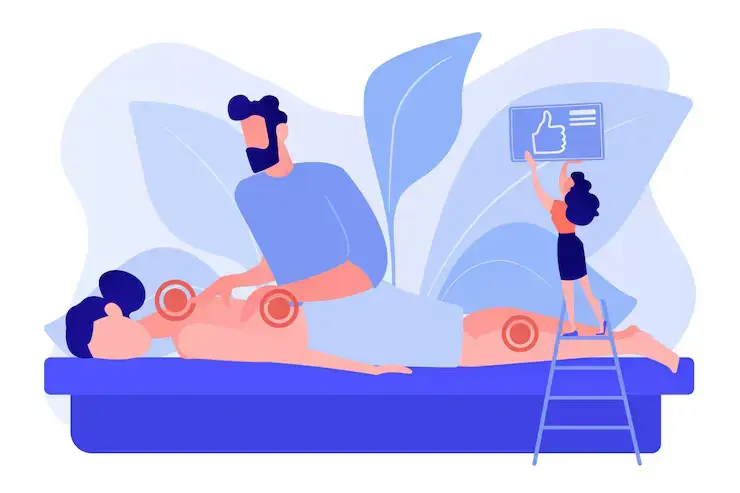
The therapist maps your concerns onto the body's ten vertical zones, locating the points on the hands, feet, or face that connect to the organs needing support.
- 2
Stimulating the pathway
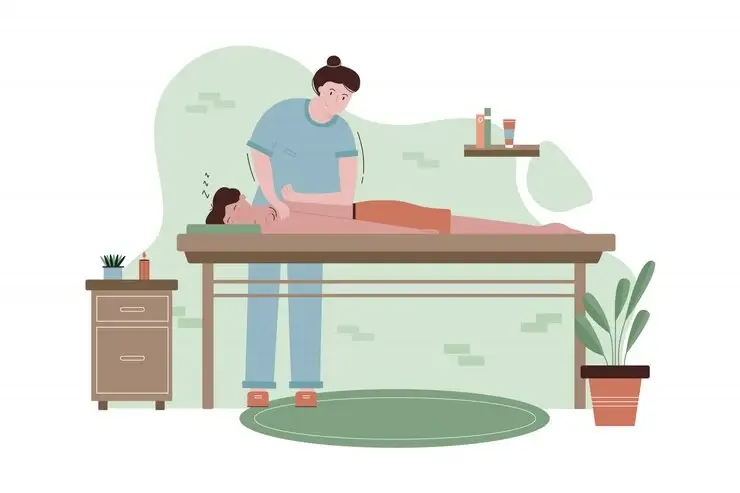
Steady pressure and stimulation are applied along the chosen zone, working the nerve pathway that links the skin surface to the deeper organs.
- 3
Releasing the blockage
Blocked areas are worked patiently until tension gives way, helping restore clear communication between brain and body.
- 4
Whole-body rebalancing
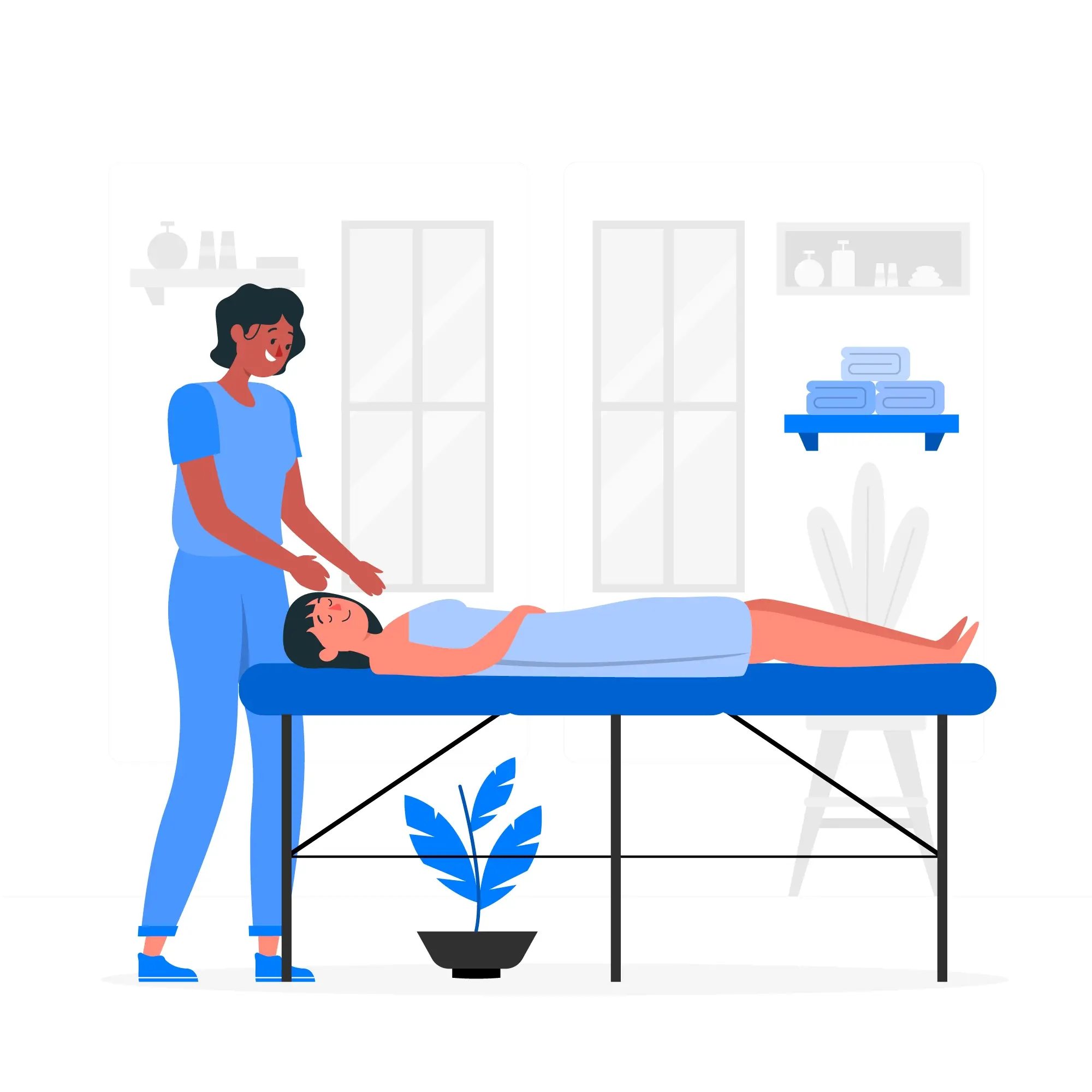
The session finishes by balancing both sides of the body, leaving you rested, lighter, and more energised.
Zone Therapy — common questions
How is zone therapy different from reflexology?+−
They are close relatives. Zone therapy is the older framework, dividing the body into ten vertical zones running head to toe; reflexology refined this into detailed maps of the feet and hands. Both stimulate surface points to influence connected organs.
What does a session feel like?+−
Gentle and deeply relaxing. Most work happens on the feet, hands, or face, and many clients describe feeling both calmer and more energised afterwards.
How quickly will I notice a difference?+−
Relaxation is usually immediate. For concerns like digestion, sinus congestion, or menstrual discomfort, improvement typically builds over a course of regular sessions.
Related therapies
Pressure & Point Therapy
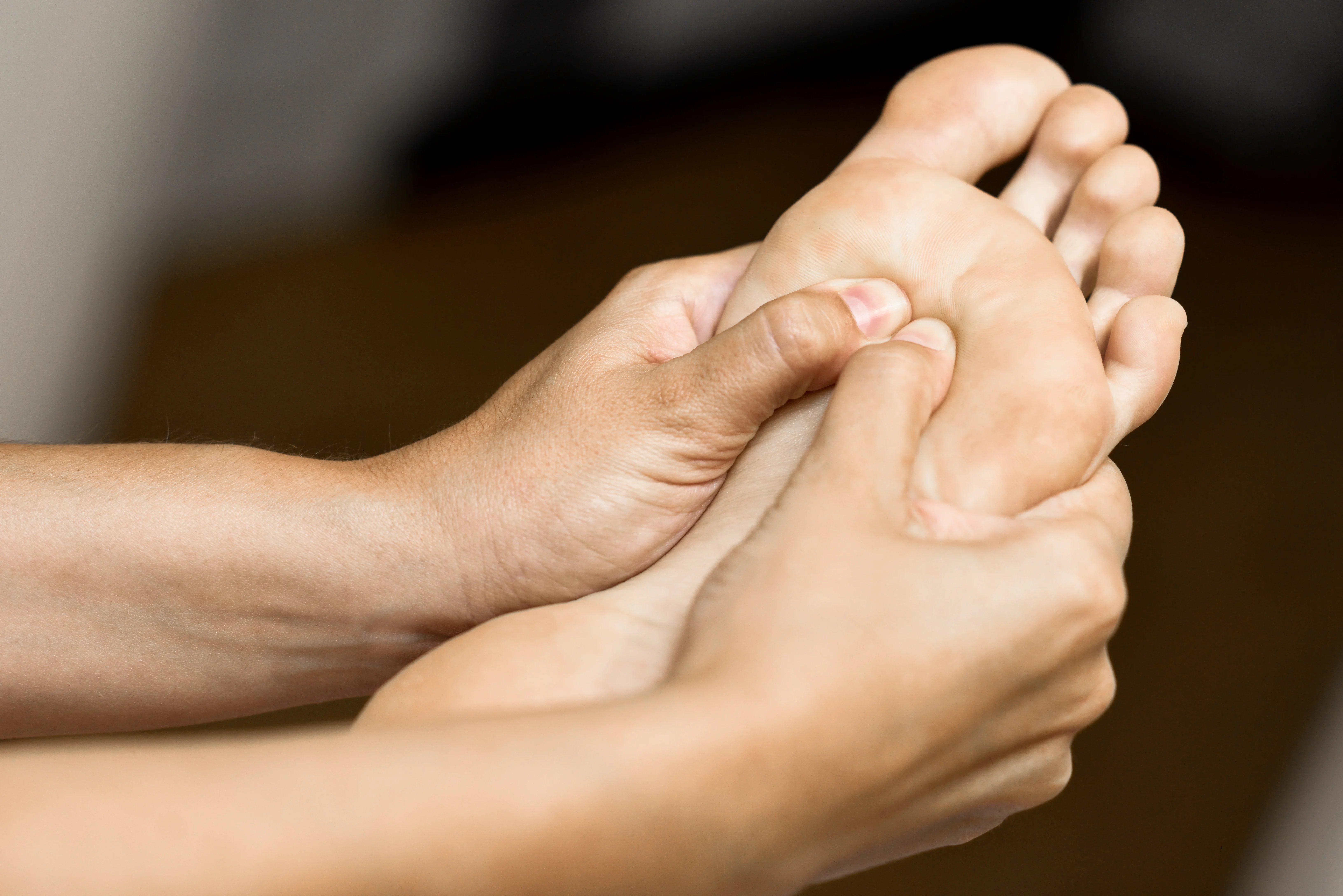
Reflexology
Reflexology applies precise pressure to reflex zones on the feet and hands that correspond to your internal organs, encouraging relaxation, healthy circulation, and balance throughout the whole body.
Explore
Pressure & Point Therapy
Acupressure
Acupressure uses firm, targeted finger pressure on specific points of the body to ease pain, calm stress, and restore healthy energy flow — the benefits of acupuncture, without needles.
Explore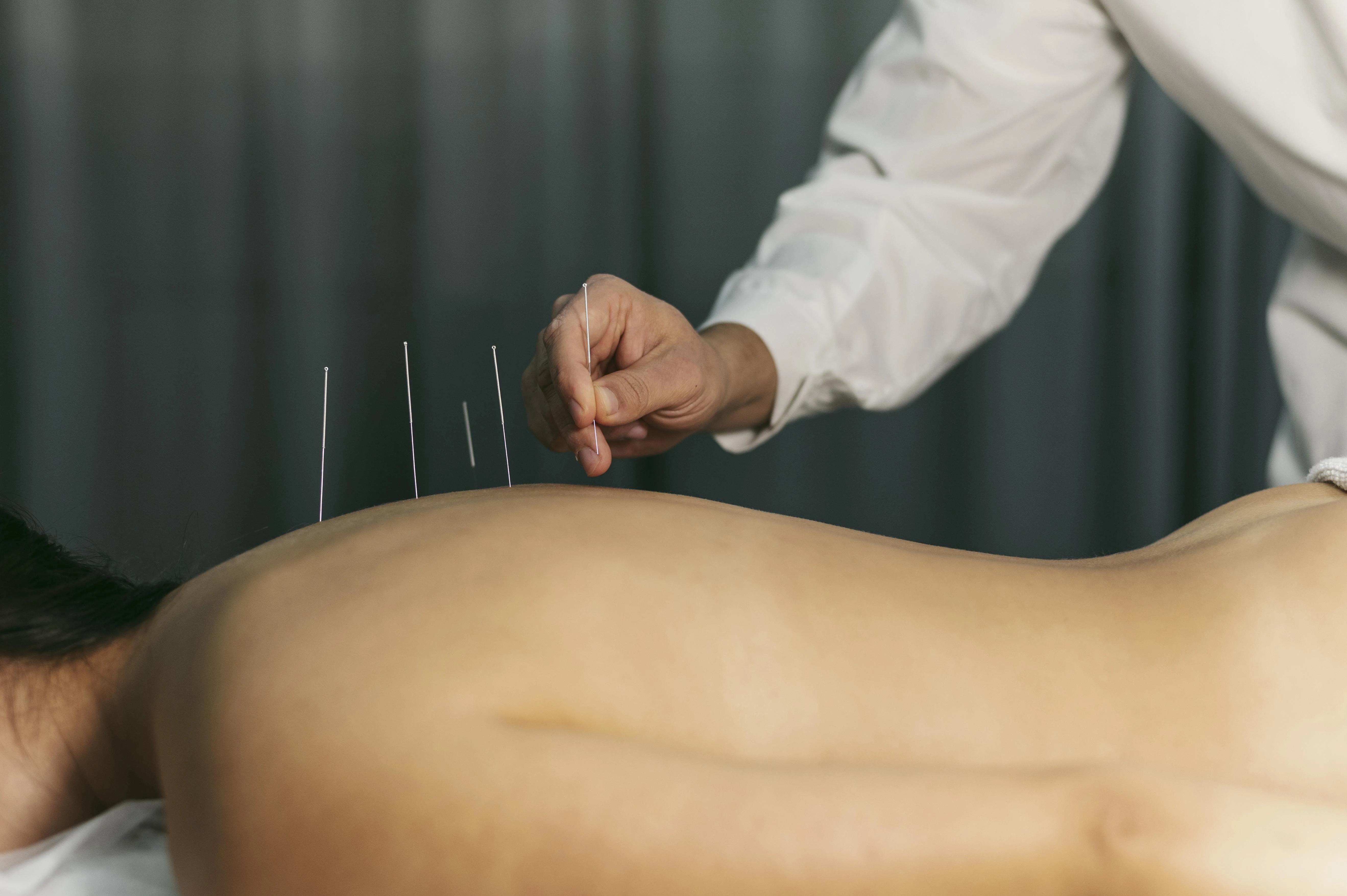
Energy & Traditional
Chinese Meridian Therapy
Rooted in Traditional Chinese Medicine, Chinese Meridian Therapy balances the body's energy pathways — the meridians — to relieve pain and fatigue and restore natural vitality.
ExploreExperience Zone Therapy at Thangajam Munril
Sessions are held at Thangajam Munril, our multidisciplinary centre in Dindigul, conducted by ALMAYA Coz Raja.