Energy & Traditional
Sun Rays Cell Regeneration Atharvangirasa Healing
Atharvangirasa Healing draws on the Vedic tradition of solar therapy, using safely timed morning sunlight, breathwork, and quiet contemplation to recharge the body's energy, lift mood, and support natural cell renewal.
- Session length
- 30–45 min
- Typical course
- 6–10 typical
- Intensity
- Gentle
- Suitable for
- Most ages, including older adults; especially helpful for those who spend long days indoors
How it helps
- Supports healthy vitamin D levels through safe, timed sun exposure
- Helps steady the body's natural sleep–wake rhythm
- Lifts mood and eases the heaviness of low, dull days
- Recharges energy levels depleted by indoor, screen-bound routines
- Combines sunlight with breathwork for a calm, settled nervous system
- Encourages the body's natural processes of repair and renewal
Often chosen for
Tap a condition to see the full condition guide.
What is Atharvangirasa Healing?
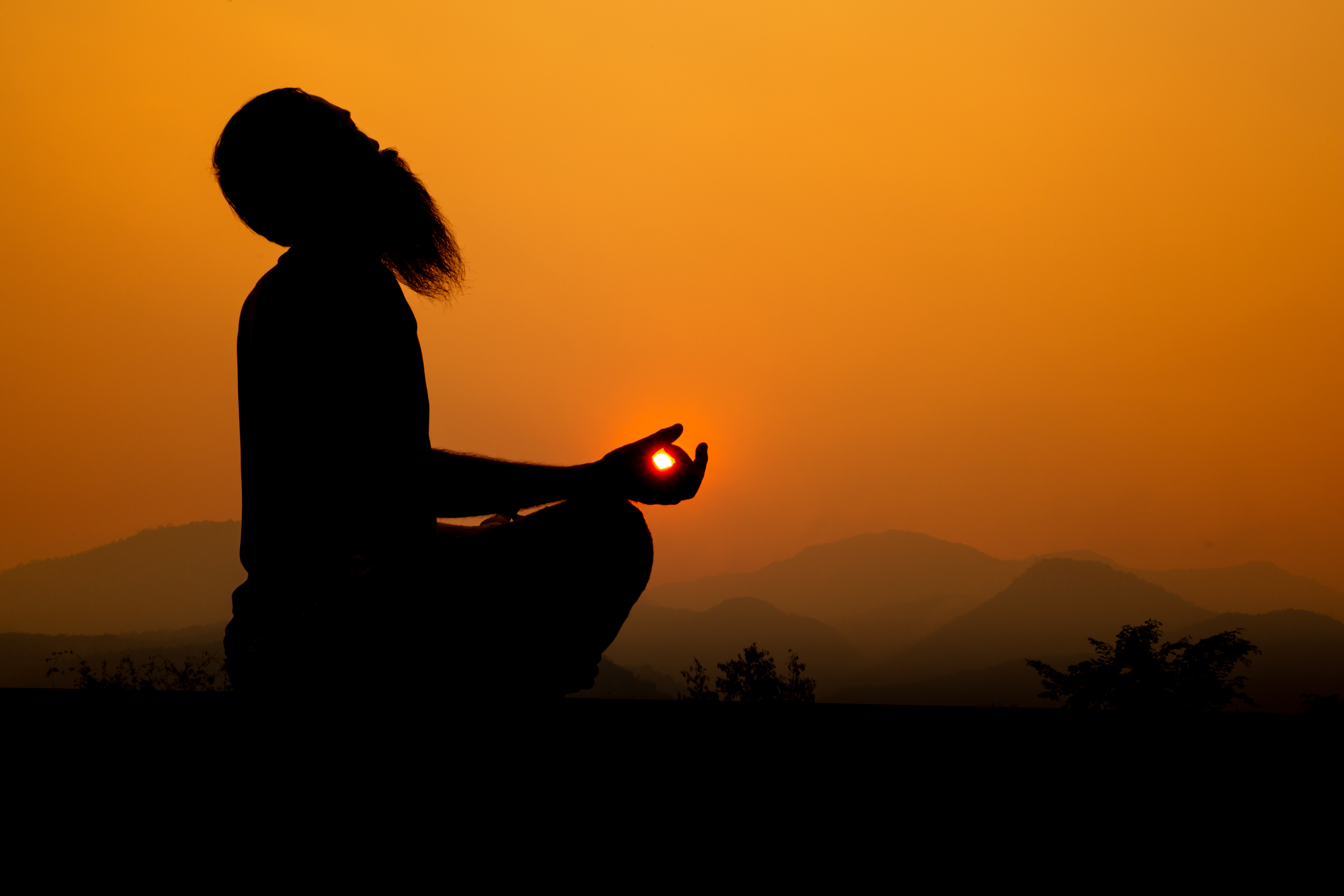
Sun Rays Cell Regeneration Atharvangirasa Healing is a guided solar therapy rooted in India's Vedic tradition. Its name honours the sages Atharvan and Angiras of the Atharva Veda, in which the sun is revered as a fundamental source of life and healing. The practice itself is simple and deliberate: at carefully chosen hours, you sit in gentle sunlight with closed eyes, breathing slowly while your practitioner guides your attention to the warmth and light on your skin.
It is less a treatment done to you than a practice you are led through — sunlight, breath, and quiet attention working together.
How it works
The tradition describes sunlight as carrying prana, the vital energy that animates the body; absorbing it consciously is said to recharge depleted reserves and stir the body's deepest processes of renewal. Modern understanding runs comfortably alongside: morning light is the master signal that sets our circadian clock, sensible skin exposure drives vitamin D production, and bright natural light has a well-documented lifting effect on mood. For people whose days pass indoors under artificial light, a structured return to the sun can be quietly transformative.
What a session feels like
Sessions happen in the soft light of early morning or late afternoon, never under a harsh midday sun. You settle into a comfortable seat facing the light, close your eyes, and follow your practitioner's slow breathing rhythm. Most people describe the experience as deeply restful — warmth spreading across the skin, the glow of light through closed eyelids, thoughts gradually going quiet. The session closes in shade with a few minutes of stillness, and many find the calm, recharged feeling lasts well into the day.
What a session looks like
- 1
Choosing the right hour
Sessions are timed for the gentle sun of early morning or late afternoon, when light is rich but mild — never the harsh midday hours.
- 2
Settling into position
You sit or stand comfortably facing the light with eyes closed, and your practitioner guides you into a slow, easy breathing rhythm.
- 3
Guided sun absorption
With breath and quiet attention, awareness is drawn to the warmth on the skin, traditionally understood as drawing the sun's vitality — prana — into the body.
- 4
Contemplative closing
The session ends in shade with a few minutes of stillness and, in the traditional style, a moment of gratitude — letting the warmth and calm settle in fully.
Sun Rays Cell Regeneration Atharvangirasa Healing — common questions
Where does the name Atharvangirasa come from?+−
It honours the Vedic sages Atharvan and Angiras, associated with the Atharva Veda, one of India's oldest scriptures. That tradition treats the sun as a primary source of healing energy, and this practice continues its lineage of solar contemplation in a gentle, structured form.
What does "cell regeneration" actually mean here?+−
It reflects the traditional understanding that sunlight revitalises the body at its deepest level. In modern terms, sensible sun exposure genuinely does support vitamin D production, steadier circadian rhythms, and better sleep — all of which help the body carry out its everyday repair and renewal.
Can I practise this if I have sensitive skin?+−
Usually yes, with adjustments. Sessions already use only mild morning or late-afternoon light for short periods, and your practitioner can shorten exposure further or keep more skin covered. Mention any skin condition or photosensitising medication beforehand.
Related therapies
Elemental & Nature
Solar Colour Therapy
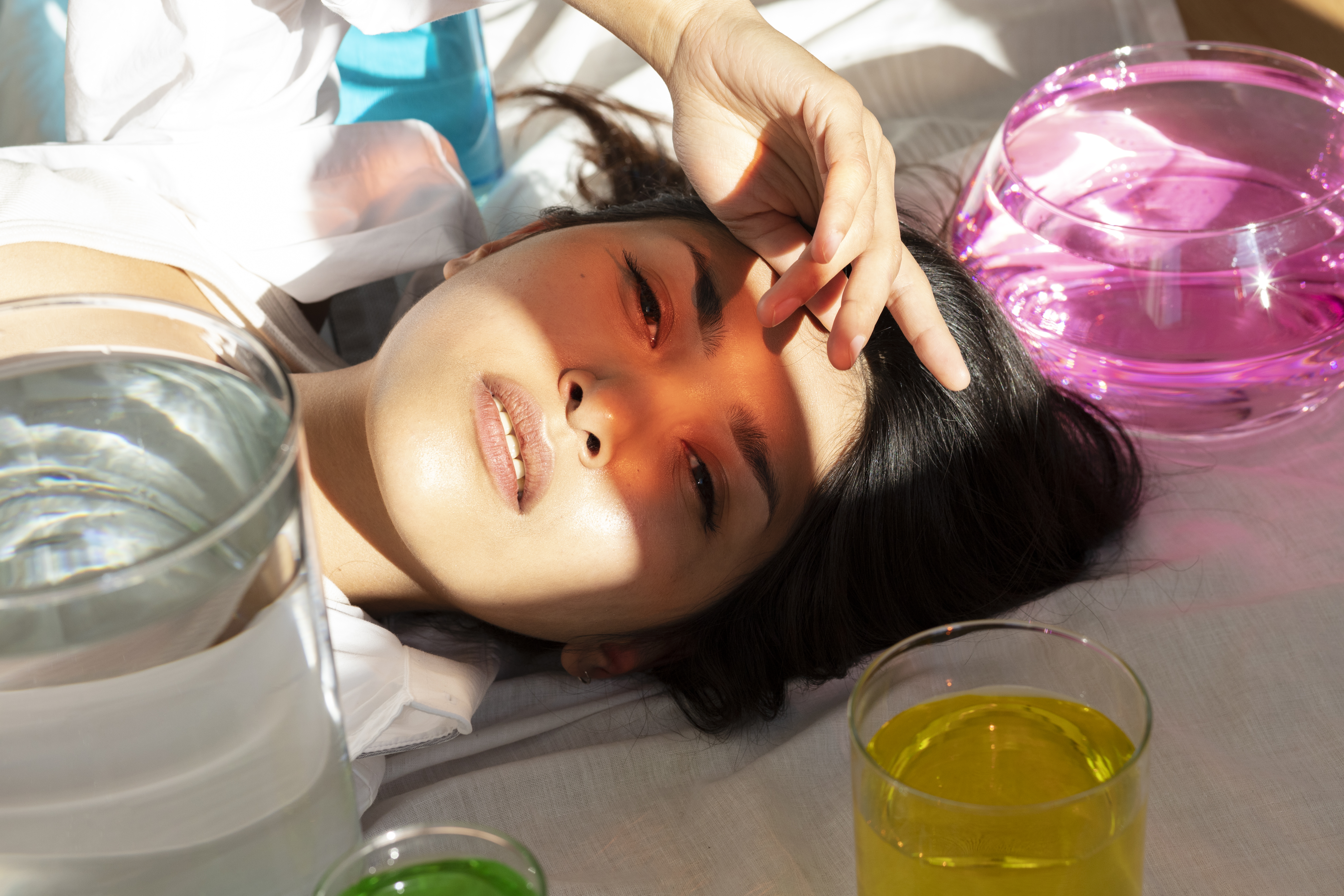
Solar Colour Therapy pairs the natural vitality of gentle sunlight with the calming and energising qualities of specific colours, helping to lift mood, steady sleep rhythms, and restore the body's natural balance.
Explore
Energy & Traditional
Wheel of Time Healing
Wheel of Time Healing is a rhythmic, cyclical therapy that aligns the body's energy with natural time-based patterns — combining gentle energy work, breathwork, and guided meditation for deep emotional release and lasting balance.
Explore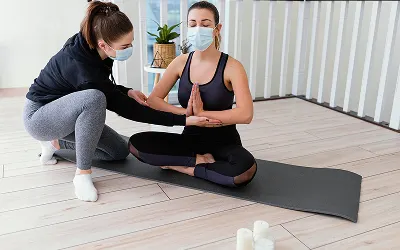
Energy & Traditional
Marma Immune Waves
Marma Immune Waves combines Ayurvedic marma-point therapy with wave-like rhythmic stimulation, pairing gentle movement and breath to awaken the body's energy points and strengthen its natural defences.
ExploreExperience Sun Rays Cell Regeneration Atharvangirasa Healing at Thangajam Munril
Sessions are held at Thangajam Munril, our multidisciplinary centre in Dindigul, conducted by ALMAYA Coz Raja.