Manual & Structural
Effleurage Therapy
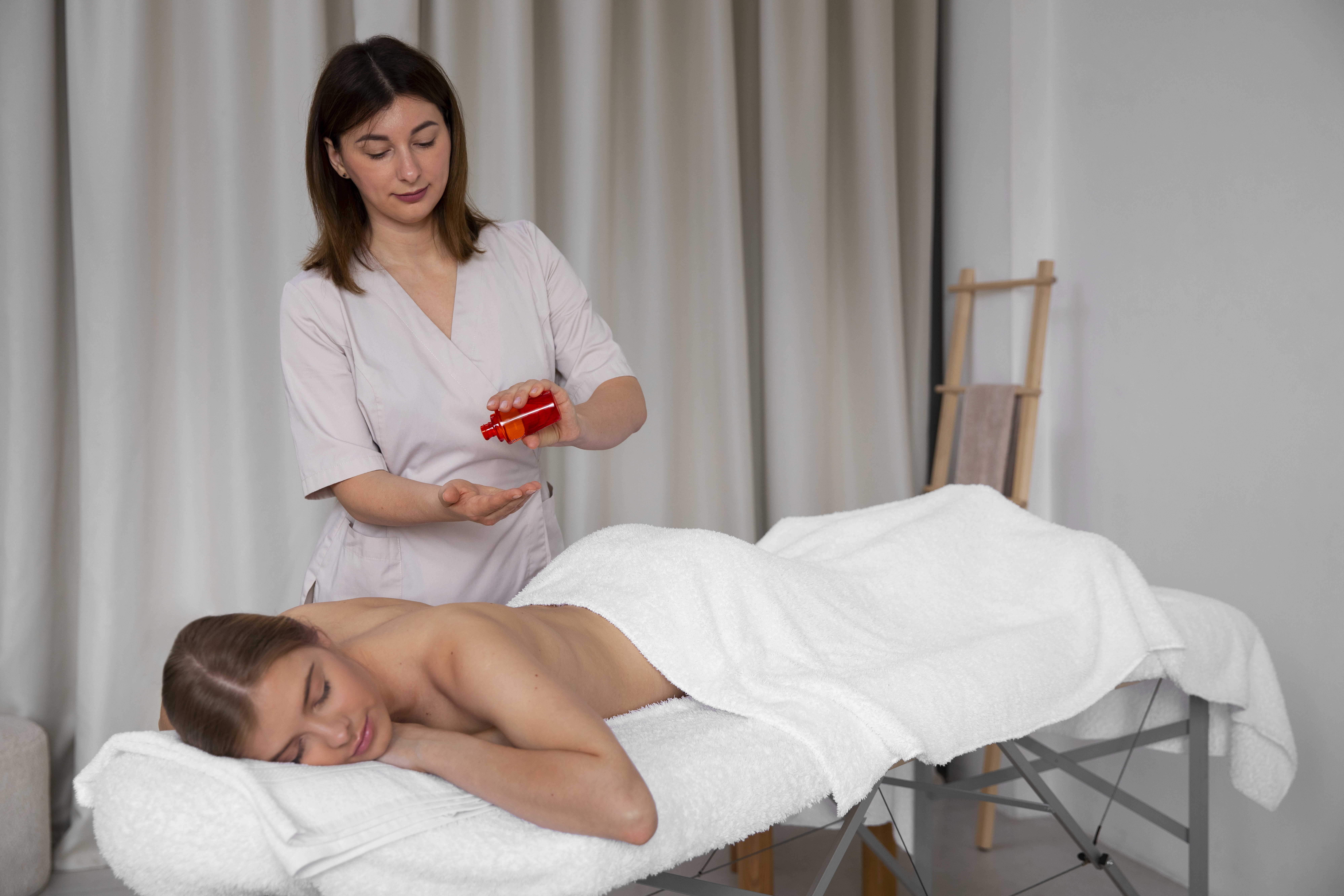
Effleurage Therapy uses long, gliding strokes with the palms and fingers to warm the tissue, boost circulation and lymph flow, and settle the nervous system into deep relaxation.
- Session length
- 30–45 min
- Typical course
- 6–10 typical
- Intensity
- Gentle
- Suitable for
- Almost everyone — a gentle first massage experience and a soothing option for sensitive or stressed bodies
How it helps
- Calms the nervous system and eases stress and anxiety
- Improves blood circulation and supports lymphatic drainage
- Warms and softens muscles, releasing surface tension
- Helps reduce mild swelling and heaviness in the limbs
- Prepares the body for deeper massage work
- Promotes better sleep and a lasting sense of calm
Often chosen for
Tap a condition to see the full condition guide.
What is Effleurage Therapy?
Effleurage takes its name from the French effleurer — "to skim" or "to touch lightly." It is the smooth, gliding stroke you probably picture when you imagine massage: warm palms travelling in long, unbroken lines along the back, limbs, or shoulders. In classic Swedish massage it is the stroke that opens and closes every session; in Effleurage Therapy it takes centre stage, used throughout as a complete treatment in its own right.
Because nothing about it is forceful, effleurage suits almost everyone — people new to massage, those with sensitive or stressed bodies, and anyone who simply needs to slow down.
How it works
The gliding strokes do two things at once. Physically, they move blood and lymph along the limbs — strokes are usually directed toward the heart — which improves circulation, eases mild swelling, and helps the body clear metabolic waste from tired muscles. Neurologically, the slow, rhythmic, predictable contact calms the stress response: heart rate settles, breathing deepens, and the muscles' resting tension drops. This is why a session that never presses hard can still leave the whole body feeling looser.
What a session feels like
Your therapist begins with the lightest of contact, spreading warm oil in slow sweeps. As your tissue warms and softens, the strokes lengthen and deepen slightly, flowing in continuous rhythm — there are no sudden movements and no breaks in contact. Many people drift toward sleep. Toward the end the pressure lightens again, closing the session the way it began. You leave warm, unhurried, and noticeably calmer, and the effect on sleep that night is often the first benefit people mention.
What a session looks like
- 1
Warming the tissue
The session opens with light, slow strokes using the whole palm, spreading oil and letting the skin and surface muscles gradually warm and soften.
- 2
Long gliding strokes
The therapist glides hands smoothly along the length of the muscle — typically toward the heart — in continuous, rhythmic movements that encourage blood and lymph flow.
- 3
Graded depth
Pressure deepens gently as the tissue relaxes, moving from feather-light skin contact to firmer, broader strokes, always fluid and unbroken.
- 4
Soothing close
Strokes gradually become lighter and slower again, leaving the body settled, warm, and deeply relaxed at the end of the session.
Effleurage Therapy — common questions
How does Effleurage Therapy work?+−
The long, rhythmic gliding strokes stimulate blood flow and lymph movement while signalling the nervous system to shift into its rest-and-repair state. The combination eases muscle tension, reduces heaviness in the limbs, and produces deep relaxation.
Is effleurage the same as Swedish massage?+−
Effleurage is one of the five classic Swedish massage strokes — the smooth, gliding one. In Effleurage Therapy it becomes the main technique of the session, rather than just the warm-up.
Will it be strong enough to help real muscle tension?+−
For surface tension, stress-related tightness, and circulation, yes — gentleness is its strength. For deep knots, your therapist may recommend combining it with firmer techniques such as petrissage or friction work.
Related therapies
Manual & Structural
Petrissage Technique
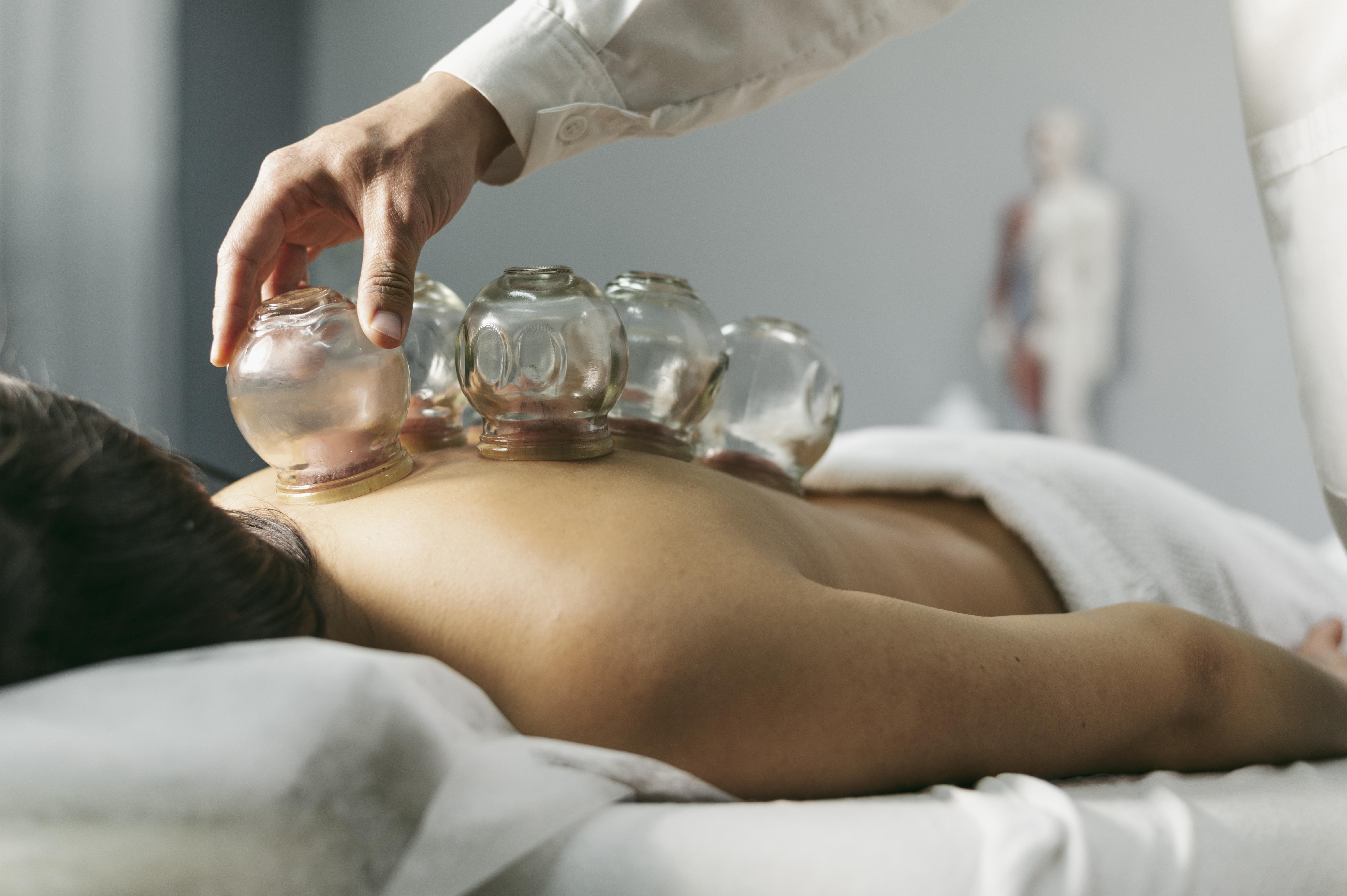
Petrissage uses rhythmic kneading, lifting, and rolling of the muscles to release deep-seated tension, boost circulation, and help tired tissue recover — the classic massage stroke that works below the surface.
Explore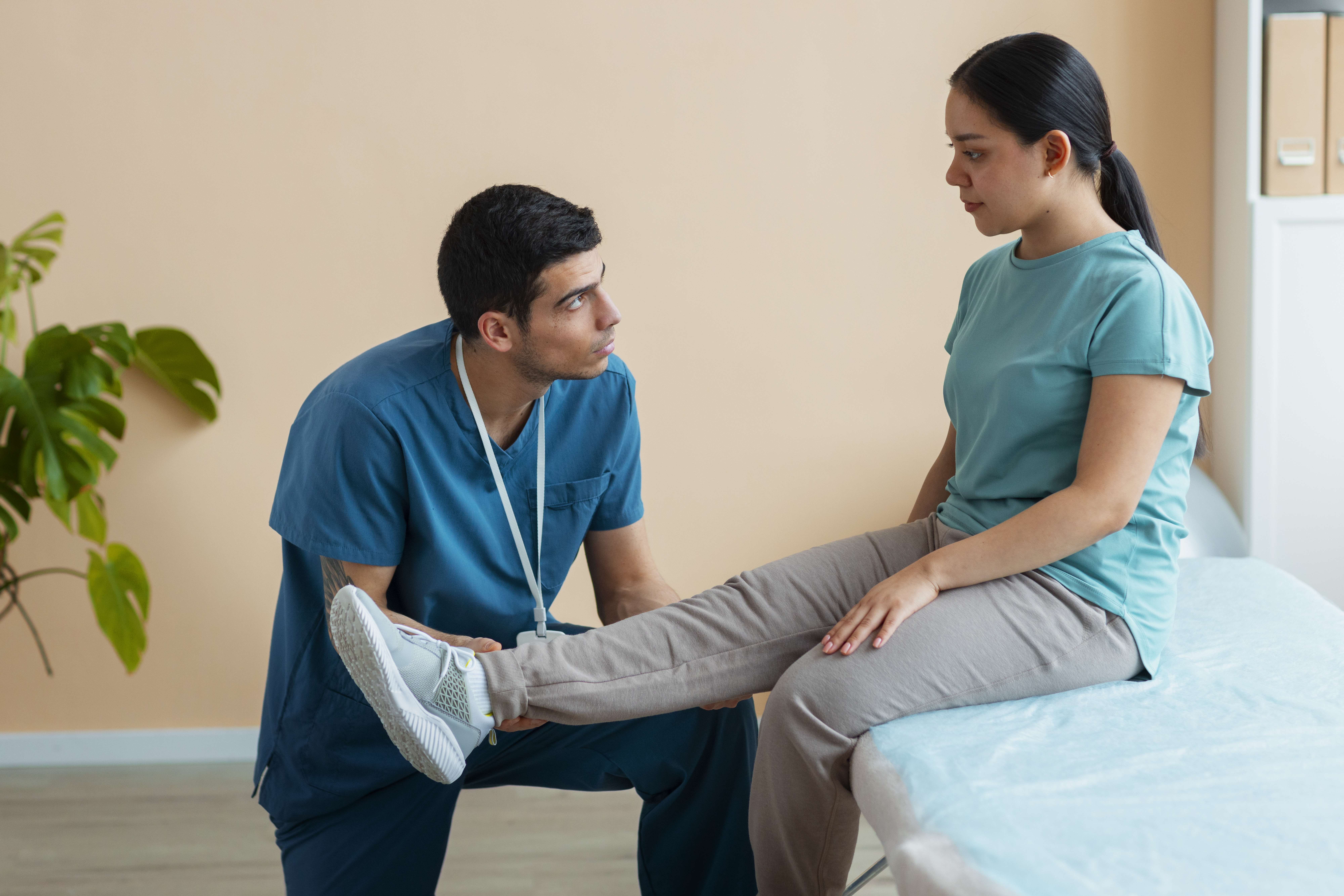
Manual & Structural
Tapotement
Tapotement is rhythmic percussion massage — brisk hacking, cupping, and tapping strokes that wake up circulation, invigorate tired muscles, and help loosen congestion in the chest.
Explore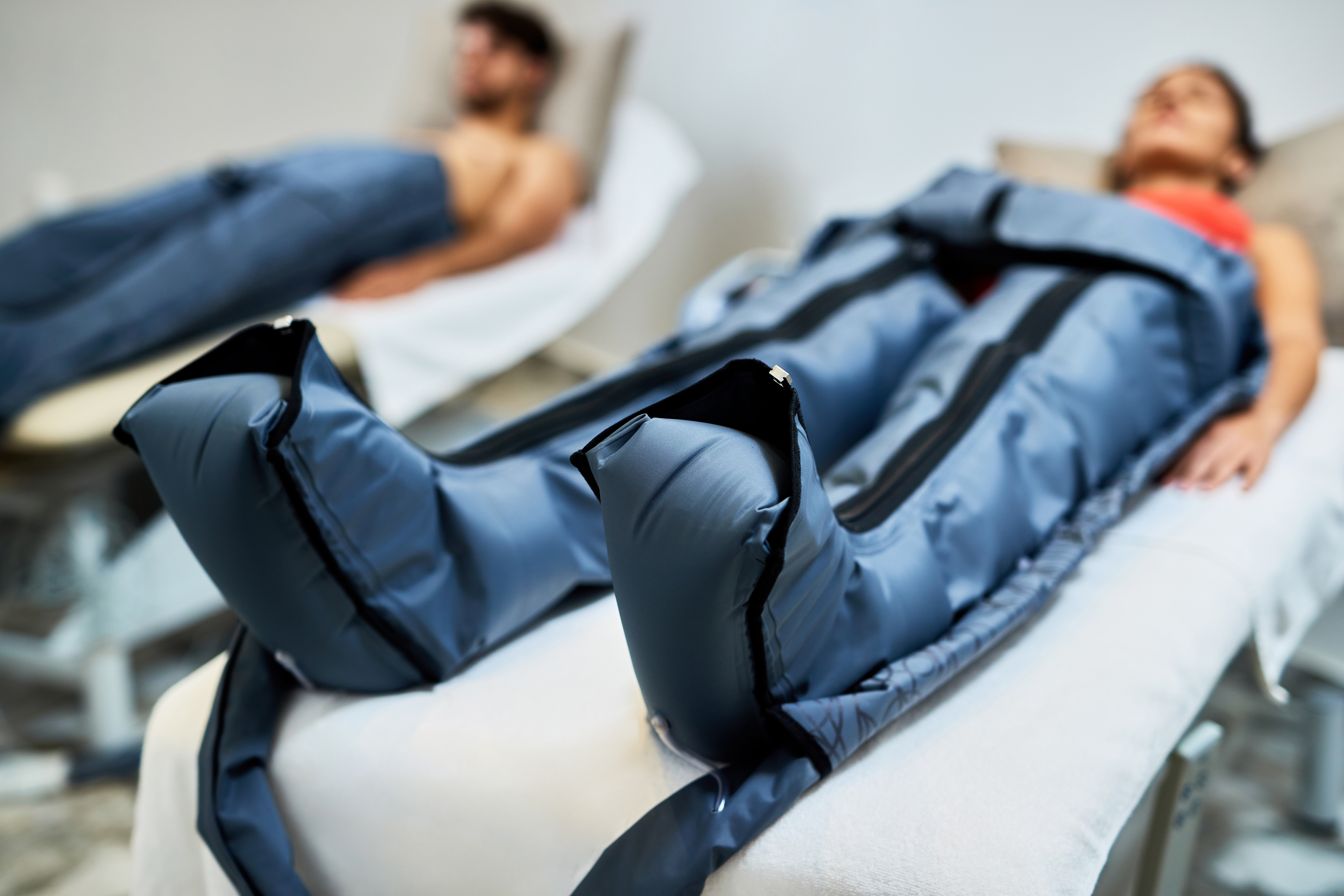
Manual & Structural
Lymph Drainage
Lymph Drainage uses feather-light, rhythmic strokes that follow the body's lymphatic pathways, helping clear excess fluid and waste, reduce puffiness and swelling, and gently strengthen the body's natural defences.
ExploreExperience Effleurage Therapy at Thangajam Munril
Sessions are held at Thangajam Munril, our multidisciplinary centre in Dindigul, conducted by ALMAYA Coz Raja.