Manual & Structural
Tapotement
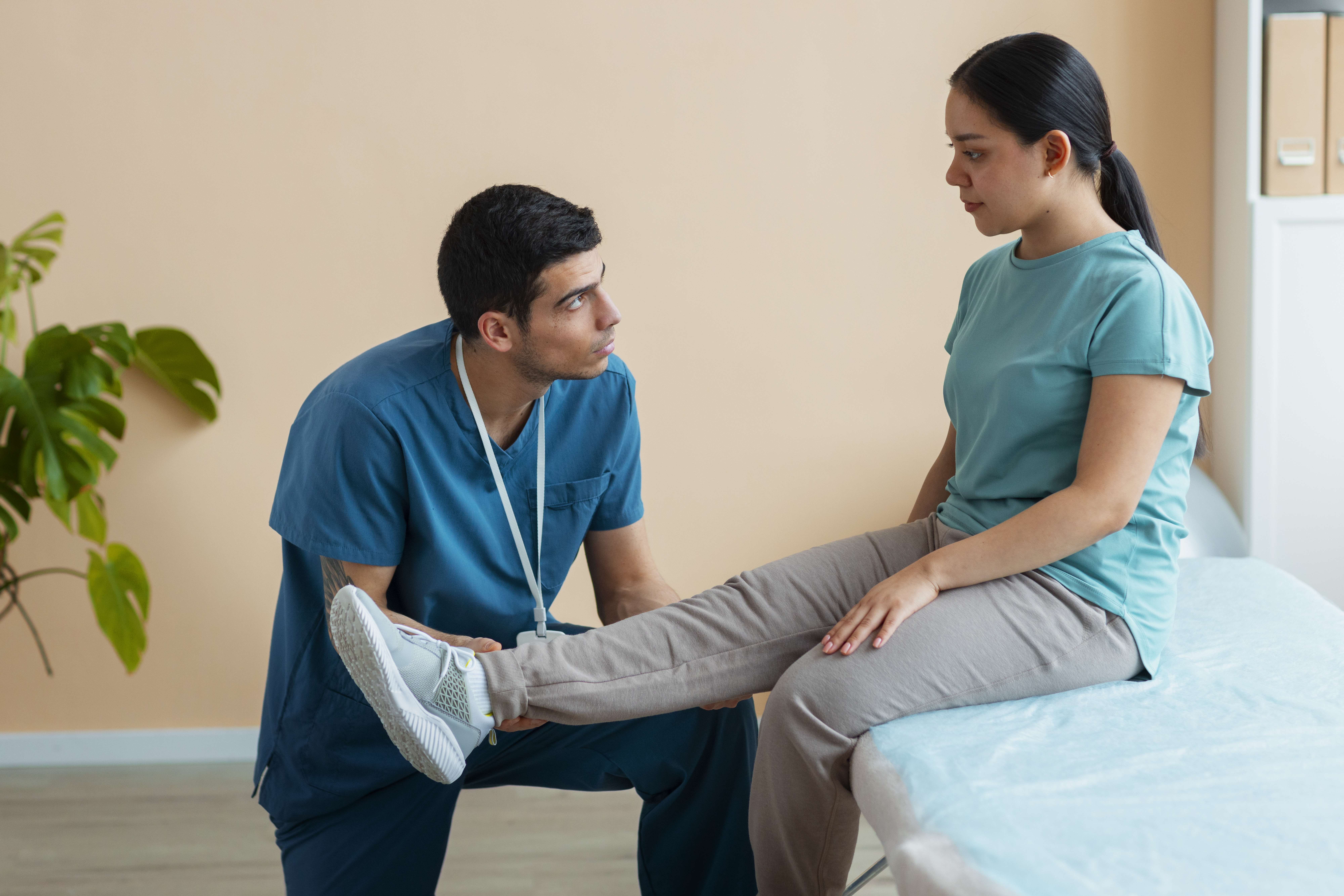
Tapotement is rhythmic percussion massage — brisk hacking, cupping, and tapping strokes that wake up circulation, invigorate tired muscles, and help loosen congestion in the chest.
- Session length
- 30–45 min
- Typical course
- 6–10 typical
- Intensity
- Gentle
- Suitable for
- People with tired, heavy muscles, athletes before or after activity, and those needing help clearing chest congestion
How it helps
- Stimulates blood flow and warms muscles quickly
- Invigorates and energises tired, heavy limbs
- Helps loosen mucus in the chest when applied over the back
- Reduces muscle heaviness after exercise and supports recovery
- Stimulates nerve endings and awakens sluggish tissue
- Adds a refreshing, wake-up finish to a massage session
Often chosen for
Tap a condition to see the full condition guide.
What is Tapotement?
Tapotement — from the French tapoter, "to tap" — is the percussion family of massage strokes: rhythmic, springy strikes delivered with the edges of the hands, cupped palms, fingertips, or soft fists. It is one of the five classical strokes of Swedish massage, and the most invigorating of them. Where gliding and kneading strokes soothe and soften, tapotement wakes the body up — drawing fresh blood to the surface, stimulating the nerves, and leaving muscles feeling light and alive.
How it works
Each strike briefly compresses the tissue and releases it, over and over in quick rhythm. That pumping action floods the muscles with fresh circulation and gives the nervous system a gentle, energising stimulus — the same reason athletes have their legs "drummed" before an event. Applied with cupped hands over the back, the strikes send soft vibrations through the ribcage that help loosen mucus clinging to the airways, which is why cupping percussion has long been used to support people with chest congestion. Brief tapotement stimulates; done a little longer over a warmed muscle, it can help the muscle release and relax.
What a session feels like
Your therapist always prepares the area first with warming, gliding strokes — percussion never lands on cold tissue. Then the rhythm begins: light hacking with the edges of the hands across the shoulders and back, hollow-sounding cupping over the ribcage, fingertip tapping on smaller areas, and gentle pounding on the big muscles of the legs. The wrists stay loose, so every strike is springy rather than heavy. Most people are surprised by how pleasant it feels — like a brisk, musical drumming — and by the wave of warmth and energy that follows. The session closes with slow strokes that let everything settle.
What a session looks like
- 1
Preparing the tissue
The area is first warmed with gliding effleurage strokes, so the percussion lands on relaxed, well-circulated muscle rather than cold tissue.
- 2
Hacking
Using the outer edges of the hands, the therapist delivers light, rapid chopping strokes over the fleshy muscles — brisk, springy, and rhythmic, never on bone.
- 3
Cupping
The hands form a gentle cup shape and strike with a hollow, drum-like sound. Applied over the back, cupping is the classic technique for loosening chest congestion.
- 4
Tapping and pounding
Fingertip tapping brings light stimulation to smaller or more delicate areas, while soft, loose fists gently pound larger muscles such as the thighs and buttocks.
- 5
Settling strokes
The percussion finishes with slow, soothing strokes so the stimulated tissue settles and you leave energised rather than jangled.
Tapotement — common questions
How does Tapotement work?+−
The rapid, rhythmic strikes create quick compressions in the tissue that draw fresh blood into the muscles, stimulate nerve endings, and — over the ribcage — set up vibrations that help loosen mucus in the airways. The result is warmed, awakened tissue and a distinctly energised feeling.
Does Tapotement hurt?+−
No. Although it looks vigorous, the strokes are light, springy, and delivered with relaxed wrists over well-muscled areas. It should feel like a brisk, pleasant drumming — tell your therapist immediately if anything feels sharp or sore.
When is Tapotement used in a session?+−
Usually after the muscles have been warmed with gliding and kneading strokes, and often near the end of a massage when an energising finish is wanted — or before sport, to wake the muscles up.
Related therapies
Manual & Structural
Effleurage Therapy
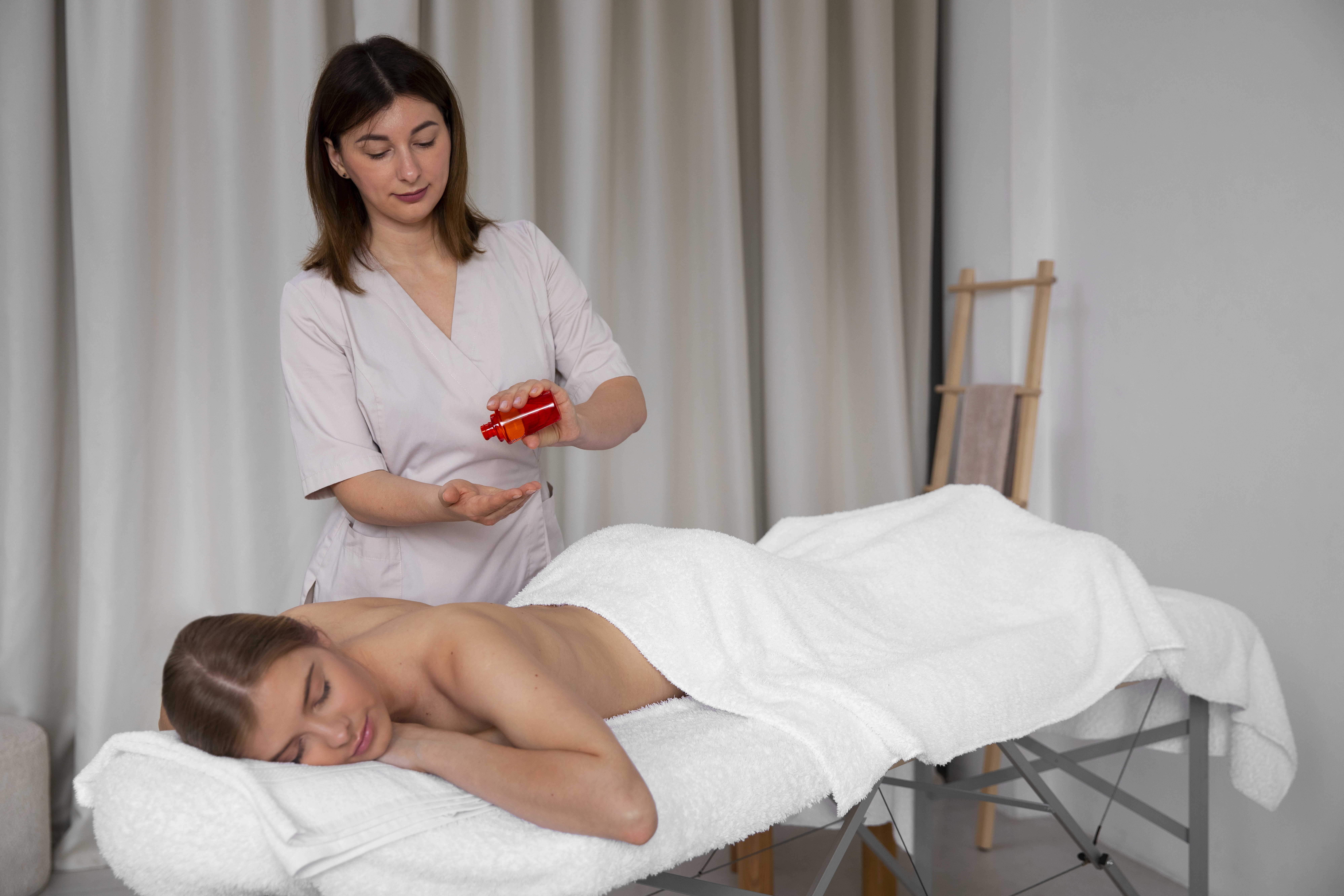
Effleurage Therapy uses long, gliding strokes with the palms and fingers to warm the tissue, boost circulation and lymph flow, and settle the nervous system into deep relaxation.
Explore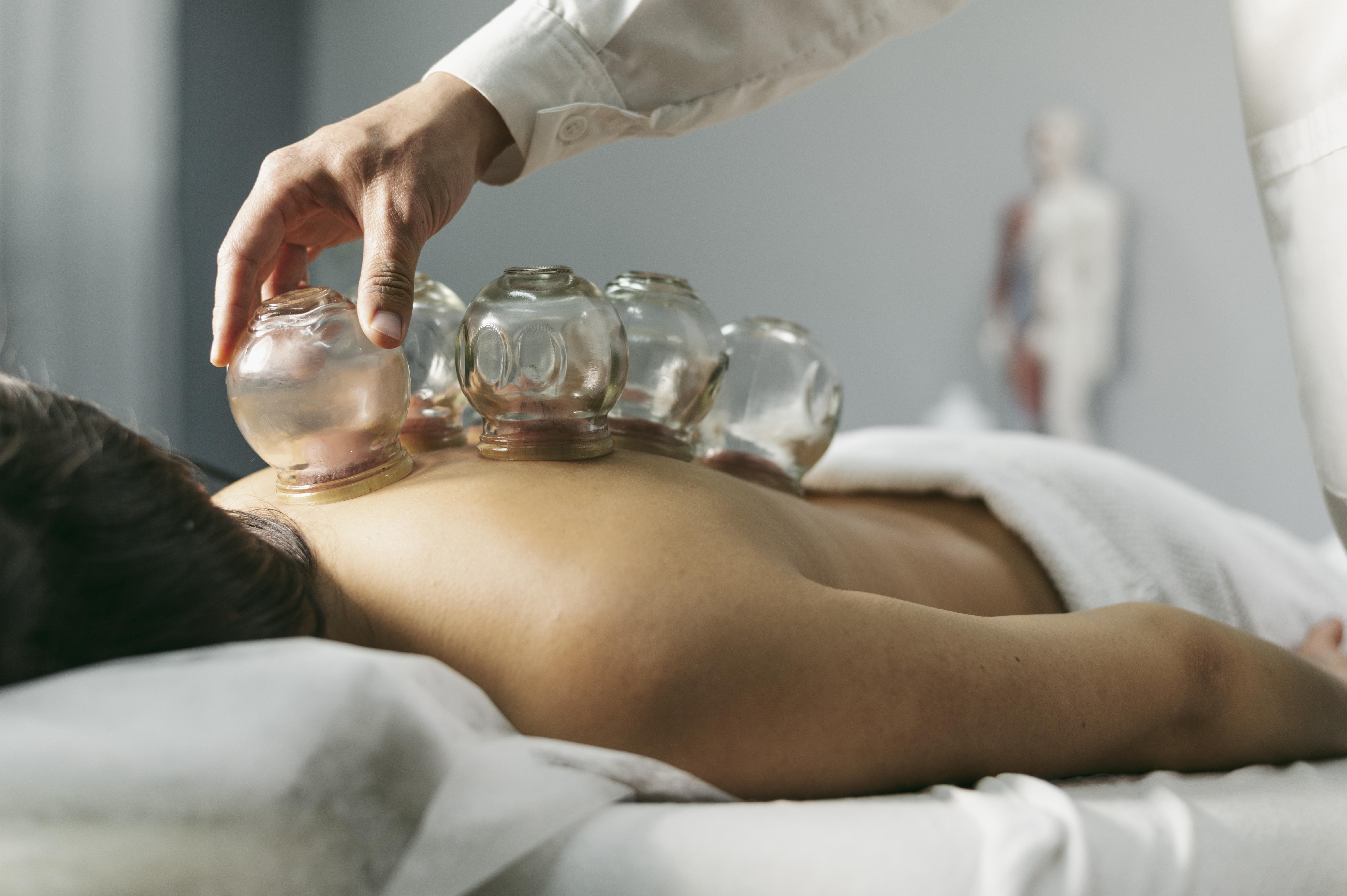
Manual & Structural
Petrissage Technique
Petrissage uses rhythmic kneading, lifting, and rolling of the muscles to release deep-seated tension, boost circulation, and help tired tissue recover — the classic massage stroke that works below the surface.
Explore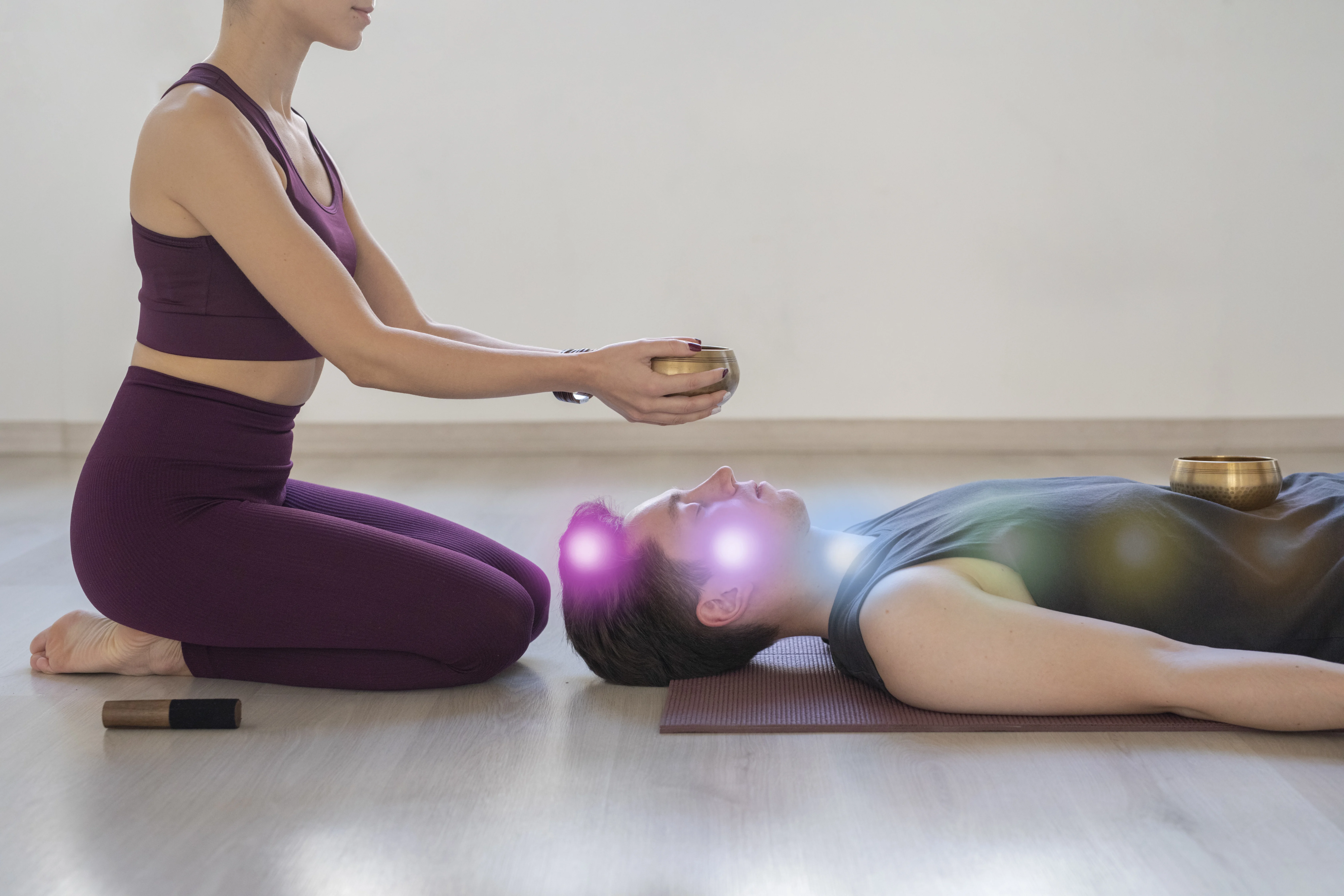
Manual & Structural
Tuina Tapping
Tuina tapping is a traditional Chinese hands-on therapy that uses kneading, rolling, pressing, and rhythmic tapping to stimulate the flow of Qi through the meridians, restoring balance and easing specific health complaints.
ExploreExperience Tapotement at Thangajam Munril
Sessions are held at Thangajam Munril, our multidisciplinary centre in Dindigul, conducted by ALMAYA Coz Raja.