Manual & Structural
Lymph Drainage
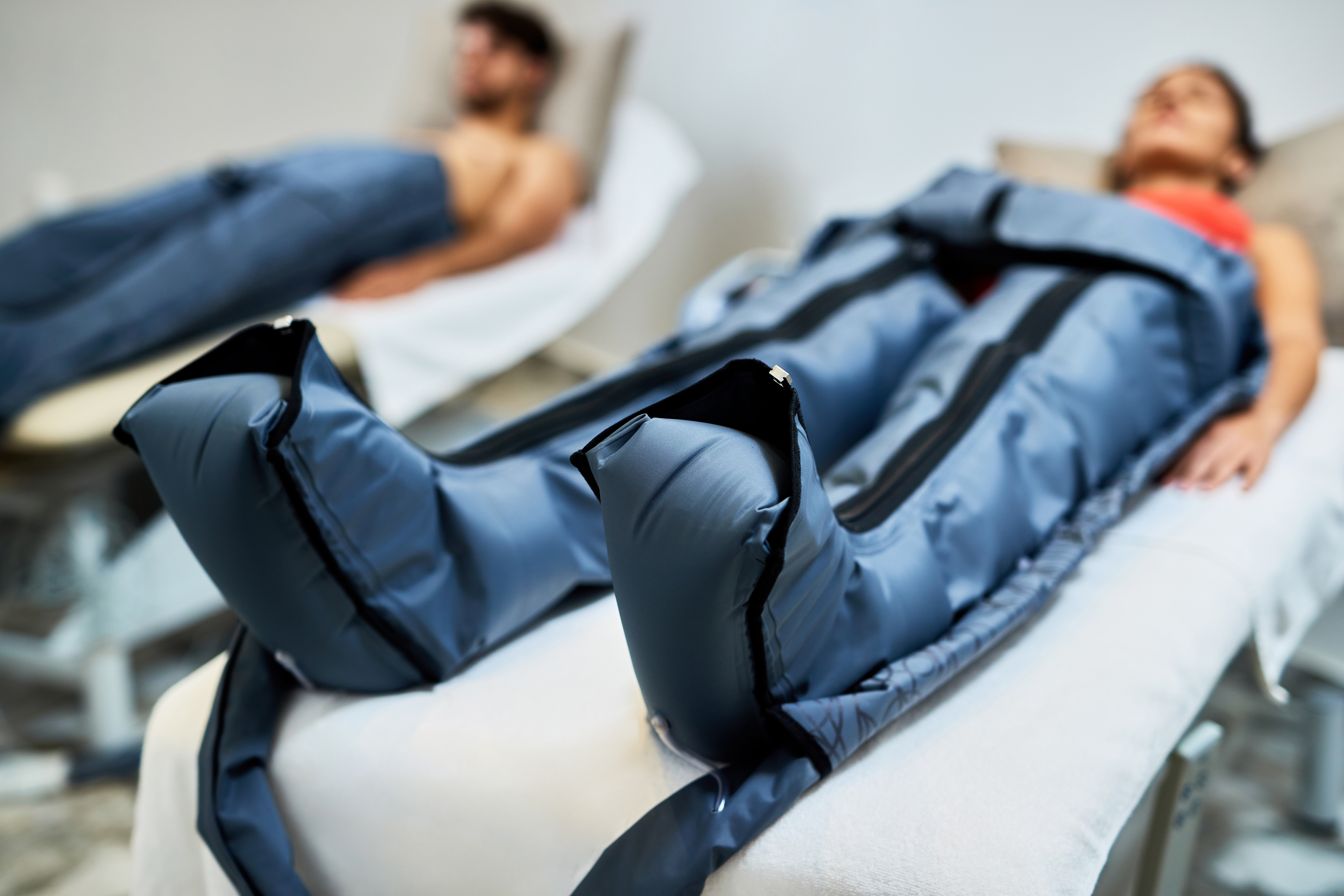
Lymph Drainage uses feather-light, rhythmic strokes that follow the body's lymphatic pathways, helping clear excess fluid and waste, reduce puffiness and swelling, and gently strengthen the body's natural defences.
- Session length
- 30–45 min
- Typical course
- 6–10 typical
- Intensity
- Gentle
- Suitable for
- People with fluid retention, puffiness, sluggish circulation, frequent minor illness, or heavy, tired legs
How it helps
- Reduces fluid retention, puffiness, and mild swelling
- Supports the body's natural detoxification and waste clearance
- Gently strengthens immune function by keeping lymph moving
- Relieves heavy, tired legs and eases pressure around varicose veins
- Deeply calming — many people find it the most relaxing therapy of all
- Can brighten skin and reduce facial puffiness
Often chosen for
Tap a condition to see the full condition guide.
What is Lymph Drainage?
Lymph Drainage is a specialised, extremely gentle form of manual therapy that supports one of the body's quietest and hardest-working systems: the lymphatic system. This network of fine vessels and nodes collects excess fluid, waste products, and toxins from the tissues and filters them out, while also transporting the immune cells that defend you against illness.
Unlike the bloodstream, the lymphatic system has no pump of its own. It depends on breathing, muscle movement, and the natural elasticity of the vessels — which means long sedentary days, illness, surgery, or hormonal changes can leave it sluggish. The result is familiar to many: puffy ankles, a bloated feeling, heavy legs, dull skin, or simply feeling run-down.
How it works
The therapy uses slow, rhythmic, feather-light strokes applied in the direction of lymph flow, always moving toward the major lymph node groups. The session begins by gently stimulating the nodes themselves, then works segment by segment so that fluid always has a clear path to drain into. The light, stretching quality of the strokes stimulates the tiny lymph vessels just beneath the skin, encouraging them to contract and carry fluid along more effectively.
Because the technique also strongly activates the body's rest-and-digest response, its effects are felt on two levels: tissues decongest and lighten, while the whole nervous system settles into deep calm.
What a session feels like
Prepare to be surprised by how soft the touch is — many first-time clients wonder whether such light strokes can be doing anything at all, then feel the difference when they stand up. The rhythmic, repetitive waves of movement are profoundly soothing, and it is completely normal to drift toward sleep on the table. Afterwards you may feel lighter, looser, and unusually rested, with a gentle thirst that is best answered with plenty of water.
What a session looks like
- 1
Opening the lymph nodes
The session begins with soft, pumping movements over the main lymph node groups — at the neck, armpits, and groin — preparing them to receive the fluid that will be moved toward them.
- 2
Light, rhythmic strokes
Using pressure barely firmer than a caress, the therapist applies slow, stretching, wave-like strokes over the skin, always directed along the lymphatic pathways toward the nearest nodes.
- 3
Working segment by segment
Each area — legs, abdomen, arms, chest, or face — is treated in sequence, moving fluid from the furthest points inward, so congested tissue drains steadily rather than being pushed against itself.
- 4
Rest and rehydrate
The session closes with quiet rest. Drinking water afterwards helps the body flush what the treatment has set in motion; many people feel lighter and pleasantly drowsy.
Lymph Drainage — common questions
What exactly is lymph, and why does it need help draining?+−
Lymph is the clear fluid that carries waste, excess fluid, and immune cells out of your tissues. Unlike blood, it has no heart to pump it — it relies on movement and muscle activity. When it slows, puffiness, heaviness, and sluggishness can follow. The light strokes of this therapy act like a gentle external pump.
Why is the pressure so light?+−
The initial lymph vessels sit just beneath the skin and collapse under heavy pressure. Feather-light, stretching strokes are precisely what stimulates them best — which is why this therapy feels more like a soothing ripple than a massage.
How will I feel afterwards?+−
Most people feel deeply relaxed, lighter, and less puffy, and may need to urinate more as the body clears fluid. Occasionally there is mild tiredness for a day as waste is processed — resting and drinking water helps it pass quickly.
Related therapies
Manual & Structural
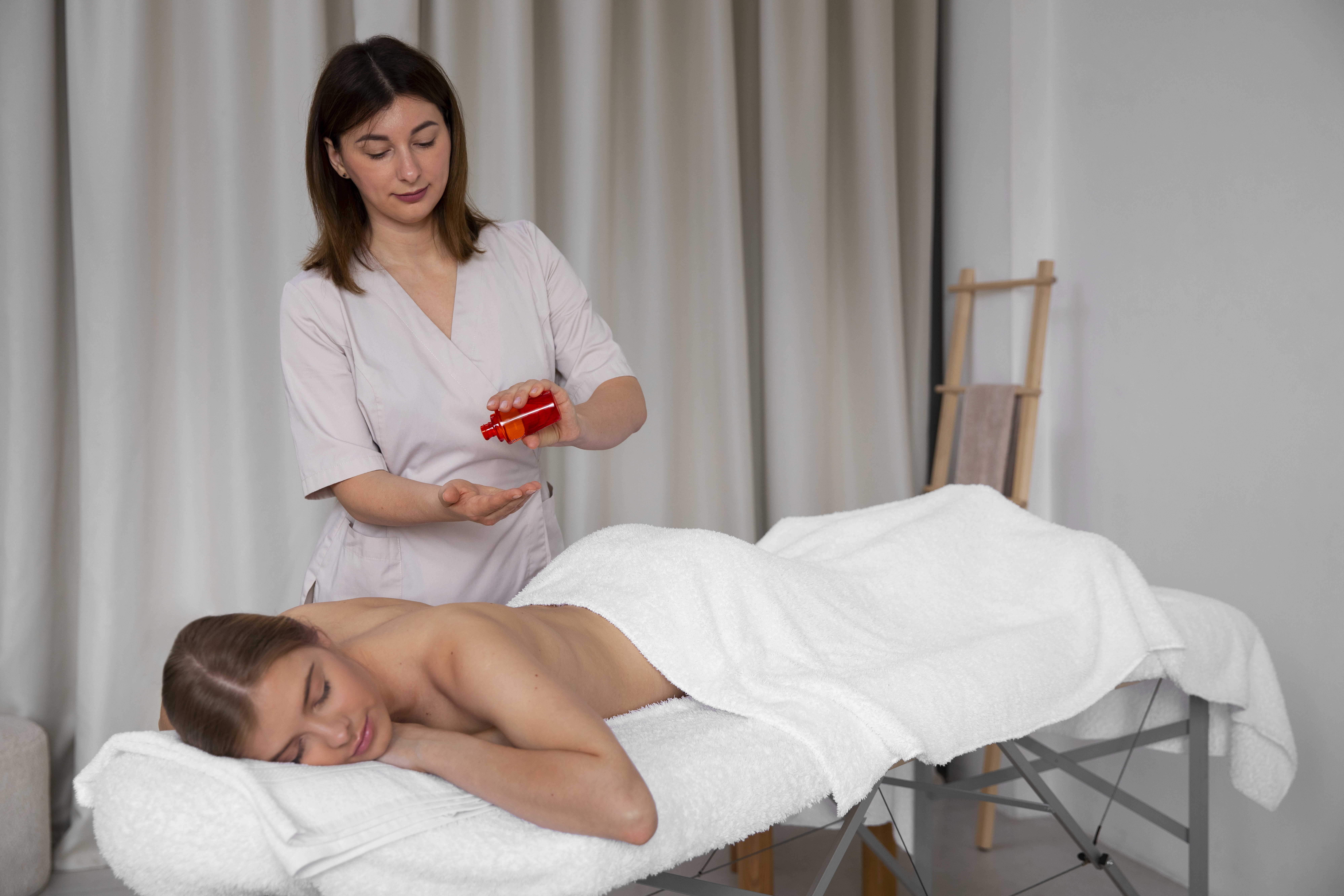
Effleurage Therapy
Effleurage Therapy uses long, gliding strokes with the palms and fingers to warm the tissue, boost circulation and lymph flow, and settle the nervous system into deep relaxation.
Explore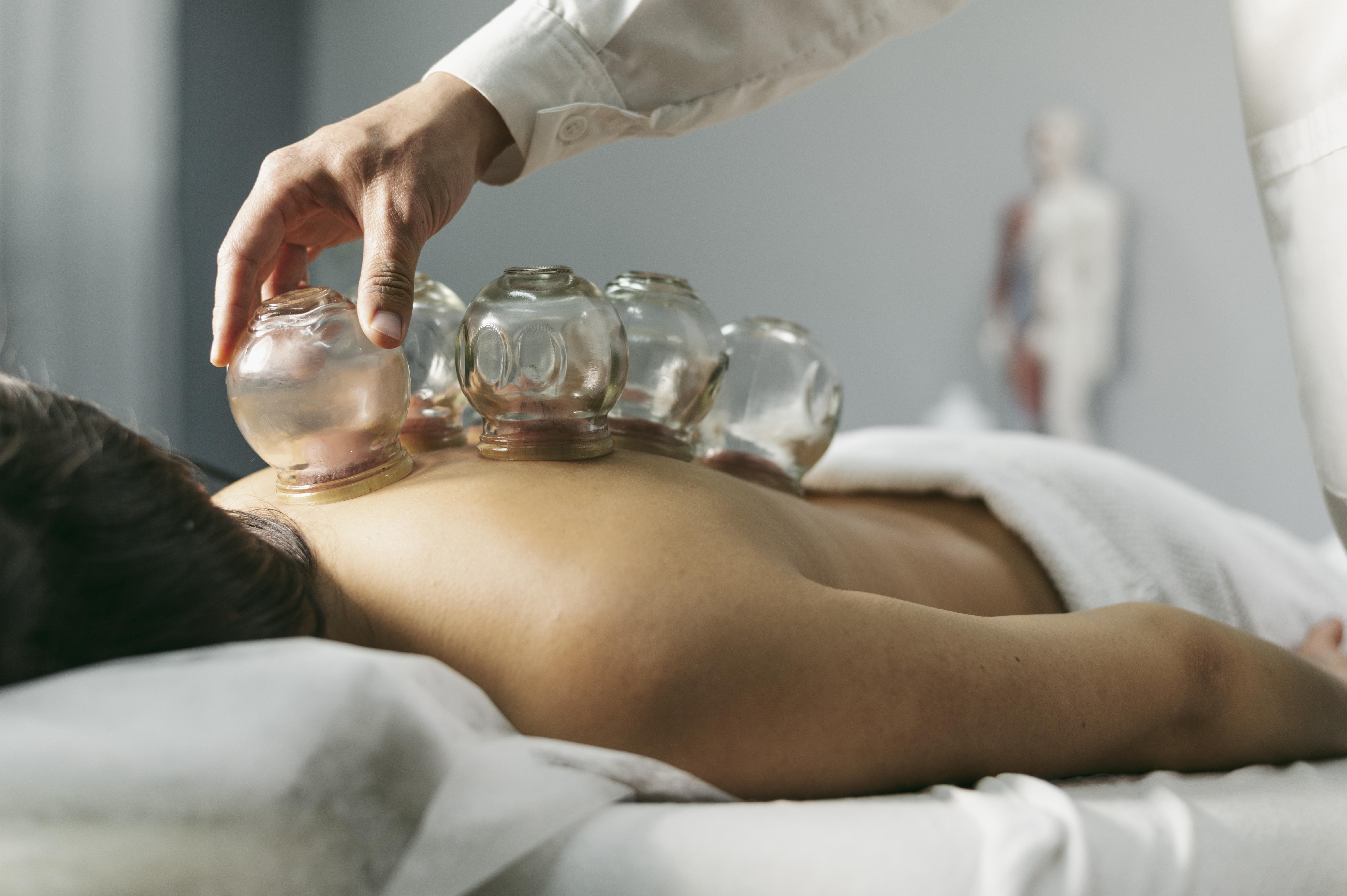
Manual & Structural
Petrissage Technique
Petrissage uses rhythmic kneading, lifting, and rolling of the muscles to release deep-seated tension, boost circulation, and help tired tissue recover — the classic massage stroke that works below the surface.
Explore
Elemental & Nature
Immersion in Water
Immersion in Water therapy submerges the body in warm or cool water, using buoyancy, temperature, and gentle pressure to ease joints, relax muscles, and support natural healing and circulation.
ExploreExperience Lymph Drainage at Thangajam Munril
Sessions are held at Thangajam Munril, our multidisciplinary centre in Dindigul, conducted by ALMAYA Coz Raja.