Pressure & Point Therapy
Integrating Traditional Tamil Vital Points Therapy
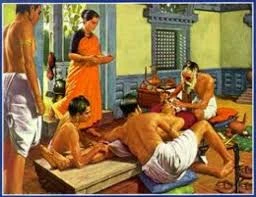
Rooted in the Tamil Siddha tradition, this therapy works gently on varma points — vital junctions where nerves, muscles, and energy pathways meet — to release tension, restore energy flow, and support the body's own healing.
- Session length
- 30–45 min
- Typical course
- 6–10 typical
- Intensity
- Gentle
- Suitable for
- Most adults seeking relief from tension, fatigue, or nervous imbalance; techniques are adapted to age and condition
How it helps
- Eases muscular tension and everyday aches through precise point work
- Calms the nervous system and reduces stress
- Supports healthy circulation and the body's natural detox processes
- Helps restore energy flow and reduce fatigue
- Encourages better sleep and mental clarity
- Supports overall immunity and resilience
Often chosen for
Tap a condition to see the full condition guide.
What is Traditional Tamil Vital Points Therapy?
This therapy comes from the Tamil Siddha tradition of South India, one of the world's oldest continuous systems of healing. At its heart are the varma points — vital locations on the body where nerves, muscles, joints, and subtle energy pathways meet. The tradition holds that when the flow through these junctions is disturbed, the result can be pain, stiffness, low energy, or emotional unrest.
In a KiLiK session, these classical point maps are integrated with modern manual-therapy practice: the therapist uses them as a precise guide for where gentle work will do the most good.
How it works
Each varma point is stimulated with careful finger or thumb pressure, light taps, or small circular movements — always gentle, never forceful. Working a point is understood to do two things at once: physically, it relaxes the tissue around a nerve-rich junction and encourages circulation; energetically, it clears the blockage so vital energy can move freely again. Because the points connect along pathways, releasing one often eases tension in areas some distance away.
What a session feels like
The touch is lighter than most massage. You remain clothed and comfortable while the therapist moves methodically from point to point, pausing at each. People commonly notice warmth spreading from a worked point, a slow unwinding of tension, and by the end a deep, quiet calm. Over a course of sessions, the aim is steadier energy, easier movement, better sleep, and a nervous system that recovers from stress more readily.
What a session looks like
- 1
Assessment and point selection
Your therapist observes posture, movement, and areas of tenderness, then selects the varma points most relevant to your condition from the traditional Tamil point maps.
- 2
Gentle stimulation of vital points
Each chosen point is stimulated with measured finger or thumb pressure — sometimes a light tap or circular movement — held only as long as the tradition prescribes for that point.
- 3
Releasing connected pathways
Because varma points sit where nerves, vessels, and muscles converge, the therapist works along the connected pathways with soothing strokes to spread the release through the whole region.
- 4
Settling and integration
The session ends with a few quiet minutes of rest so the nervous system can absorb the work. Many people describe a feeling of warmth, lightness, and deep calm.
Integrating Traditional Tamil Vital Points Therapy — common questions
What are varma (vital) points?+−
Varma points are specific locations described in the Tamil Siddha tradition where nerves, muscles, blood vessels, and energy pathways intersect. Stimulating them gently is believed to release blockages, relax tissue, and restore the healthy flow of energy through the body.
Is this the same as the martial art varma kalai?+−
They share the same point maps, but the therapeutic branch is entirely different in intent and touch. In therapy, points are stimulated with gentle, precise pressure to relax and heal — nothing forceful is ever applied.
What might I feel after a session?+−
Most people feel relaxed, warm, and noticeably looser. Some feel pleasantly tired for a few hours as the body settles. Benefits such as better sleep and steadier energy usually build over a course of sessions.
Related therapies
Energy & Traditional
Ancient Tamil Naturopathy
Rooted in ancient Tamil Siddha practice, this therapy uses customized herbs, early-morning sunlight, and seasonal food discipline to cleanse the body, steady the mind, and restore natural balance.
Explore
Energy & Traditional
Marma Immune Waves
Marma Immune Waves combines Ayurvedic marma-point therapy with wave-like rhythmic stimulation, pairing gentle movement and breath to awaken the body's energy points and strengthen its natural defences.
Explore
Pressure & Point Therapy
Acupressure
Acupressure uses firm, targeted finger pressure on specific points of the body to ease pain, calm stress, and restore healthy energy flow — the benefits of acupuncture, without needles.
ExploreExperience Integrating Traditional Tamil Vital Points Therapy at Thangajam Munril
Sessions are held at Thangajam Munril, our multidisciplinary centre in Dindigul, conducted by ALMAYA Coz Raja.