Energy & Traditional
Qigong Energy Healing Therapy
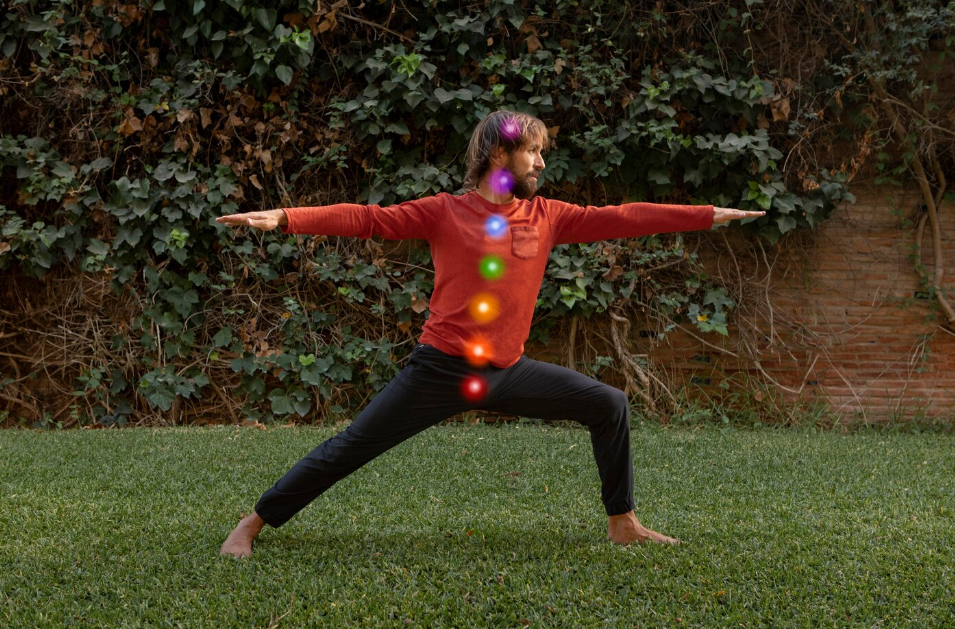
Qigong Energy Healing Therapy blends slow, mindful movement, deep breathing, and focused intention to cultivate the body's vital energy — calming the nervous system, easing tension, and restoring a settled sense of balance.
- Session length
- 30–45 min
- Typical course
- 6–10 typical
- Intensity
- Gentle
- Suitable for
- Nearly all ages and fitness levels — movements are slow, low-impact, and easily adapted for seated practice
How it helps
- Calms the nervous system and reduces day-to-day stress
- Builds steady energy and eases persistent fatigue
- Improves balance, posture, and gentle flexibility
- Deepens the breath and quiets a busy mind
- Supports better sleep and a more even mood
- Cultivates a practice you can continue on your own at home
Often chosen for
Tap a condition to see the full condition guide.
What is Qigong Energy Healing Therapy?
Qigong (pronounced "chee-gong") is an ancient Chinese practice whose name translates simply as "energy work." It combines three things — slow, flowing movement, deep rhythmic breathing, and focused, calm attention — into a single practice designed to cultivate and balance the body's vital energy, known as Qi.
In a KiLiK session, Qigong is taught and guided one-to-one: your practitioner leads you through the movements and breathing, and may add gentle energy-balancing work to help clear areas that feel blocked, heavy, or depleted.
How it works
Traditional Chinese Medicine describes Qi flowing through the body along channels called meridians. Stress, poor breathing habits, long hours of sitting, and illness are all thought to disturb that flow, leaving some areas congested and others drained. Qigong addresses this from the inside: slow movement opens the joints and encourages circulation, deep breathing settles the nervous system, and sustained attention draws energy to where it is needed.
Modern research offers a complementary view — the combination of gentle exercise, breath regulation, and meditative focus reliably shifts the body out of its stress response, which is why regular practice is associated with lower tension, steadier mood, and better sleep.
What a session feels like
Expect something slower and quieter than exercise, and more active than massage. You remain clothed and on your feet (or seated) for most of the session, repeating simple flowing sequences while your practitioner refines your posture and breathing. Most people describe a distinctive warm, tingling calm by the end — alert but deeply settled. The movements you learn become your own daily tool, and a few minutes of home practice between sessions steadily deepens the benefit.
What a session looks like
- 1
Settling and grounding
The session opens with quiet standing or seated posture work, letting the breath slow and the body's weight settle — the foundation every Qigong practice is built on.
- 2
Gentle flowing movements
You are guided through slow, repeated movement sequences that coordinate with the breath, gently opening the joints and encouraging energy — Qi — to circulate freely.
- 3
Breath and intention work
Specific breathing patterns and focused attention are layered onto the movement, directing awareness to areas of tension or depletion in the body.
- 4
Energy balancing
Your practitioner may use light hands-on or hands-near techniques to help clear areas where energy feels blocked or stagnant.
- 5
Quiet integration
The session closes in stillness, allowing the calm, warm, settled feeling that Qigong produces to fully absorb before you return to your day.
Qigong Energy Healing Therapy — common questions
What exactly is Qi?+−
In Chinese tradition, Qi is the vital energy that flows through the body along channels called meridians. When it flows freely you feel well and resilient; when it is blocked or depleted, tension, fatigue, and low mood tend to follow. Qigong literally means "energy work" — cultivating that flow deliberately.
Do I need to be fit or flexible to practise Qigong?+−
Not at all. Movements are slow, gentle, and repeated, with no jumping, straining, or deep stretching. Almost everything can be adapted for seated practice, which makes Qigong suitable for older adults and those recovering from illness.
Will I learn exercises I can do at home?+−
Yes — that is one of Qigong's greatest strengths. Your practitioner teaches you short sequences to repeat daily, and a few minutes of regular home practice is where much of the lasting benefit comes from.
Related therapies
Movement & Rehabilitation
Tai Chi Physical Therapy
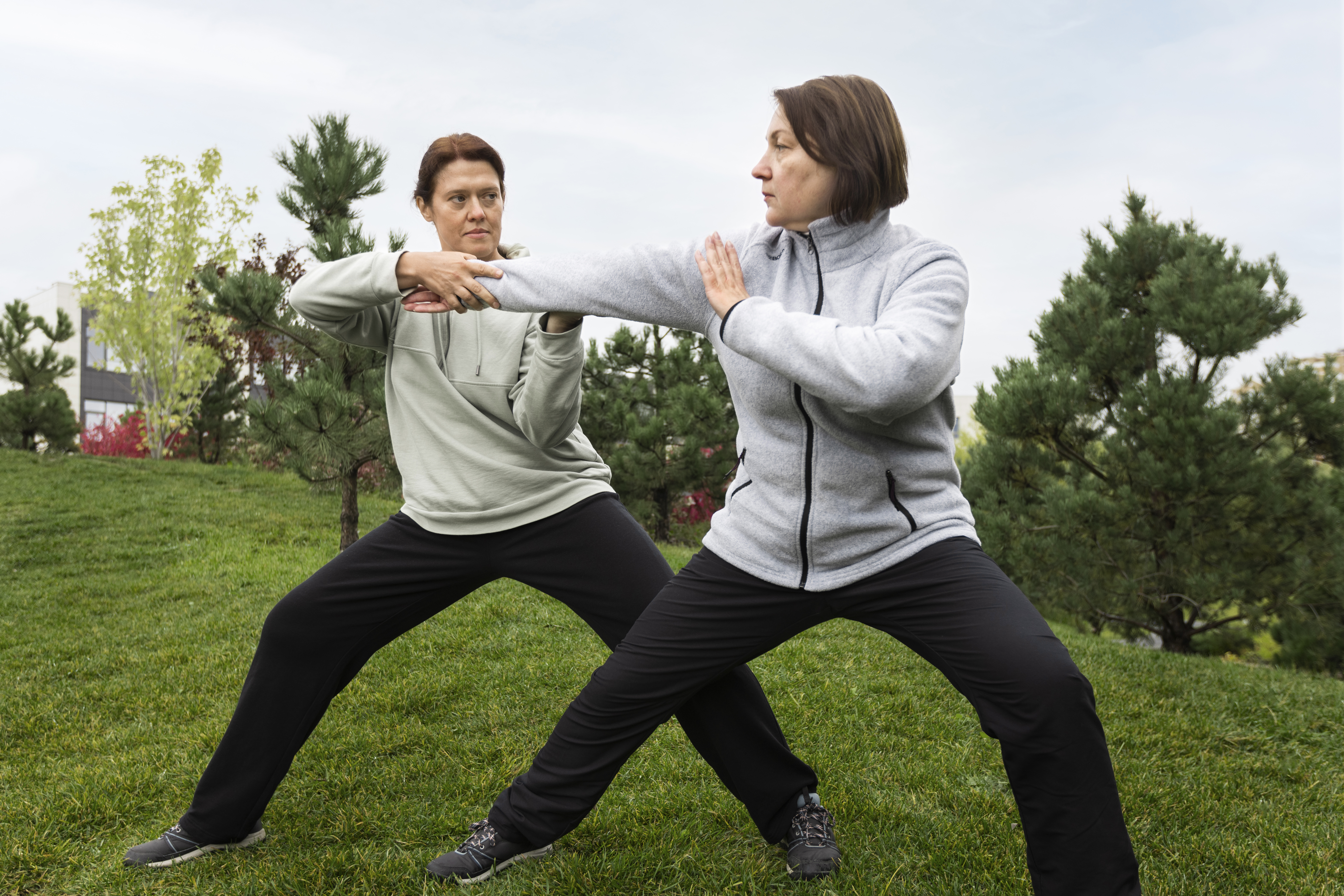
Tai Chi Physical Therapy blends the slow, flowing movements of Tai Chi with guided rehabilitation, building balance, joint strength, and calm focus through gentle practice that almost anyone can do.
Explore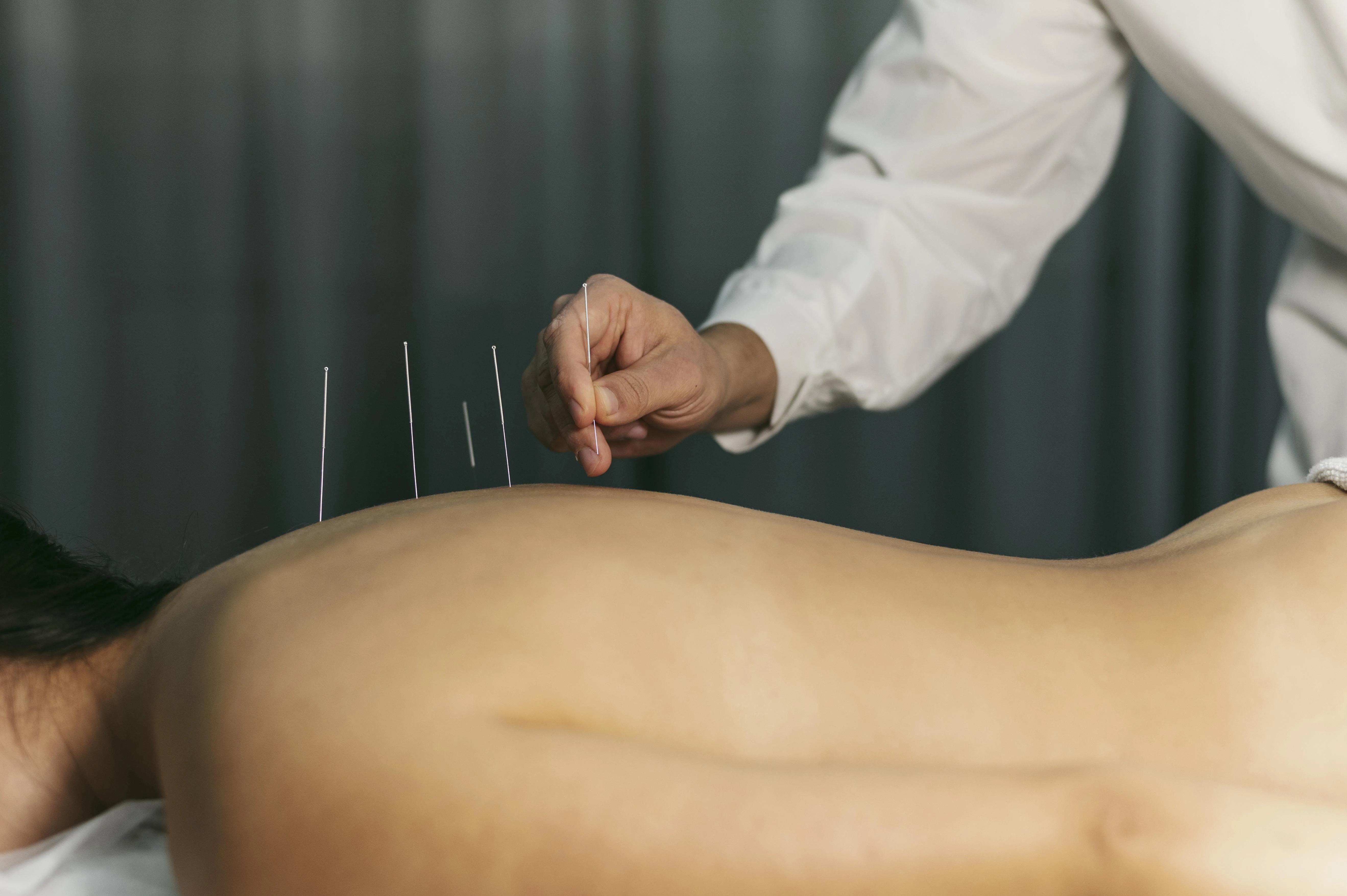
Energy & Traditional
Chinese Meridian Therapy
Rooted in Traditional Chinese Medicine, Chinese Meridian Therapy balances the body's energy pathways — the meridians — to relieve pain and fatigue and restore natural vitality.
Explore
Energy & Traditional
Marma Immune Waves
Marma Immune Waves combines Ayurvedic marma-point therapy with wave-like rhythmic stimulation, pairing gentle movement and breath to awaken the body's energy points and strengthen its natural defences.
ExploreExperience Qigong Energy Healing Therapy at Thangajam Munril
Sessions are held at Thangajam Munril, our multidisciplinary centre in Dindigul, conducted by ALMAYA Coz Raja.